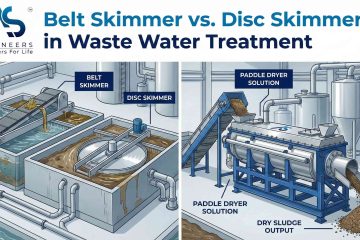
A slurry dryer machine removes moisture from high-water-content slurry, sludge, paste, wet cake or filter cake and converts it into a drier, lighter and easier-to-handle solid. For many ETP, STP, chemical, pharmaceutical, food, pigment, paper, mining and wastewater applications, the real selection question is not only “Which dryer is available?” It is “Which dryer can handle my feed behaviour, moisture load, heating medium, vapour handling and disposal target safely?”
At AS Engineers, I treat slurry drying as a process selection problem first and a machine purchase second. The right dryer depends on feed moisture, solids content, viscosity, stickiness, abrasiveness, corrosiveness, heat sensitivity, final moisture target, available utilities and downstream disposal or reuse plan.
What is a slurry dryer machine?
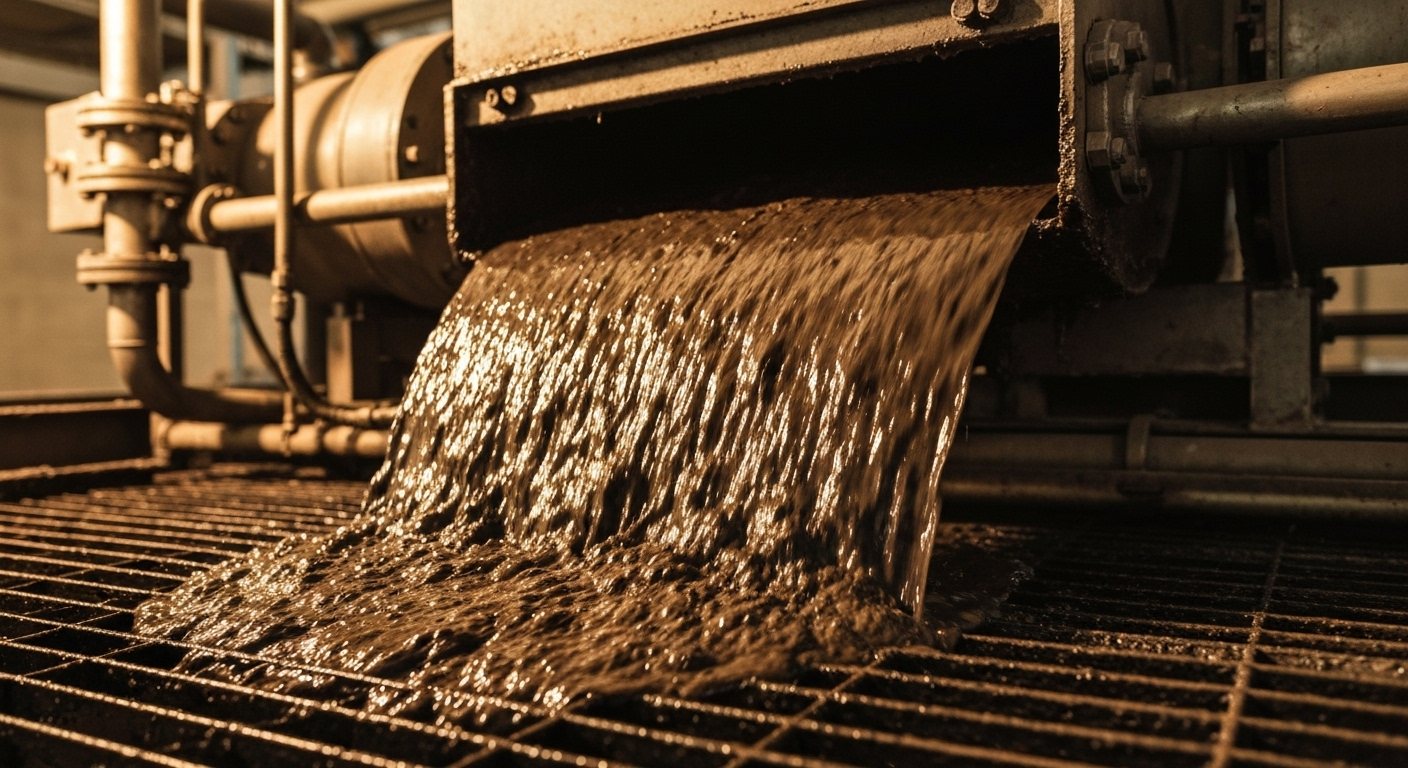
A slurry dryer machine is industrial drying equipment used to evaporate water or solvent from a solid-liquid mixture. The feed may be pumpable slurry, thick sludge, filter-press cake, centrifuge cake, sticky paste, wet powder or semi-solid waste.
In wastewater and industrial plants, slurry drying is commonly used after dewatering. Dewatering equipment such as a filter press, centrifuge, screw press or belt press removes free water, but the remaining wet cake can still contain high moisture. A thermal dryer then reduces moisture further so the material becomes easier to store, convey, transport, dispose, co-process or reuse where permitted.
For a deeper treatment-stage view, connect this page with the guide on sludge dewatering techniques and the guide on thermal sludge drying systems.
Slurry, sludge and wet cake: what is the difference?
| Term | Practical meaning | Typical plant source | Drying challenge |
|---|---|---|---|
| Slurry | Solid particles suspended in liquid, often pumpable | Chemical process, mining, food, pigments, wastewater | Settling, variable solids, viscosity |
| Sludge | Semi-solid residue from wastewater, ETP, STP or process treatment | ETP, STP, CETP, refinery, paper, textile, pharma | Odour, stickiness, disposal cost, hygiene |
| Wet cake / filter cake | Dewatered solids after filter press, centrifuge or screw press | Dewatering section | Sticky cake, lump formation, uneven moisture |
| Paste | Thick, non-free-flowing material | Chemical, pigment, pharma, food, waste processing | Wall buildup, poor mixing, difficult discharge |
| Granular wet solids | Moist granules or crystals | Chemical, mineral, food, fertilizer | Dust control, attrition, uniform final moisture |
A slurry dryer machine should be selected after understanding which of these behaviours your material shows. A pumpable slurry and a sticky filter cake may need very different feeding, agitation and discharge arrangements.
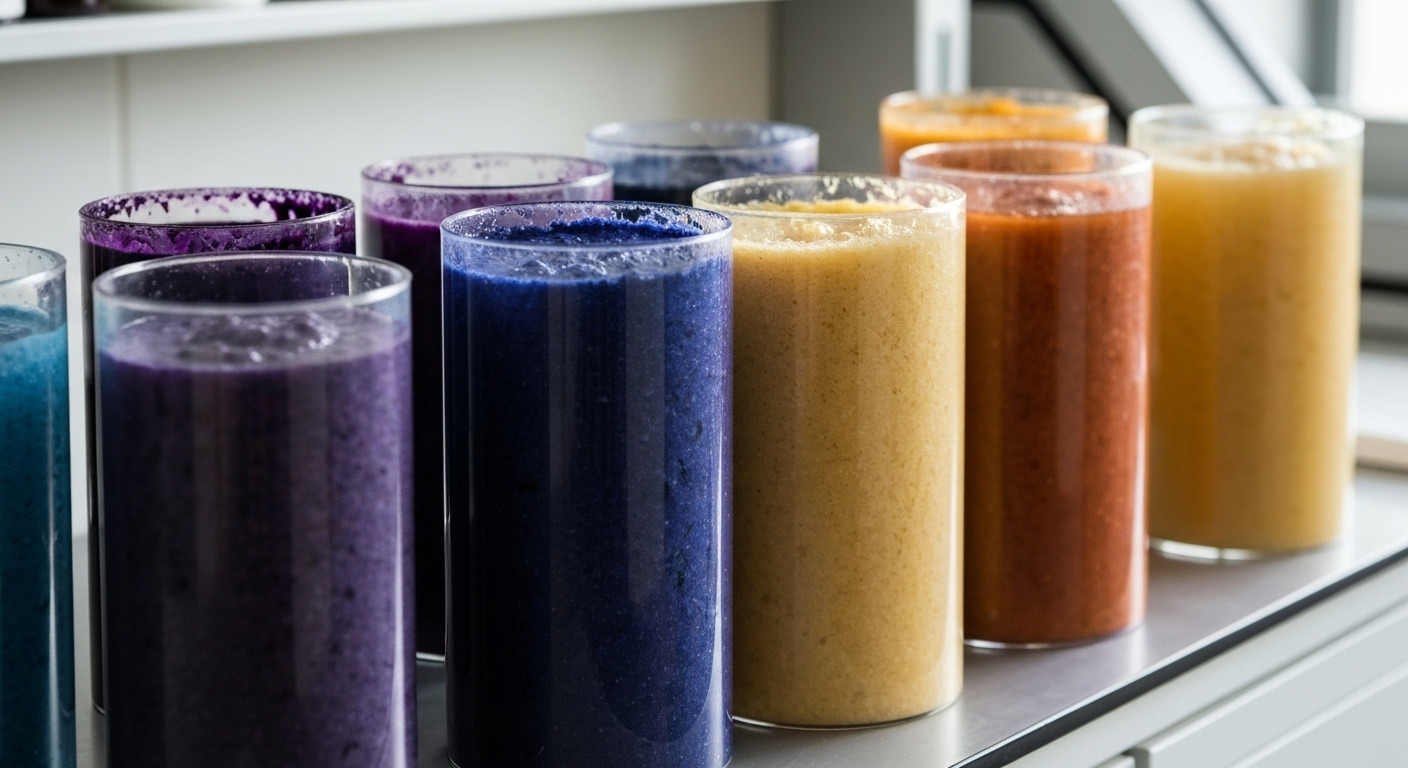
Why industries dry slurry and sludge
Drying slurry is usually done for one or more practical reasons:
| Plant objective | What drying helps improve |
|---|---|
| Lower disposal load | Less water means lower weight and volume for handling |
| Easier transport | Drier solids are easier to load, bag, convey or send to authorised disposal |
| Better hygiene | Reduced wet sludge storage improves housekeeping and odour control |
| Resource recovery | Some dried materials may be usable as fuel, cement input, brick input or fertilizer, subject to composition and approvals |
| Process reuse | Some products need controlled final moisture for reuse or sale |
| ZLD support | Slurry drying can support reject handling in ZLD and evaporation systems |
| Safer storage | Drier material may reduce leakage, dripping and uncontrolled wet sludge pits |
For disposal-focused plants, also review industrial sludge disposal and ETP sludge challenges.
How a slurry dryer machine works
Most slurry dryer systems follow a sequence of feeding, heating, evaporation, vapour handling and product discharge.
| Step | What happens | Buyer-side check |
|---|---|---|
| Feed preparation | Slurry, sludge or cake is collected in a feed hopper, silo, pump system or screw feeder | Is the feed pumpable, lumpy, sticky or bridge-forming? |
| Controlled feeding | Material is fed into the dryer at a controlled rate | Can the feed system handle viscosity and lumps? |
| Heat transfer | Steam, thermal oil, hot water or another heating source transfers heat to the material | Is heat direct or indirect? What temperature is available? |
| Mixing and shearing | Internal paddles, agitators or drum motion expose wet material to heat | Will the machine prevent wet pockets and buildup? |
| Evaporation | Moisture converts into vapour | Is vapour water, solvent or mixed gas? |
| Vapour handling | Vapour, fines and odour are routed to cyclone, scrubber, condenser, bag filter or chimney as required | What pollution-control or solvent-recovery system is needed? |
| Product discharge | Dried solids discharge through screw conveyor, rotary valve, bagging system, silo or truck loading | Is the final product powdery, granular, cake-like or dusty? |
A dryer should never be selected only from feed quantity. The evaporation load, final moisture target and vapour-handling requirement are equally important.
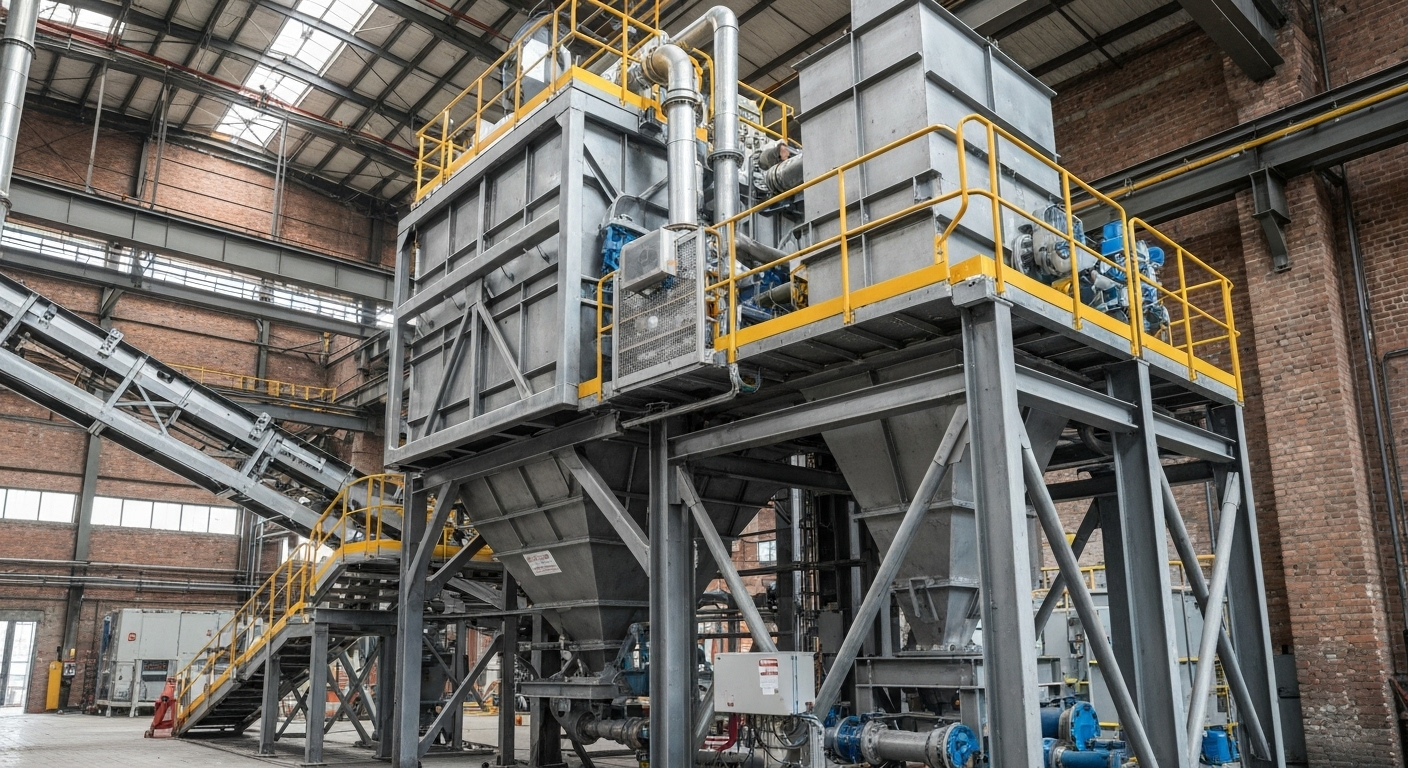
Why paddle dryers are often preferred for sticky slurry
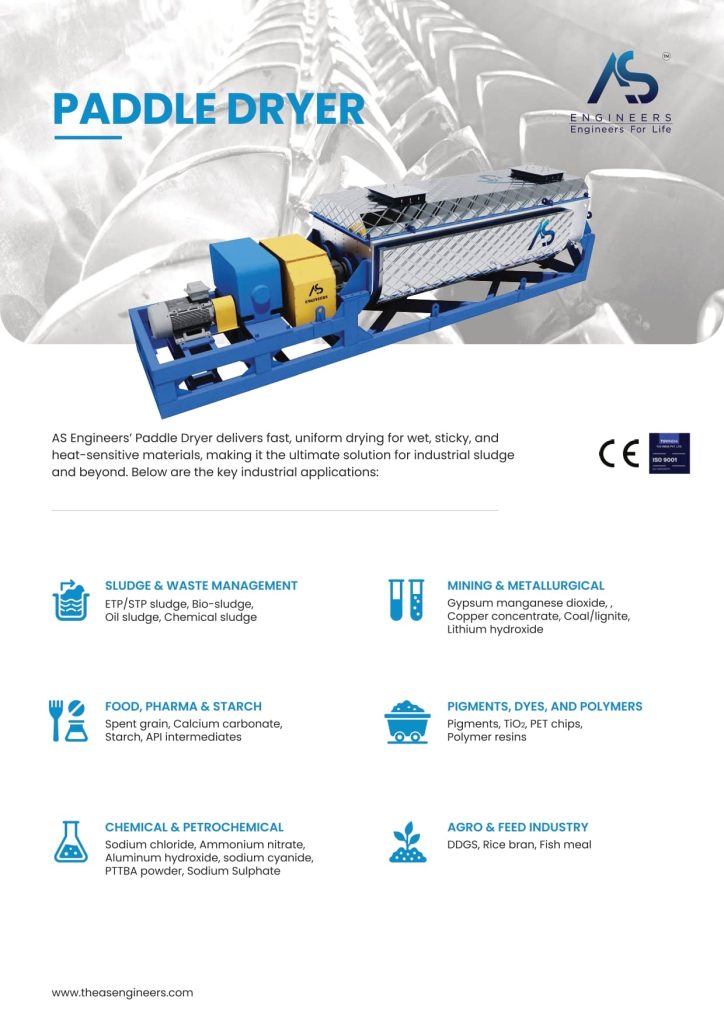
For sticky slurry, sludge, paste and wet cake, a paddle dryer is often a strong fit because it uses indirect heat transfer and internal agitation.
In an AS Engineers paddle dryer, heat is transferred through hollow shafts, paddles and jacketed surfaces. Wedge-shaped paddles mix and shear the feed while also helping prevent buildup. The dual counter-rotating shaft design improves mixing and heat transfer, while the enclosed design helps control vapour and fines when connected with the correct vapour-handling system.
| Paddle dryer feature | Why it matters for slurry drying |
|---|---|
| Indirect heating | Heating medium does not directly contact the material |
| Hollow shafts and jacket | Large conductive heat-transfer area |
| Wedge/self-cleaning paddles | Helps reduce material buildup on heat-transfer surfaces |
| Low-speed, high-torque mixing | Better for sticky, heavy and viscous feed |
| Enclosed body | Supports vapour handling, odour control and solvent-management design |
| Compact footprint | Useful where sludge drying space is limited |
| Configurable MOC | CS, SS304, SS316, Duplex Steel or other alloys can be reviewed by duty |
| Configurable operation | Atmospheric, vacuum or pressurised operation can be reviewed by application |
For a deeper equipment-specific guide, use how to choose a sludge paddle dryer and paddle dryer configuration guide.
Types of slurry dryer machines
| Dryer type | Good fit | Limitations to check |
|---|---|---|
| Paddle dryer | Sticky slurry, sludge, wet cake, paste, filter cake, ETP/STP sludge, chemical sludge | Needs correct feed system, heating medium and vapour handling |
| Rotary dryer | Granular, less sticky solids, minerals, sand-like feed | Sticky sludge may adhere to shell or form lumps |
| Drum dryer | Thin liquid slurry or paste applied as film | Usually more suited to film drying, not heavy sludge loads |
| Belt dryer | Dewatered sludge spread on belt, lower temperature drying | Larger footprint, feed spreading and odour control need attention |
| Spray dryer | Pumpable liquid feed that must become powder quickly | Usually unsuitable for heavy, sticky, high-solids sludge |
| Thin film / ATFD | Concentrated slurry, viscous liquid, ZLD reject in some cases | Different mechanical design and cost structure |
| Solar dryer | Municipal sludge or biosolids in suitable climate and land conditions | Weather, land, residence time and odour control matter |
There is no universal “best” slurry dryer machine. Paddle dryers are often better for sticky and difficult slurry, but spray dryers, ATFDs, belt dryers or solar dryers may be better for other feed conditions.
When a slurry paddle dryer is a good fit
A paddle dryer should be considered when:
- The material is sticky, viscous, pasty or semi-solid.
- The feed comes from ETP, STP, CETP, chemical process, pigment process, pharma intermediate, food waste, paper sludge or mining slurry.
- The plant wants to reduce wet sludge transport and storage burden.
- The feed is difficult to dry by direct hot-air systems.
- The plant has steam, thermic fluid, hot water or suitable heating arrangement.
- Vapour, odour, fines or solvent need controlled handling.
- The buyer wants continuous operation with controlled discharge.
- Space is limited and a compact indirect dryer is preferred.
For broader application mapping, connect with sludge dryer machine applications.
When a slurry dryer may not be the right first step
A thermal slurry dryer may not be the right first step when:
| Situation | Better first action |
|---|---|
| Slurry has very low solids content | Consider thickening, settling, filtration or evaporation first |
| Feed contains stones, metal pieces or large foreign objects | Add screening and feed protection |
| Material has unknown hazardous composition | Test material and confirm regulatory route before drying |
| Feed contains flammable solvent | Review inerting, explosion protection, condenser and safety design with SME |
| Final use is fertilizer, fuel, brick or cement input | Confirm composition, approvals and buyer acceptance |
| Moisture data is not available | Run lab or pilot drying test before committing |
| Plant needs exact final moisture guarantee | Conduct material trial and engineering validation first |
This section is important because many wrong dryer purchases happen when the buyer shares only “tons per day” and not material behaviour.
Moisture calculation before selecting a slurry dryer
Before selecting capacity, calculate the water that must be evaporated.
Use this basic method:
Dry solids = Feed quantity × Solids percentage
Final output = Dry solids ÷ Final solids percentage
Water evaporated = Feed quantity – Final output
Example:
| Input | Value |
|---|---|
| Feed quantity | 10 TPD |
| Initial moisture | 80% |
| Initial solids | 20% |
| Dry solids | 2 TPD |
| Target final moisture | 20% |
| Target final solids | 80% |
| Final output | 2.5 TPD |
| Water evaporated | 7.5 TPD |
This is why a dryer cannot be sized only as “10 TPD feed.” The real duty is the water evaporation load, heating medium, residence time and material behaviour.
AS Engineers material also uses a practical waste-sludge example where wet sludge disposal load is reduced significantly after drying. Treat such examples as planning references only. Final output changes with actual feed solids, target moisture and material test results.
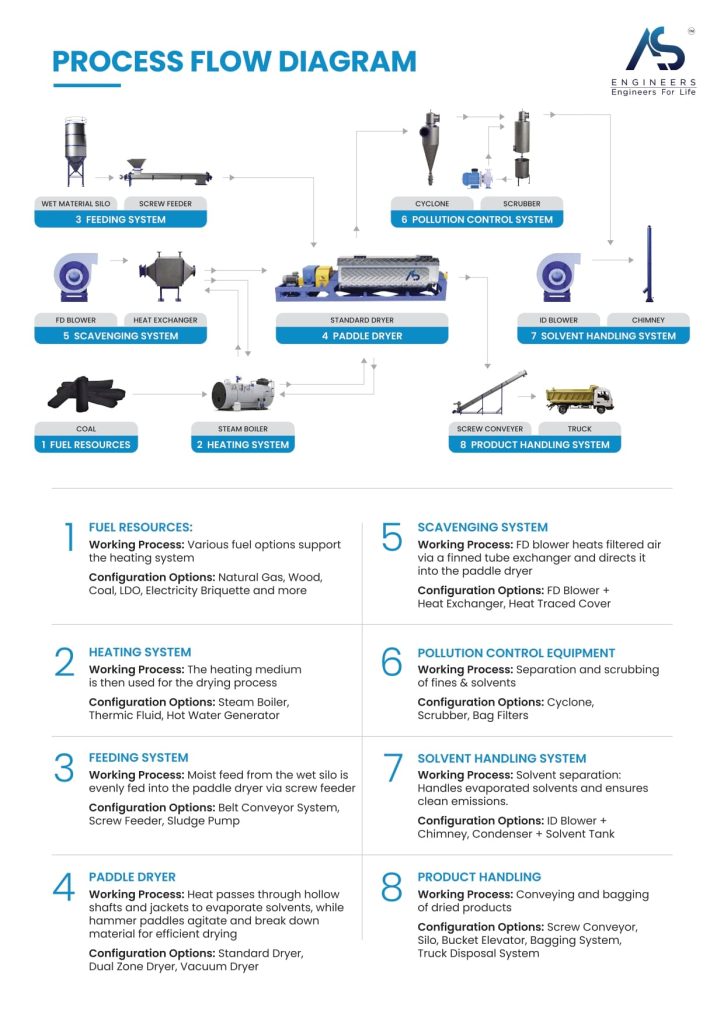
AS Engineers slurry dryer process flow
A complete slurry drying system may include more than the dryer body. Depending on the site, the system can include:
| System | Typical options |
|---|---|
| Fuel resource | Natural gas, wood, coal, LDO, electricity, briquette or other site-specific options |
| Heating system | Steam boiler, thermic fluid heater, hot water generator |
| Feeding system | Belt conveyor, screw feeder, sludge pump, feed hopper |
| Dryer body | Standard paddle dryer, dual-zone dryer or vacuum dryer |
| Scavenging system | FD blower with heat exchanger or heat-traced cover |
| Pollution-control system | Cyclone, scrubber, bag filter |
| Solvent/vapour management | ID blower with chimney, condenser with solvent tank, vapour line |
| Product handling | Screw conveyor, bagging system, silo, bucket elevator, truck loading |
For ZLD-related slurry, read zero liquid discharge and sludge handling before finalising the dryer boundary.
Industries and materials where slurry dryers are used
| Industry | Common feed examples |
|---|---|
| ETP/STP/CETP | Biological sludge, chemical sludge, mixed wastewater sludge |
| Chemical | Sodium salts, sulphates, process slurry, spent material, pigment slurry |
| Pharmaceutical | API intermediate wet cake, process residue, filter cake |
| Food and beverage | Starch slurry, spent grain, organic sludge, processing waste |
| Paper and pulp | Paper sludge and fibre-rich wet cake |
| Textile and dye | Dye sludge, pigment sludge, colour-bearing ETP sludge |
| Refinery and petrochemical | Oily sludge and refinery sludge, subject to safety and regulatory review |
| Mining and minerals | Tailings, concentrates, mineral slurry |
| Agriculture and livestock | Organic slurry, manure sludge, biosolids, subject to end-use approval |
For special waste streams, also review petroleum sludge treatment, bio sludge reuse, and agrochemical waste drying equipment.
Key selection factors for a slurry dryer machine
| Selection factor | Why it matters |
|---|---|
| Feed moisture | Determines evaporation load |
| Final moisture target | Affects residence time, heating duty and discharge design |
| Feed rate | Decides dryer size and feeding system |
| Hours of operation | Continuous and batch duties differ |
| Stickiness | Affects paddle design, cleaning and discharge |
| Viscosity | Affects pumpability and feed uniformity |
| Particle size | Affects heat transfer, abrasion and dust |
| Bulk density | Affects residence volume and discharge |
| pH and chlorides | Affects MOC selection |
| Solvent or water | Affects vapour handling and safety |
| Heat sensitivity | Affects temperature and vacuum requirement |
| Odour and VOCs | Affects scrubber, condenser and exhaust design |
| Dusting tendency | Affects bag filter, cyclone and enclosure design |
| Heating medium | Steam, thermic fluid or hot water availability changes design |
| Site space | Affects layout, access and maintenance |
| Utility availability | Fuel, power, steam, cooling water and compressed air matter |
| Regulatory route | Hazardous, non-hazardous and reuse routes must be checked |
Heating medium options
AS Engineers paddle dryer systems can be reviewed around different heating arrangements depending on plant utilities.
| Heating option | Where it may fit |
|---|---|
| Steam | Common in process plants with existing boiler capacity |
| Thermic fluid | Useful where higher controlled temperature is required |
| Hot water | Lower temperature applications |
| Electric heating | Smaller or special applications, site-specific review needed |
| Fuel-based heater | Plants using gas, wood, coal, LDO, briquette or other fuel sources |
Do not select heating medium only by fuel price. Check availability, control, safety, emissions, maintenance, heat transfer requirement and plant operating hours.
Material of construction selection
MOC should be selected from the actual slurry chemistry, not by assumption.
| Feed condition | MOC factor to review |
|---|---|
| Neutral sludge | CS may be reviewed if corrosion risk is low |
| Corrosive slurry | SS304, SS316 or higher alloy may be required |
| Chloride-bearing feed | Pitting and stress corrosion risk must be reviewed |
| Abrasive minerals | Wear-facing and hard-facing options may be required |
| Pharma/food applications | Surface finish, cleaning and contamination risk matter |
| Solvent-bearing slurry | Seals, vapour path and safety design need review |
AS Engineers source documents support CS, SS304, SS316, Duplex Steel and other alloy options as per requirement. Final MOC should be confirmed after material data review.
Slurry dryer cost drivers
A slurry dryer machine price cannot be estimated responsibly from tonnage alone. The cost depends on:
| Cost driver | Effect |
|---|---|
| Feed quantity and moisture | Decides evaporation load and dryer size |
| Final moisture target | Lower moisture usually increases duty |
| Dryer type | Paddle dryer, vacuum dryer, dual-zone dryer, ATFD or belt dryer differ |
| MOC | SS316, Duplex and alloys cost more than CS |
| Heating system | Existing steam vs new thermic fluid system changes scope |
| Vapour handling | Cyclone, scrubber, condenser, bag filter and ID fan affect cost |
| Feed system | Pump, screw feeder, hopper, conveyor and silo change cost |
| Product handling | Bagging, silo, truck loading and conveying add scope |
| Automation | PLC, HMI, interlocks and instrumentation affect price |
| Site services | Installation, commissioning, ducting, utilities and civil work matter |
| Trial requirement | Pilot test may be needed for difficult materials |
For more buyer-side cost context, use industrial sludge dryer machine price.
Maintenance checklist for slurry dryer reliability
A slurry dryer handles difficult material, so maintenance planning matters from day one.
| Area | What to check |
|---|---|
| Feed system | Hopper bridging, screw wear, pump choking, uneven feed |
| Shaft and paddles | Buildup, wear, mechanical damage, heat-transfer loss |
| Bearings and gearbox | Lubrication, temperature, vibration, alignment |
| Seals and covers | Leakage, vapour escape, odour control |
| Jacket and heating lines | Pressure, temperature, insulation, leakage |
| Rotary airlock and discharge | Blockage, dust leakage, product buildup |
| Cyclone/scrubber/bag filter | Pressure drop, fines load, slurry circulation, bag condition |
| ID fan and FD blower | Vibration, airflow, impeller buildup, motor load |
| Instruments | Temperature, pressure, level, interlocks and alarms |
| Housekeeping | Dried solids dust, access platform, safe cleaning space |
AS Engineers source material also supports shaft, gearbox, bearing replacement, repair, retrofitment and OEM spare-parts support. This should be positioned as service support, not as a guarantee of zero downtime.
RFQ checklist for a slurry dryer machine
Before asking for a quotation, prepare these details:
| RFQ input | Required detail |
|---|---|
| Material name | Sludge, slurry, wet cake, filter cake, paste or product name |
| Industry | ETP, STP, chemical, pharma, food, paper, mining, refinery, textile |
| Feed quantity | kg/hr or TPD |
| Operating hours | hours/day and days/month |
| Initial moisture | % moisture or % solids |
| Final moisture target | required % moisture |
| Feed temperature | °C |
| Bulk density | kg/m³ |
| Particle size | fine, granular, lumpy, fibrous or mixed |
| Stickiness | low, medium or high |
| pH and corrosiveness | lab report if available |
| Chloride content | important for MOC |
| Solvent content | water only or solvent-bearing |
| Hazardous classification | confirm if applicable |
| Heating medium available | steam, thermic fluid, hot water, electricity, fuel |
| Vapour treatment needed | chimney, scrubber, condenser, bag filter, odour control |
| Discharge method | bagging, screw conveyor, silo, truck loading |
| Site constraints | footprint, height, access, utilities |
| Trial requirement | lab/pilot test required or not |
If the material is new, sticky, solvent-bearing, hazardous, abrasive or expensive to handle, a pilot trial is strongly recommended before final sizing.
Common buyer mistakes
| Mistake | Risk |
|---|---|
| Selecting only by TPD | Wrong evaporation capacity |
| Ignoring initial and final moisture | Under-sized or over-sized dryer |
| Treating all sludge as same | Wrong MOC, feed system or vapour system |
| Ignoring stickiness | Buildup, choking and poor heat transfer |
| Skipping vapour handling | Odour, fines, condensation or safety issues |
| Choosing low price over duty fit | Higher operating trouble later |
| Ignoring maintenance access | Longer shutdowns |
| Not checking regulatory route | Disposal or reuse plan may fail |
| Not testing unknown material | Final moisture and discharge may not match expectation |
Conclusion
A slurry dryer machine is useful only when it is selected around real plant conditions. For sticky slurry, ETP sludge, wet cake, chemical sludge and difficult semi-solid waste, an indirect paddle dryer can be a strong choice because it combines conductive heat transfer, mixing, shearing, vapour control and compact layout.
Before final equipment selection, share feed quantity, initial moisture, final moisture target, material behaviour, pH, MOC requirement, heating medium, vapour-handling need and discharge plan. The AS Engineers team can review these inputs and suggest a slurry dryer or paddle dryer configuration based on actual duty conditions.
FAQs
What is a slurry dryer machine?
A slurry dryer machine is industrial equipment used to remove moisture from slurry, sludge, wet cake, filter cake or paste. It converts high-moisture material into a drier solid that is easier to handle, store, transport, dispose or reuse where permitted.
Which dryer is best for sticky slurry?
For sticky and viscous slurry, an indirect paddle dryer is often a strong fit because hollow shafts, jacket heating and self-cleaning wedge paddles help improve heat transfer and reduce buildup. The final choice still depends on moisture, chemistry, stickiness, heat sensitivity and vapour handling.
How do I calculate output after slurry drying?
Calculate dry solids first. For example, 10 TPD slurry at 80% moisture has 2 TPD dry solids. If the final target is 20% moisture, the final output is 2 ÷ 0.80 = 2.5 TPD. This calculation helps estimate water evaporation load.
Can one slurry dryer handle different materials?
One dryer may handle multiple materials only if the feed behaviour, moisture range, MOC, temperature, vapour handling and cleaning requirements are compatible. If the materials differ strongly, confirm through engineering review or pilot trial.
What information is needed for a slurry dryer quotation?
Share material name, feed quantity, initial moisture, final moisture target, operating hours, bulk density, particle size, stickiness, pH, chloride content, solvent content, heating medium, vapour treatment need, discharge method and site layout constraints.