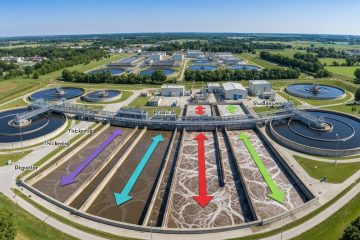
CPCB guidelines for hazardous waste disposal require industrial waste generators to classify hazardous waste correctly, obtain SPCB/PCC authorization, store and label it safely, transport it through the manifest system, maintain records, file annual returns, and dispose or utilize the waste only through authorized routes.
For ETP sludge and hazardous industrial sludge, a sludge dryer can help reduce moisture, weight, storage load, handling difficulty and transport burden. But drying does not automatically remove hazardous classification. Final disposal, recycling, co-processing or TSDF routing must still follow CPCB, SPCB/PCC and Hazardous and Other Wastes rules.
This guide is written for EHS heads, plant managers, ETP operators, ZLD teams, project engineers and purchase teams who handle industrial sludge and want a practical, plant-side understanding of CPCB hazardous waste disposal requirements.
Compliance note: This article is an engineering and buyer-awareness guide, not legal approval. Always confirm final classification, storage limit, disposal route, and authorization conditions with your State Pollution Control Board or Pollution Control Committee.
Quick Answer: What CPCB Expects From Hazardous Waste Generators
For most industrial plants, CPCB hazardous waste disposal is not only about sending waste to a TSDF. It is a complete management chain.
A generator should normally check:
| Compliance area | What the plant must control | Practical evidence |
|---|---|---|
| Waste identification | Correct hazardous waste category and source | Lab analysis, Schedule/category mapping, internal EHS record |
| Authorization | SPCB/PCC authorization before handling, storage, use, treatment or disposal | Valid authorization and consent conditions |
| Storage | Safe, labelled, compatible, covered storage | Storage register, labels, layout, containment, inspection records |
| Transport | Authorized transport with required documents | Manifest, transporter details, vehicle documentation |
| Disposal/utilization | Authorized TSDF, recycler, utilizer, co-processor or captive facility | Disposal receipts, manifest copies, passbook/logbook |
| Record keeping | Maintain prescribed records and annual returns | Form 3 records, Form 4 annual return |
| Accident reporting | Report accidents as required | Incident report, corrective action, Form 11 where applicable |
CPCB’s hazardous-waste section separates rules, technical guidelines, inventories, SOPs under Rule 9 and common HW TSDF references, so plants should not treat “CPCB compliance” as one generic checklist.
What Counts as Hazardous Waste?
Under the Hazardous and Other Wastes (Management and Transboundary Movement) Rules, hazardous waste includes waste that may create danger because of physical, chemical, biological, reactive, toxic, flammable, explosive or corrosive characteristics, or because it is listed in the applicable schedules.
For sludge-generating plants, this matters because ETP sludge is not judged only by appearance. Two sludge samples may look similar but behave differently because of:
- source industry
- chemicals used in production
- treatment chemicals used in ETP
- heavy metals
- salts and dissolved solids
- oil and grease
- solvents or organics
- pH and corrosivity
- toxicity and leachability
- moisture content and physical handling condition
That is why a plant should not decide disposal route only by visual inspection. Classification should be supported by source knowledge, applicable rule schedule, laboratory testing and SPCB/PCC guidance.
CPCB Disposal Hierarchy: What Should Be Tried Before Final Disposal?
The hazardous waste rules place responsibility on the occupier for environmentally sound management and follow a hierarchy: prevention, minimization, reuse, recycling, recovery, utilization including co-processing, and safe disposal.
For plant teams, this means the first question is not only “Where can we dump this sludge?” The better question is:
Can the waste be reduced, recovered, utilized, co-processed or safely disposed through an authorized route?
For ETP sludge, practical routes may include:
| Route | When it may apply | Important caution |
|---|---|---|
| Authorized TSDF disposal | Waste cannot be reused, recycled, recovered or co-processed safely | Use only authorized TSDF and maintain documentation |
| Authorized recycling/utilization | CPCB/SPCB approved use exists for that waste stream | Approval is source, process and end-use specific |
| Co-processing | Waste has suitable characteristics for cement kiln or similar approved route | Requires authorization and acceptance by approved facility |
| Captive treatment/disposal | Plant has approved facility and authorization | Must match consent and authorization conditions |
| Sludge drying before disposal | Moisture reduction improves handling and transport | Drying does not remove regulatory classification by itself |
Authorization: The First Practical Check
Any occupier engaged in generation, collection, reception, treatment, storage, transportation, use, recycling, recovery, pre-processing, co-processing, utilization, offering for sale, transfer or disposal of hazardous waste must apply for authorization from the State Pollution Control Board or Pollution Control Committee.
Before investing in disposal, drying, transport or utilization, the plant should check:
- current authorization validity
- permitted hazardous waste category
- permitted storage quantity
- approved disposal or utilization route
- allowed recycler, co-processor or TSDF
- consent-to-operate conditions
- site storage conditions
- emergency and accident reporting conditions
- whether any changed process has changed sludge characteristics
This is especially important for plants where production chemistry changes frequently, such as chemical, pharma, dye, pigment, textile, galvanizing, fertilizer, refinery, petrochemical and agrochemical units.
For wider sludge handling context, connect this page with the guide on hazardous sludge classification and management.
Storage, Packaging and Labelling
Hazardous waste storage is not only a housekeeping issue. Poor storage can create leachate, odor, secondary contamination, fire risk, worker exposure, transport rejection and regulatory non-compliance.
The rules refer to packaging and labelling requirements, including Form 8 for labelling, and transportation requirements with information to the transporter.
A plant-side storage checklist should include:
- covered storage area
- compatible containers or bags
- no mixing of incompatible wastes
- floor protection and spillage control
- leachate collection or containment where required
- clear hazardous waste label
- date-wise storage records
- quantity records
- access control
- PPE and emergency response readiness
- prevention of rainwater mixing
- prevention of fugitive dust after drying
For wet sludge, storage is usually harder because high moisture increases weight, smell, leachate risk and handling difficulty. This is where dewatering and drying can support better handling, but the storage and documentation requirements still remain.
Transport and Manifest: Why Form 10 Matters
Hazardous waste movement should be traceable. Under the rules, hazardous waste transportation is linked with packaging, labelling, transporter information and the manifest system. The manifest system uses Form 10 with multiple copies for generator, transporter, receiver and pollution control authorities.
This matters because improper transport can create three problems:
- waste is rejected by the receiving facility
- generator cannot prove lawful disposal
- plant remains exposed to regulatory and liability risk
Before dispatching hazardous sludge or dried hazardous sludge, the plant should confirm:
- correct waste category
- authorized destination
- transporter approval
- packaging and label condition
- vehicle suitability
- manifest completeness
- quantity consistency
- receipt confirmation from receiver
- record retention
For disposal facility selection, link this topic with TSDF site standards.
Records and Annual Returns
Authorized occupiers must maintain records and file returns as required. The rules refer to Form 3 for records and Form 4 annual return, with annual returns submitted by 30 June following the financial year.
For ETP and sludge teams, this means day-to-day records should not be left only to the final disposal vendor. The generator should maintain internal control over:
- daily sludge generation
- moisture condition
- dewatered or dried quantity
- storage quantity
- dispatch quantity
- transporter details
- disposal/utilization destination
- manifest copy tracking
- waste analysis records
- incident or spillage records
- Form 4 return data
A sludge dryer can change quantity, moisture and handling behavior. So the plant should maintain clear before-drying and after-drying records. This helps avoid confusion between wet sludge generation quantity and dried sludge dispatch quantity.
Where ETP Sludge Fits in CPCB Hazardous Waste Disposal
ETP sludge can be hazardous depending on the industrial process, chemicals handled, treatment chemistry and waste characteristics. It is common in chemical, pharma, textile, dye, electroplating, galvanizing, refinery, petrochemical, pesticide, fertilizer, paper and other industrial sectors.
CPCB SOPs under Rule 9 show that some ETP sludge streams can be considered for specific utilization routes, but these approvals are not universal. They are source, waste, process and end-use specific. For example, CPCB’s SOP for utilization of ETP sludge from galvanizing units in iron ore pellet manufacturing treats that source-specific ETP sludge as hazardous waste category 35.3 and requires authorized disposal when it is not utilized for approved resource recovery.
The same SOP also states that State Boards may authorize only when the waste source, utilization process and end-use match the SOP conditions.
So, the safe rule is:
Do not assume that one ETP sludge approval applies to another industry, another source, another process or another product.
For industry-specific sludge disposal planning, connect this article with industrial sludge disposal guidance and ETP sludge challenges and disposal solutions.
How Sludge Drying Supports Hazardous Waste Disposal
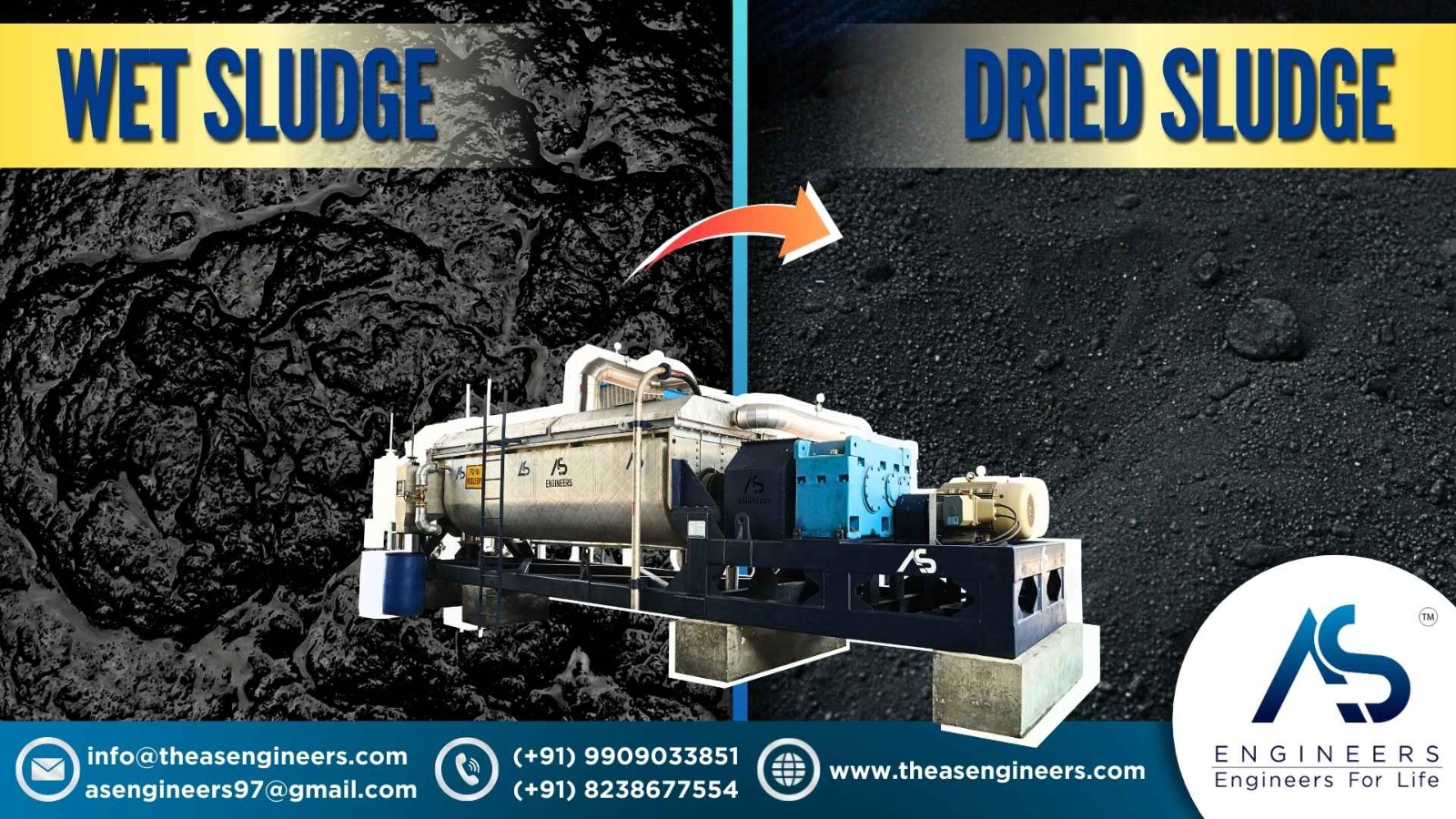
A sludge dryer does not replace CPCB compliance. But it can support compliant hazardous sludge handling by improving the physical condition of sludge before dispatch or utilization.
In many plants, wet sludge creates practical issues:
- higher transport weight
- higher storage load
- wet handling mess
- leachate risk
- odor concerns
- manual handling difficulty
- higher number of disposal trips
- inconsistent feed condition for downstream use
- poor bagging or truck loading behavior
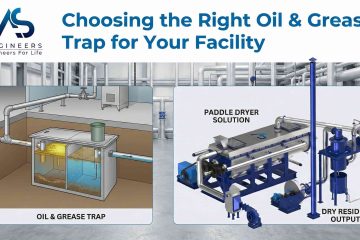
A paddle dryer or sludge dryer can help reduce moisture and convert wet sludge into a more manageable dried output, depending on the sludge chemistry, feed moisture, final moisture target, heat source, operating temperature, vapour handling and pollution-control arrangement.
AS Engineers’ sludge drying system documentation describes indirect heat transfer through hollow shafts and jacket, feeding options, scavenging, cyclone/scrubber/bag filter options, solvent/off-gas management and product handling systems. The AS Paddle Dryer flyer also shows the process flow from feeding and air heating to drying, solvent separation, scrubbing, solvent management and product discharge.
What Drying Can Help With
| Drying benefit | Practical plant value |
|---|---|
| Moisture reduction | Less wet weight and better handling |
| Volume and weight reduction | Lower transport and storage burden, depending on feed and final moisture |
| Better bagging/loading | Easier movement to authorized destination |
| Improved hygiene | Less wet sludge handling at site |
| More controlled dispatch | Better quantity measurement and documentation |
| Better suitability review | Dried sludge may be easier to evaluate for approved utilization routes |
For more details, use the supporting article on methods to reduce hazardous waste weight.
What Drying Cannot Do
| Wrong assumption | Correct position |
|---|---|
| Drying makes hazardous sludge non-hazardous | Not automatically. Classification depends on rule category and characteristics. |
| Drying removes need for authorization | No. Authorization and records remain required. |
| Dried sludge can be sold freely | Only if approved utilization/recycling route exists. |
| Dryer supplier can guarantee compliance | Compliance depends on waste, permit, route and authority approval. |
| One SOP applies to all ETP sludge | No. SOPs are source and end-use specific. |
Disposal Route Selection: TSDF, Utilization, Co-processing or Captive Route?
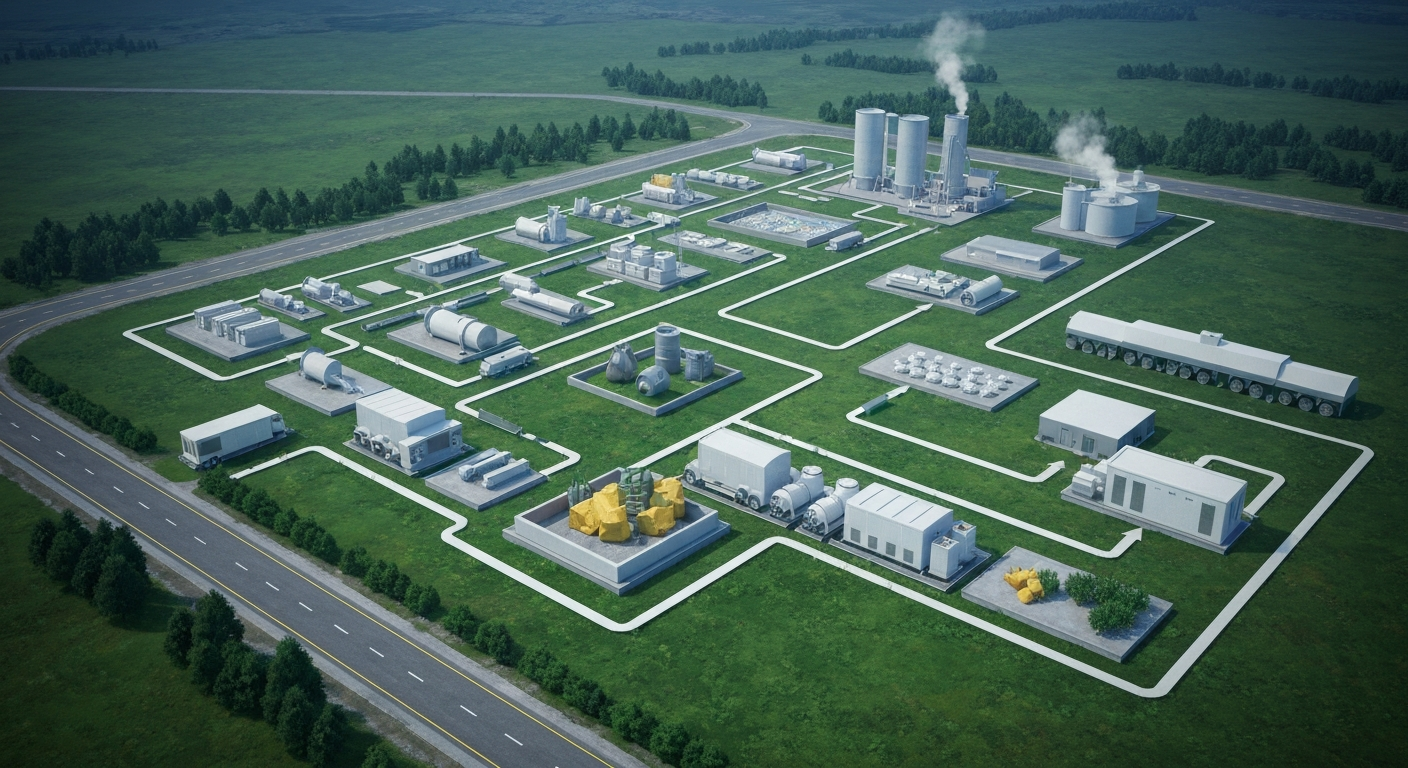
CPCB technical guidelines cover several hazardous-waste management areas including co-processing, common hazardous waste incineration, landfill criteria, TSDF performance evaluation, transportation, sampling and analysis.
For a plant, route selection should be based on a structured review:
| Question | Why it matters |
|---|---|
| What is the waste category? | Determines rule applicability and authorized route |
| What is the chemical composition? | Affects toxicity, corrosivity, metal content and utilization possibility |
| What is the moisture level? | Affects storage, transport, drying and disposal cost |
| Is there an approved SOP for utilization? | Required for specific Rule 9 utilization routes |
| Is the receiver authorized? | Generator must avoid unauthorized disposal |
| Is drying needed before dispatch? | Helps handling and reduces wet burden |
| Is off-gas treatment needed during drying? | Depends on volatile content, odor, dust and solvent risk |
| Can the plant maintain records? | Needed for audit, returns and traceability |
For thermal treatment planning, also connect readers to thermal sludge drying system selection and conductive paddle dryers for sludge treatment.
RFQ Inputs Before Selecting a Sludge Dryer for Hazardous or ETP Sludge
When I review a sludge dryer requirement, I do not start only with capacity. For hazardous or suspected hazardous sludge, the first step is to understand the waste, moisture, handling condition and required disposal or utilization route.
Before sending an RFQ for a sludge dryer, prepare these inputs:
| RFQ input | Why it is needed |
|---|---|
| Sludge source industry | Chemical, pharma, textile, galvanizing, refinery, food, paper, etc. |
| Waste category | Required for compliance and route planning |
| Feed moisture | Main input for heat load and dryer sizing |
| Final moisture target | Affects residence time and fuel requirement |
| Daily quantity | Needed for dryer capacity and operating hours |
| Sludge behavior | Sticky, pasty, fibrous, oily, granular, abrasive, corrosive |
| Chemical analysis | Required for MOC, vapour handling and disposal route |
| pH and corrosivity | Affects material of construction |
| Solvents or VOCs | Affects enclosure, condensation, scrubbing and safety design |
| Heating medium | Steam, thermic fluid, hot water or other site source |
| Off-gas treatment | Cyclone, scrubber, bag filter, condenser or chimney requirement |
| Product handling | Screw conveyor, bagging, silo, truck loading |
| Disposal destination | TSDF, recycler, co-processor or approved utilization route |
| Site utilities | Power, fuel, steam, compressed air, water, space |
| Compliance conditions | SPCB/PCC consent and authorization conditions |
For technical equipment selection, link this section to how to choose a sludge paddle dryer and paddle dryer configuration guide.
Common Mistakes in Hazardous Sludge Disposal
Treating all ETP sludge as the same
ETP sludge from a textile plant, galvanizing unit, chemical plant, pharma unit and refinery can have very different characteristics. Disposal route should not be copied from another industry without verification.
Sending wet sludge directly without checking drying economics
Wet sludge increases transport weight and storage burden. In many cases, dewatering and drying should be evaluated before long-distance disposal or approved utilization.
Assuming drying means compliance
Drying is an engineering step. Compliance still depends on classification, authorization, manifest, records and approved receiving facility.
Not checking Form 10 and receiver documents
Hazardous waste dispatch should be traceable. The plant should not depend only on verbal confirmation from the transporter.
Not matching utilization with CPCB SOP conditions
CPCB SOP-based utilization is specific. Same waste source, same utilization process and same end-use/product matter.
Ignoring vapour and off-gas during drying
Some sludge may release odor, vapour, volatile compounds or fine dust during drying. Dryer design should include suitable vapour handling, condensation, scrubbing, filtration or exhaust control based on actual sludge characteristics.
Buying a dryer without sludge testing
For hazardous or complex sludge, pilot testing and material evaluation can reduce risk before final dryer selection. AS Engineers’ documentation mentions pilot trial availability for evaluating dryer performance, process optimization, feasibility and issue identification.
Practical Compliance and Drying Checklist
Before finalizing hazardous sludge disposal or drying, use this checklist:
- Identify the sludge source and hazardous waste category.
- Check latest SPCB/PCC authorization.
- Confirm storage and labelling requirements.
- Maintain Form 3 records.
- Prepare Form 4 annual return data.
- Use manifest-based transport.
- Confirm authorized receiver before dispatch.
- Keep weighment and moisture records.
- Test sludge before dryer selection.
- Decide whether drying is for disposal cost reduction, handling improvement or approved utilization.
- Check if off-gas, condensate, scrubber liquor or dust from drying creates additional waste streams.
- Do not market or reuse dried sludge unless the route is approved.
- Keep copies of authorization, manifest, invoices, disposal receipts and analysis reports.
FAQs
What are CPCB guidelines for hazardous waste disposal?
CPCB hazardous waste guidance works along with the Hazardous and Other Wastes Rules. In practical terms, generators must identify the waste, obtain authorization, store and label it safely, transport it with proper documents, maintain records and send it only to authorized disposal, recycling, co-processing, utilization or TSDF facilities.
Is ETP sludge always hazardous waste?
No. ETP sludge classification depends on the source industry, chemicals, treatment process and waste characteristics. Some ETP sludge streams are hazardous under applicable schedules or CPCB/SPCB conditions. Plants should verify classification through rule mapping, analysis and SPCB/PCC guidance.
Can a sludge dryer make hazardous sludge non-hazardous?
Not automatically. A sludge dryer mainly reduces moisture and improves handling. Hazardous classification depends on the waste’s legal category and characteristics, not only its wet or dry condition.
What documents are important for hazardous waste disposal?
Important documents may include SPCB/PCC authorization, consent conditions, waste analysis, storage records, Form 3 records, Form 4 annual return, Form 10 manifest, transporter details and disposal or utilization receipts from authorized facilities.
When should a plant consider a sludge dryer before TSDF disposal?
A plant should consider a sludge dryer when high sludge moisture increases storage burden, transport weight, handling difficulty or disposal logistics. The final decision should consider feed moisture, final moisture target, sludge chemistry, fuel cost, off-gas treatment, authorized disposal route and payback boundary.
Conclusion
CPCB guidelines for hazardous waste disposal are not only a paperwork requirement. They control how hazardous waste is identified, authorized, stored, labelled, transported, recorded, treated, utilized and finally disposed.
For ETP sludge and industrial hazardous sludge, drying can be a strong engineering step because it can reduce moisture, improve handling and make dispatch more controlled. But it should be used with the correct compliance mindset. A sludge dryer supports the disposal chain. It does not replace authorization, manifest, records, TSDF approval or source-specific utilization conditions.
Before selecting a sludge dryer, share the sludge source, waste category, analysis, feed moisture, final moisture target, daily quantity, heating medium, vapour handling requirement, disposal route and SPCB/PCC conditions. These inputs help AS Engineers review the requirement from both drying performance and plant-side handling perspectives.