A CETP, or Common Effluent Treatment Plant, is a shared industrial wastewater treatment facility that collects effluent from multiple units in one industrial cluster and treats it before reuse or discharge as per applicable norms. It is mainly useful where individual industries, especially small and medium units, may not have enough space, budget, manpower, or treatment load to operate separate ETPs efficiently.
For plant teams, CETP performance is not only about tanks and chemicals. It depends on inlet control, equalization, biological stability, sludge handling, monitoring, and coordination between member industries.
What is a CETP?
A Common Effluent Treatment Plant is a centralized treatment facility used by a group of industries. Instead of every factory building and operating a complete effluent treatment system independently, member industries send their wastewater to one common plant.
A CETP usually treats mixed industrial effluent through physical, chemical, biological, and polishing stages. The exact design depends on wastewater type, flow variation, organic load, suspended solids, oil and grease, heavy metals, salts, pH, and regulatory requirements.
In simple terms:
| Term | Meaning |
|---|---|
| ETP | Effluent Treatment Plant for one industry or facility |
| CETP | Common Effluent Treatment Plant for multiple industries in a cluster |
| Effluent | Wastewater generated from industrial processes |
| Sludge | Semi-solid residue generated during treatment |
| Treated water | Water after treatment, subject to reuse or discharge permission |
For a broader process-level understanding, read our guide on industrial effluent treatment.
Why CETPs are used in industrial clusters
CETPs are commonly used in chemical, textile, dyeing, pharma, engineering, food processing, and mixed industrial estates where many units discharge wastewater.
They are useful because they allow shared treatment infrastructure, centralized monitoring, professional operation, and better sludge management compared with multiple under-maintained small treatment plants.
| CETP benefit | Practical meaning for industries |
|---|---|
| Shared infrastructure | Industries avoid building full treatment systems individually |
| Lower space burden | Useful for small units with limited land |
| Professional operation | Common plant can be run by trained operators and consultants |
| Centralized monitoring | Easier to track inlet, outlet, and treatment performance |
| Shared sludge handling | Sludge can be collected, dewatered, dried, and disposed through a planned route |
| Cluster-level control | Industrial associations can coordinate compliance, upgrades, and operating costs |
For a deeper comparison, see ETP vs CETP: which one is right for you.
How a CETP works
A CETP works by collecting wastewater from multiple industries, balancing the flow and load, removing solids and contaminants, treating organic matter, polishing the treated water, and managing the sludge generated during the process.
The common process flow is:
| Stage | What happens | Plant-side control point |
|---|---|---|
| Collection and inlet screening | Effluent is received from member industries. Large debris, rags, grit, and coarse solids are removed. | Prevent plastics, stones, cloth, and heavy solids from entering downstream systems |
| Equalization | Wastewater is mixed and balanced to reduce shock load, pH fluctuation, and flow variation. | Mixing, retention time, pH trend, and incoming load control |
| pH correction and chemical dosing | Chemicals are added for neutralization, coagulation, flocculation, or precipitation. | Dosing accuracy, jar testing, pH control, sludge formation |
| Primary clarification | Suspended solids and chemically formed flocs settle. | Sludge blanket, scraper condition, overflow clarity |
| Biological treatment | Microorganisms reduce biodegradable organic load in aeration or other biological systems. | DO, MLSS, F/M ratio, toxicity, aeration, return sludge |
| Secondary clarification | Biological solids are separated from treated water. | Sludge settling, RAS/WAS control, floating sludge |
| Tertiary treatment | Filtration, carbon treatment, disinfection, membrane treatment, or other polishing steps may be used. | Final quality before reuse or discharge |
| Sludge handling | Primary, biological, and tertiary sludge is thickened, dewatered, dried, disposed, or reused where legally permitted. | Moisture, volume, classification, odour, storage, transport route |
You can also review our detailed guide on the wastewater treatment process and the four stages of wastewater treatment.
Main components of a CETP
A CETP is not one machine. It is a complete treatment system with civil structures, mechanical equipment, electrical systems, dosing systems, monitoring instruments, sludge handling equipment, and trained operation.
Common CETP components include:
| Component | Role in CETP |
|---|---|
| Inlet chamber | Receives effluent from member industries |
| Bar screen or coarse screen | Removes large floating and suspended debris |
| Grit chamber | Removes sand, grit, and heavy inorganic particles |
| Equalization tank | Balances flow, pH, and load variation |
| Neutralization tank | Corrects acidic or alkaline wastewater |
| Flash mixer | Rapidly mixes coagulants or chemicals |
| Flocculator | Helps small particles form larger flocs |
| Primary clarifier | Settles suspended solids and chemical sludge |
| Aeration tank or bioreactor | Treats biodegradable organic load |
| Secondary clarifier | Separates biological sludge from treated water |
| Tertiary filters | Polish treated water before reuse or discharge |
| Sludge thickener | Concentrates sludge before dewatering |
| Dewatering unit | Reduces free water from sludge |
| Sludge dryer | Further reduces moisture where thermal drying is justified |
| Chemical dosing system | Controls pH, coagulation, precipitation, and disinfection |
| Pumps and blowers | Move wastewater, sludge, and air through the system |
| Online monitoring system | Tracks important parameters where required |
For sludge-side equipment planning, see sludge dewatering techniques and sludge transfer pumps.
ETP vs CETP: quick comparison
| Factor | ETP | CETP |
|---|---|---|
| Ownership | One industry or facility | Group of industries or industrial estate |
| Wastewater source | Single process or plant | Multiple industries with mixed effluent |
| Control | Direct control by one industry | Shared responsibility across members |
| Space requirement | Industry needs its own treatment area | Shared land and infrastructure |
| Operating complexity | Depends on one industry’s wastewater | Higher variation due to mixed inlet |
| Sludge generation | Sludge from one plant | Mixed sludge from multiple sources |
| Best fit | Large plants, isolated sites, process-specific wastewater | Industrial clusters, small units, common estates |
A CETP does not remove the responsibility of member industries. Each industry must control what it sends to the common plant. Toxic shock loads, high TDS streams, solvent-heavy wastewater, excessive oil and grease, or heavy metal spikes can disturb the complete CETP.
CETP inlet quality is the real control point
Many CETP problems begin before wastewater reaches the common plant. If member industries discharge highly variable, incompatible, or untreated streams into the common collection network, the CETP becomes unstable.
Important inlet-side checks include:
- pH range and sudden pH shocks
- COD and BOD load variation
- Oil and grease
- Suspended solids
- Heavy metals
- Toxic or inhibitory chemicals
- High salt or TDS load
- Temperature
- Batch discharge timing
- Unauthorized discharge during non-monitoring hours
A practical CETP should define member-wise inlet limits, sampling rules, pre-treatment requirements, penalty structure, and emergency isolation procedure. For statutory limits and current compliance requirements, plant teams should refer to CPCB, the respective SPCB, and project-specific consent conditions.
CETP sludge: why it cannot be an afterthought
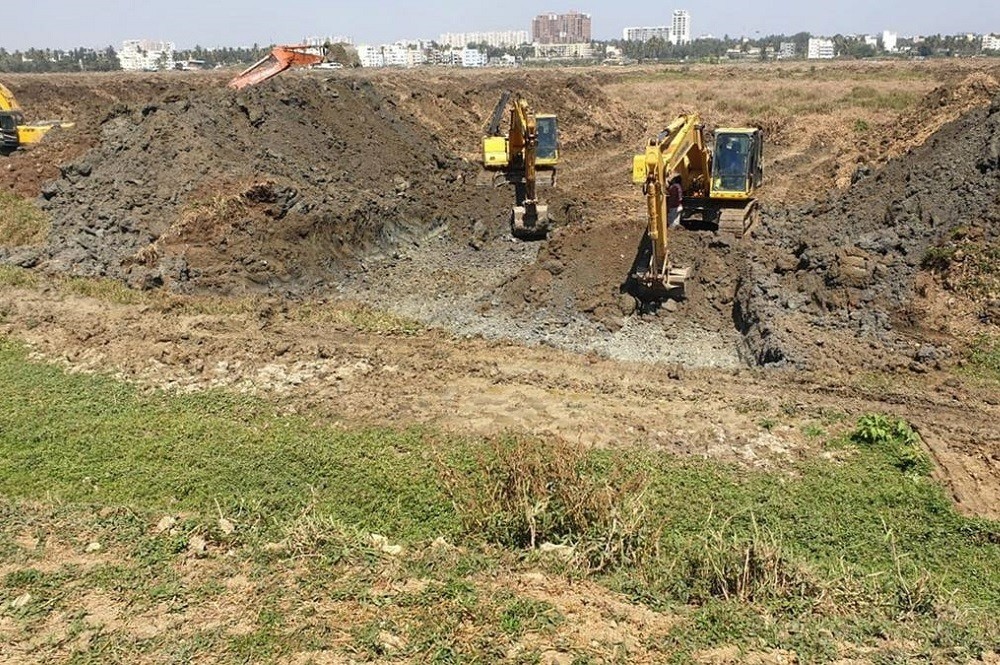
A CETP generates sludge from multiple stages. This may include primary sludge, chemical sludge, biological sludge, tertiary filtration sludge, and sludge from specific contaminant removal systems.
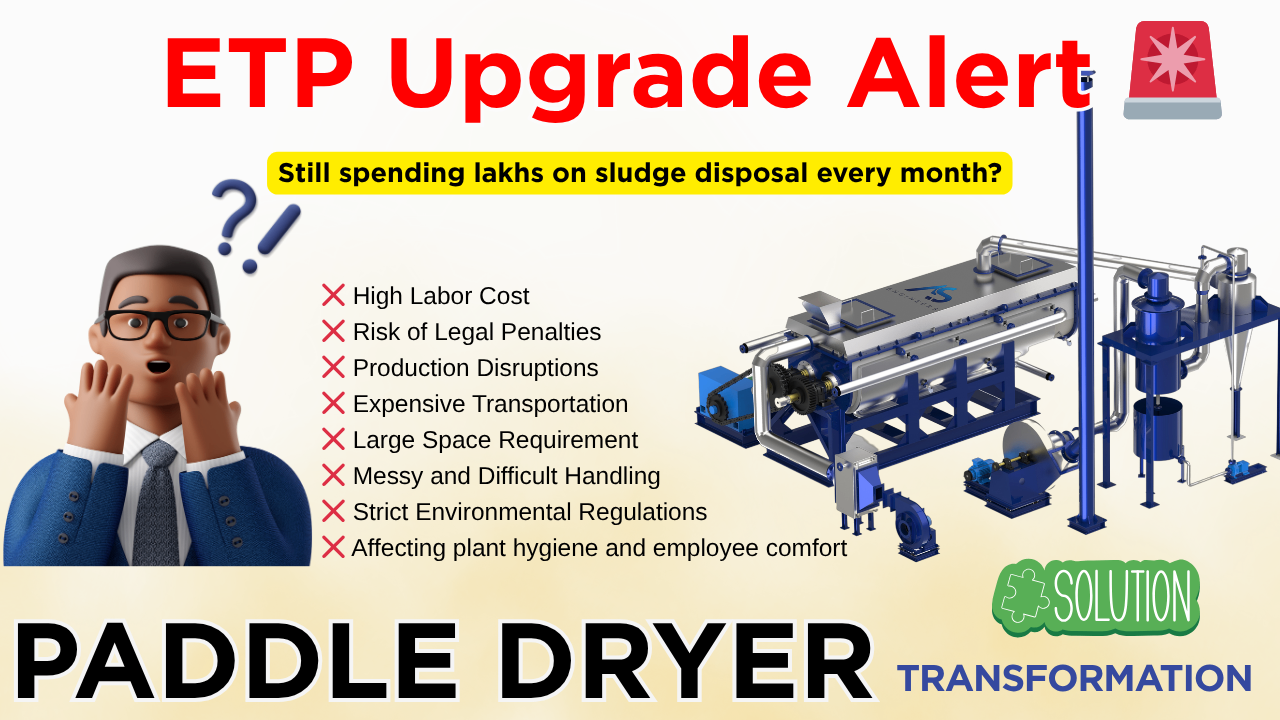
Wet sludge creates several operational problems:
- High storage volume
- Higher transport load
- Odour and hygiene concerns
- Leachate risk
- Handling difficulty
- Higher dependency on disposal vendors
- Higher floor space requirement
- Unstable disposal planning during monsoon or plant shutdowns
Sludge handling should be planned from the beginning of the CETP design. It should not be treated as a leftover problem after water treatment is completed.
Useful related guides:
- ETP sludge challenges and treatment solutions
- Industrial sludge disposal guide
- Wastewater treatment sludge guide
Where a paddle dryer fits in CETP sludge management
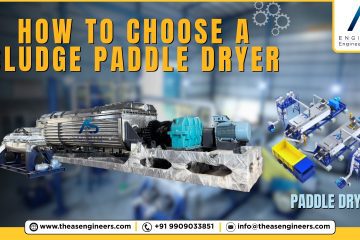
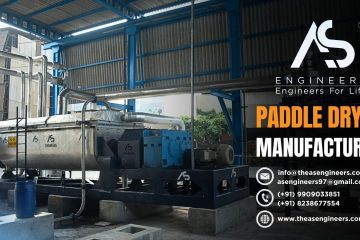
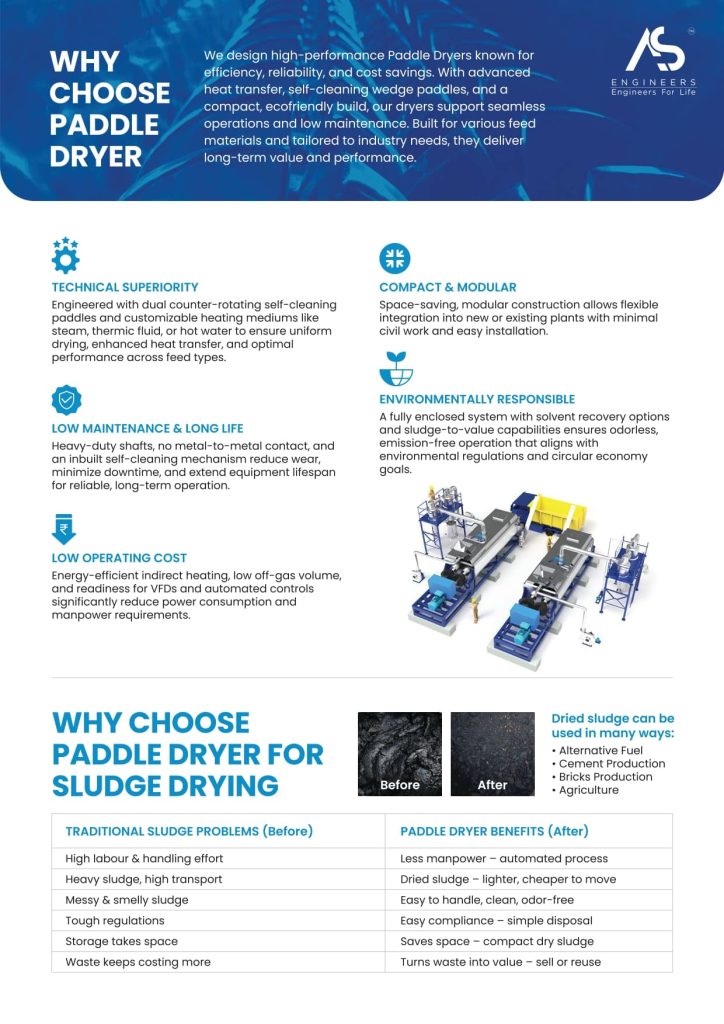
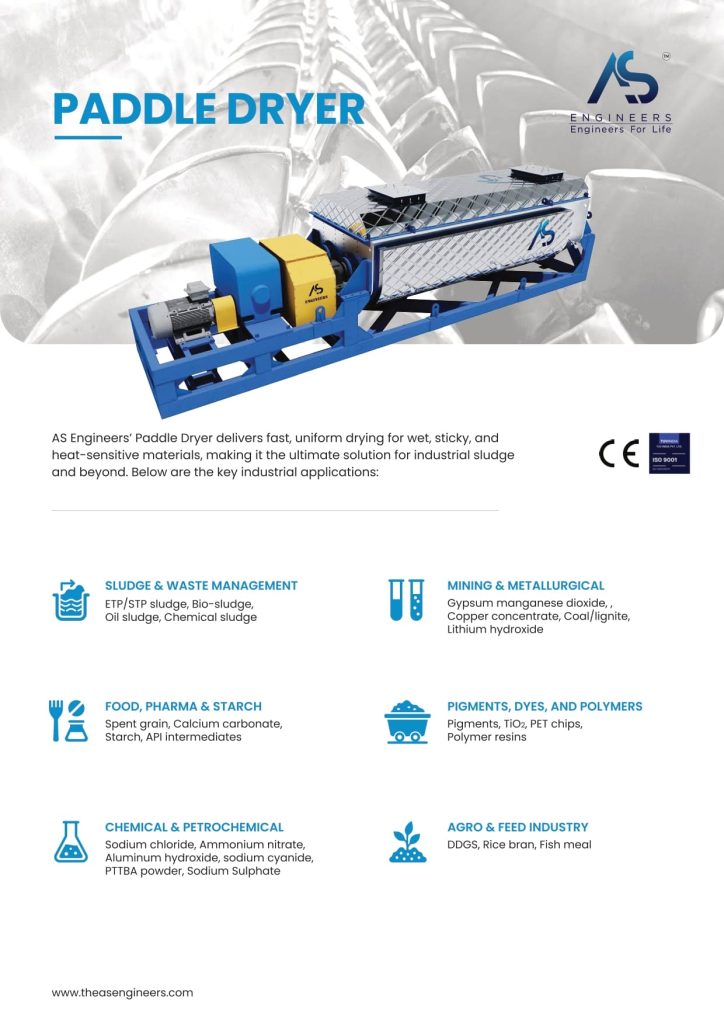
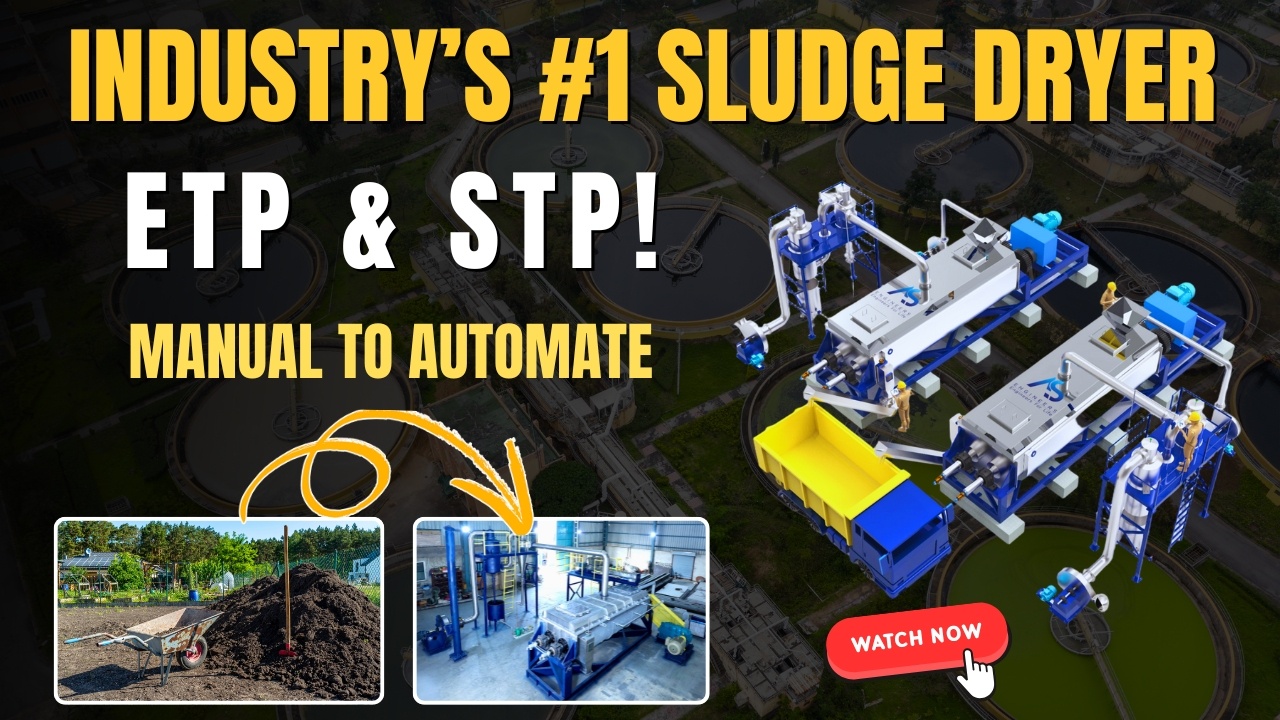
A paddle dryer may be considered after sludge thickening and dewatering when the plant still needs further moisture reduction for easier handling, lower transport load, storage control, co-processing preparation, or approved reuse/disposal routes.
In a conductive paddle dryer, heat is transferred indirectly through heated surfaces such as hollow shafts and a jacket. Wedge-shaped paddles mix and move the sludge while exposing new surface area for evaporation. This makes the technology suitable for many wet cake, paste, and sludge applications, but the final selection depends on sludge characteristics.
A dryer should not be selected only by “tons per day.” For CETP sludge, the engineering team must check:
- Feed moisture and cake solids
- Daily sludge quantity
- Sludge source and composition
- Chemical contaminants
- Chloride, salt, and corrosion risk
- Stickiness and phase behavior
- Required final moisture
- Heating medium availability
- Vapour handling and odour control
- MOC requirement
- Disposal or reuse route for dried solids
Learn more about sludge treatment with conductive paddle dryers and paddle dryer manufacturer in India.
When CETP sludge drying makes sense
| Situation | Drying may be useful when |
|---|---|
| High disposal cost | Wet sludge transport and disposal cost is becoming difficult to control |
| Storage pressure | Sludge occupies too much space in the CETP |
| High moisture after dewatering | Filter press, centrifuge, or screw press cake is still too wet |
| Consistent sludge load | Daily quantity is stable enough for dryer sizing |
| Approved end route exists | TSDF, co-processing, fuel use, brick use, cement use, or other route is technically and legally reviewed |
| Fuel or heat source is available | Steam, thermic fluid, hot water, or fuel source is practical for the site |
| Odour control is needed | Enclosed drying and vapour handling can improve plant-side control |
Drying should not be rushed when sludge classification is unclear, chemical composition changes frequently, upstream dewatering is poor, vapour handling is not planned, or the dried solid has no approved disposal or reuse route.
RFQ checklist for CETP sludge drying equipment
Before asking for a sludge dryer quotation, prepare this data. It helps avoid wrong sizing, wrong MOC, poor drying performance, and future operating problems.
| RFQ input | Why it matters |
|---|---|
| CETP location and industry cluster type | Textile, chemical, pharma, food, dyeing, mixed cluster, or other source affects sludge behavior |
| Daily sludge quantity | Required for dryer capacity planning |
| Feed moisture | Main input for evaporation load |
| Current dewatering method | Filter press, centrifuge, screw press, drying bed, or other method |
| Sludge analysis | Helps assess contaminants, pH, salts, metals, and handling risk |
| Desired final moisture | Defines drying target |
| Operating hours per day | Affects dryer size and duty cycle |
| Heating medium | Steam, thermic fluid, hot water, or other source |
| Available utilities | Power, air, water, fuel, steam, cooling water |
| Vapour handling requirement | Needed for odour, fumes, condensation, or scrubbing |
| Dust and fines behavior | Important for cyclone, bag filter, scrubber, or condenser planning |
| MOC preference | CS, SS304, SS316, duplex, or other alloy based on corrosion risk |
| Disposal or reuse route | Dryer output must match the approved downstream route |
| Space availability | Influences layout, feeding, discharge, and maintenance access |
| Automation expectation | Impacts controls, safety interlocks, and operator involvement |
For uncertain sludge, a trial with actual feed sample is safer than assuming performance from generic sludge data.
Common mistakes in CETP planning
Avoid these mistakes during CETP design, operation, or upgrade planning:
- Treating CETP as a substitute for member-level pre-treatment.
- Ignoring shock load from batch discharges.
- Undersizing equalization tanks.
- Focusing only on treated water and ignoring sludge volume.
- Selecting sludge drying equipment without moisture and composition data.
- Assuming all CETP sludge can be reused without testing and approvals.
- Ignoring odour and vapour handling in sludge drying.
- Using only motor HP or dryer size as selection criteria.
- Not planning access for cleaning, maintenance, and sludge removal.
- Not linking monitoring data with real operating action.
Practical note from AS Engineers
When I review a CETP sludge drying requirement, I do not start with dryer capacity alone. I first check sludge source, moisture, daily quantity, sludge behavior, heating medium, final moisture target, vapour handling, and the approved route for dried sludge. These inputs decide whether a paddle dryer is suitable and what configuration should be reviewed.
At AS Engineers, we can review CETP and ETP sludge drying requirements based on actual duty data. Share feed moisture, final moisture target, daily sludge quantity, sludge analysis, heating medium, operating hours, and disposal route so the drying system can be evaluated correctly.
FAQs
What is the full form of CETP?
CETP stands for Common Effluent Treatment Plant. It is a shared wastewater treatment facility used by multiple industries in one cluster or estate.
How is CETP different from ETP?
An ETP treats wastewater from one industry or facility. A CETP treats wastewater collected from multiple industries. CETPs are useful for industrial clusters, while ETPs are better suited for individual plants that need direct process-specific control.
What are the main stages of a CETP?
The common stages are inlet screening, equalization, pH correction, primary treatment, biological treatment, secondary clarification, tertiary polishing, and sludge handling. The exact design depends on wastewater characteristics and regulatory requirements.
What happens to sludge from a CETP?
CETP sludge is usually thickened, dewatered, stored, transported, dried, disposed, or reused depending on its classification and approved route. Sludge from mixed industrial effluent should be tested and handled carefully because its composition can vary.
Can CETP sludge be dried in a paddle dryer?
Yes, CETP sludge can be reviewed for paddle drying after thickening and dewatering. Suitability depends on moisture, composition, stickiness, contaminants, heating medium, vapour handling, MOC, and final disposal or reuse route. A pilot trial or sample evaluation is recommended for uncertain sludge.
Conclusion
A CETP is an important shared treatment system for industrial clusters, but its performance depends on more than civil tanks and treatment chemicals. Inlet control, equalization, treatment stability, monitoring, sludge handling, and member-industry discipline decide whether the plant runs reliably.
For CETP sludge drying, do not select equipment only by tons per day. Share the sludge source, feed moisture, final moisture target, daily quantity, analysis report, heating medium, operating hours, and disposal route. AS Engineers can review the requirement and suggest a suitable sludge drying direction based on actual site conditions.