Activated sludge troubleshooting means finding why the biological treatment system is not converting, settling, or separating properly. Do not start by randomly increasing air, adding chemicals, or changing sludge wasting. First check the visible symptom, then confirm it with DO, pH, MLSS, SVI, settleability, sludge blanket depth, RAS/WAS flow, influent load, aeration equipment condition, and microscopy where available.
In many STP and ETP plants, the problem is not only “bad sludge.” It can come from low oxygen, shock loading, wrong sludge age, poor RAS control, overloaded clarifiers, diffuser fouling, industrial discharge variation, or poor downstream sludge handling.
This guide explains a practical way to diagnose activated sludge problems before they turn into high TSS, high BOD/COD, ammonia carryover, odor, foam, excess wet sludge, and disposal pressure.
What a Healthy Activated Sludge System Should Do
A healthy activated sludge system does three jobs together.
It converts soluble organic load into biological solids.
It forms floc that can settle in the secondary clarifier.
It returns enough active biomass through RAS while removing excess biomass through WAS.
When one of these three jobs fails, operators usually see one or more symptoms: cloudy outlet, rising sludge, thick foam, low DO, bad odor, high sludge blanket, pin floc, unstable MLSS, or excess wet sludge generation.
For a full basic explanation of the process, use the related guide on activated sludge before applying this troubleshooting checklist.
Quick Activated Sludge Troubleshooting Matrix
| Symptom seen at plant | Likely problem zone | Checks to confirm | Practical action direction |
|---|---|---|---|
| Low DO in aeration tank | Aeration system, loading, biomass level | DO profile, blower discharge pressure, diffuser condition, MLSS, inlet BOD/COD trend | Check air supply, diffuser fouling, valve position, load variation, and excess MLSS before making process changes |
| Cloudy clarifier effluent | Poor floc, hydraulic overload, clarifier issue | SVI, settleometer test, sludge blanket, weirs, RAS rate, influent flow peak | Separate biological settling issue from clarifier hydraulic issue |
| Bulking sludge | Filamentous growth or poor compaction | SVI trend, microscopy, DO profile, F/M ratio, nutrients, septicity | Correct root cause such as low DO, nutrient deficiency, septic influent, wrong sludge age, or overloaded condition |
| Brown stable foam | Filamentous foam, FOG, old sludge, industrial surfactants | Foam color, microscopy, FOG load, sludge age, surface wasting | Control source, manage sludge age, remove foam physically, avoid treating foam only at surface level |
| White light foam | Young sludge or startup condition | MLSS trend, F/M ratio, plant startup history, loading | Stabilize biomass, avoid overreaction, check whether system is still maturing |
| Rising sludge in clarifier | Denitrification or long sludge retention in clarifier | Gas bubbles, sludge blanket depth, RAS rate, nitrate trend, settleometer timing | Reduce sludge detention in clarifier, adjust RAS/WAS strategy, review nitrogen conversion |
| Pin floc | Old sludge, low F/M, toxicity, high shear | Microscopy, SOUR/OUR if available, WAS history, influent toxicity, aeration intensity | Review sludge age, wasting, toxicity events, and excessive turbulence |
| Septic odor from aeration or inlet | Anaerobic influent, long sewer retention, low oxygen | ORP if available, sulfide odor, inlet color, lift station history, DO | Find septic source, improve equalization/pretreatment, avoid only masking odor |
| MLSS keeps increasing | WAS control or sludge handling bottleneck | WAS pump, sludge holding tank, dewatering capacity, solids inventory | Confirm actual wasting, not only pump command; check downstream sludge equipment |
| Excess wet sludge disposal | Dewatering/drying limitation | Feed moisture, cake moisture, daily sludge quantity, disposal route | Review dewatering and drying route using sludge dewatering techniques and sludge drying methods |
Start With the Symptom, Not the Assumption
When I review activated sludge problems, I avoid starting with a fixed answer like “increase air” or “increase wasting.” The same symptom can come from different causes.
Cloudy outlet may come from poor floc, clarifier overload, excessive flow, toxic shock, or high sludge blanket.
Foam may come from young sludge, old sludge, surfactants, FOG, or filamentous organisms.
Low DO may come from blower limitation, diffuser fouling, overloaded influent, high MLSS, wrong air distribution, or instrument error.
So the first step is to record the symptom clearly:
What changed?
When did it start?
Was it sudden or gradual?
Is it linked to rain, production batch, tanker discharge, chemical cleaning, power issue, or blower maintenance?
Is the problem in aeration tank, clarifier, sludge return, or downstream sludge handling?
This prevents wrong corrections that make the plant unstable.
Check Dissolved Oxygen Before Blaming the Biology
Low DO is one of the most common causes behind poor treatment, odor, incomplete nitrification, and filamentous growth. But low DO does not always mean the blower is undersized.
Possible reasons include:
Clogged or fouled diffusers.
Closed or imbalanced air valves.
Dirty inlet filters.
Blower belt, bearing, or impeller issues.
Wrong air distribution between tanks.
Organic shock load.
Excess MLSS increasing oxygen demand.
Incorrect DO probe reading.
Dead zones inside the aeration tank.
A practical DO check should include readings at different tank locations and different times of the day. One reading near the surface is not enough for a plant-level decision.
If the air system is weak, also inspect the blower side. AS Engineers works with industrial centrifugal blowers and airflow systems, and the related guide on high-pressure blowers in wastewater treatment can support the airflow side of the diagnosis.
Diagnose Sludge Bulking Carefully
Sludge bulking happens when the activated sludge does not settle and compact properly in the clarifier. Operators usually notice high SVI, cloudy effluent, solids carryover, weak RAS concentration, and a rising blanket.
Common causes include:
Low dissolved oxygen.
Filamentous microorganism growth.
Nutrient imbalance.
Septic influent.
Industrial shock load.
Wrong F/M ratio.
Old or young sludge condition.
Poor selector conditions.
Do not treat bulking only by chemical dosing. Temporary chemical correction may reduce visible symptoms, but it can also disturb biology if used without proper supervision. The better approach is to identify the cause through SVI trend, settleometer test, DO profile, sludge age review, nutrient check, and microscopy where available.
A simple field rule is useful: if sludge settles slowly from the start, think bulking or poor floc. If sludge settles first and later floats, think rising sludge from gas formation.

Separate Bulking Sludge From Rising Sludge
Bulking and rising sludge are often confused, but they are not the same.
| Point | Bulking sludge | Rising sludge |
|---|---|---|
| What happens | Sludge does not settle or compact well | Sludge settles first, then floats later |
| Common visual sign | Cloudy effluent, high blanket, poor compaction | Gas bubbles attached to sludge clumps |
| Likely cause | Filaments, low DO, nutrient imbalance, F/M issue | Denitrification or long sludge detention in clarifier |
| Main check | SVI, microscopy, DO, F/M, nutrients | Sludge blanket depth, RAS rate, nitrate trend, settleometer timing |
| Wrong reaction to avoid | Random chemical addition | Assuming it is always filamentous bulking |
For rising sludge, the clarifier is often holding sludge too long. Review sludge blanket depth, RAS rate, WAS rate, and nitrate conditions. If gas bubbles are lifting sludge after it settles, the issue may be denitrification inside the clarifier rather than poor initial settleability.
Troubleshoot Foaming and Scum Without Guesswork
Foam color and texture can help, but it should not be the only decision point.
White, light foam often appears during startup or young sludge conditions.
Brown, thick, stable foam may indicate filamentous foam, FOG, surfactants, or sludge age imbalance.
Greasy scum may point toward oil, grease, or poor primary removal.
A temporary water spray may break foam, but it does not solve the cause. The better checks are:
Influent FOG and surfactant load.
Industrial discharge pattern.
Sludge age and wasting history.
Microscopic examination.
Surface wasting or foam removal availability.
Aeration intensity.
Foam that keeps returning is usually a process signal, not only a housekeeping problem.
Check RAS and WAS Before Changing MLSS
RAS and WAS control are central to activated sludge stability.
RAS brings settled biomass back to the aeration tank.
WAS removes excess biomass from the system.
If RAS is too low, sludge can stay too long in the clarifier. If RAS is too high, clarifier hydraulics can be disturbed. If WAS is inconsistent, sludge age and MLSS become unstable.
Before changing wasting, confirm:
WAS pump is actually moving sludge.
RAS pump flow matches operating condition.
Sludge blanket is not too deep.
MLSS readings are reliable.
Dewatering or sludge holding capacity is available.
The plant is not holding sludge only because downstream handling is overloaded.
For downstream solids handling, review the guide on sludge pumps in wastewater treatment and sludge transfer pumps because pumping problems can quietly disturb WAS control.
Poor Floc and Pin Floc Troubleshooting
Pin floc means small, weak particles are escaping in the clarifier effluent. The water may look hazy even when there is no heavy sludge blanket.
Possible causes include:
Old sludge and low F/M condition.
Toxic shock.
Over-aeration or excessive shear.
Very low organic load.
Poor nutrient balance.
Hydraulic turbulence.
Sudden process change.
Corrective action should focus on the cause. Do not add coagulant permanently without understanding why floc quality is poor. Coagulants may help as a temporary polishing measure in some plants, but they are not a substitute for stable biology, correct sludge age, proper mixing, and reliable influent control.
Toxic Shock and Industrial Slug Loads
In industrial ETPs and mixed wastewater plants, activated sludge can fail suddenly after a batch discharge, cleaning chemical, pH swing, solvent entry, high salt load, or unexpected COD spike.
Signs may include:
Sudden DO increase because biomass activity drops.
Loss of floc structure.
Poor settling.
Sharp pH or conductivity change.
Odor change.
Effluent quality upset.
Foam or color change.
The plant team should immediately check influent history, equalization tank, pH, conductivity, COD/BOD trend, and any production-side cleaning or dumping event. For industrial plants, pretreatment and equalization are often more important than repeatedly adjusting the biological tank.
Related reading: effluent treatment industrial guide and ETP sludge challenges and disposal solutions.
Clarifier Problems That Look Like Biological Problems
Not every solids carryover problem comes from biology. Sometimes the activated sludge is acceptable, but the secondary clarifier is not separating properly.
Check:
Hydraulic peak flow.
Surface overflow rate against design.
Weir condition.
Baffle condition.
Sludge scraper function.
Sludge blanket depth.
RAS suction blockage.
Short-circuiting.
Algae or scum buildup.
If sludge settles well in a jar test but solids still escape from the clarifier, investigate hydraulics and mechanical clarifier condition before changing the whole biological process.
Daily Operator Checklist for Activated Sludge Troubleshooting
| Check | Why it matters | Practical note |
|---|---|---|
| Influent flow and load | Shows whether plant is overloaded | Compare daily trend, not only one reading |
| Aeration tank DO profile | Confirms oxygen availability | Check multiple points and times |
| pH and alkalinity | Supports biological stability | Sudden pH drop can affect treatment |
| MLSS and MLVSS | Shows biomass inventory | Use trend with WAS history |
| SVI or settleometer test | Shows settling behavior | Compare same test timing daily |
| Sludge blanket depth | Shows clarifier solids holding | High blanket can cause solids carryover |
| RAS flow | Controls biomass return | Check actual pump performance |
| WAS flow | Controls sludge age | Confirm sludge is really wasted |
| Foam and odor observation | Early warning of biological or influent change | Record color, texture, location, and timing |
| Blower and diffuser condition | Supports oxygen transfer | Check pressure, filters, vibration, valves, and fouling |
| Dewatering and sludge storage | Affects WAS discipline | Downstream bottleneck can destabilize biological control |
Weekly Review for Stable Operation
A weekly review should not only ask whether the outlet looks clear. It should compare data trends.
Review:
Influent BOD/COD and flow variation.
DO trend across day and night.
MLSS and SVI trend.
Sludge blanket trend.
RAS and WAS operating hours.
Blower energy and pressure trend.
Foam incidents.
Dewatering output.
Wet sludge storage.
Disposal quantity.
Any industrial discharge event.
This trend-based method is more reliable than reacting to one bad reading.
Mistakes That Make Activated Sludge Problems Worse
Do not increase air blindly without checking whether over-aeration is causing shear, temperature loss, or unnecessary power use.
Do not reduce WAS only to maintain MLSS if sludge is already old and settling poorly.
Do not increase WAS aggressively without understanding sludge age and loading.
Do not treat all foam as the same problem.
Do not assume every clarifier carryover issue is biological.
Do not ignore diffuser fouling and blower performance.
Do not add chemicals as the first response.
Do not allow downstream sludge storage or dewatering failure to stop proper WAS control.
Do not use generic internet numbers as operating limits. Use plant design, consent conditions, O&M manual, and qualified operator judgement.
When Activated Sludge Troubleshooting Points to Sludge Handling
Even when the biological system is corrected, the plant still has to handle excess sludge. In STP and ETP plants, WAS normally moves toward thickening, dewatering, drying, disposal, reuse, or further treatment.
If sludge handling is weak, operators may avoid wasting. That increases sludge age, increases clarifier load, and can create more biological instability.
This is where the biological process connects to sludge management.
Use these related guides:
STP sludge sewage treatment guide for sewage sludge handling.
Primary sludge vs secondary sludge for sludge type comparison.
How to choose sludge dewatering equipment for pre-drying solids handling.
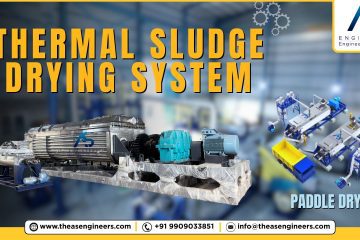
Thermal sludge drying system guide for drying system selection.
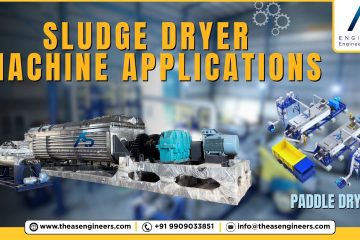
Sludge dryer machine applications for where drying fits after treatment.
Where Paddle Drying Fits After Activated Sludge
Activated sludge troubleshooting improves the biological treatment stage. A sludge dryer handles the excess solids stage after sludge is collected, thickened, or dewatered.
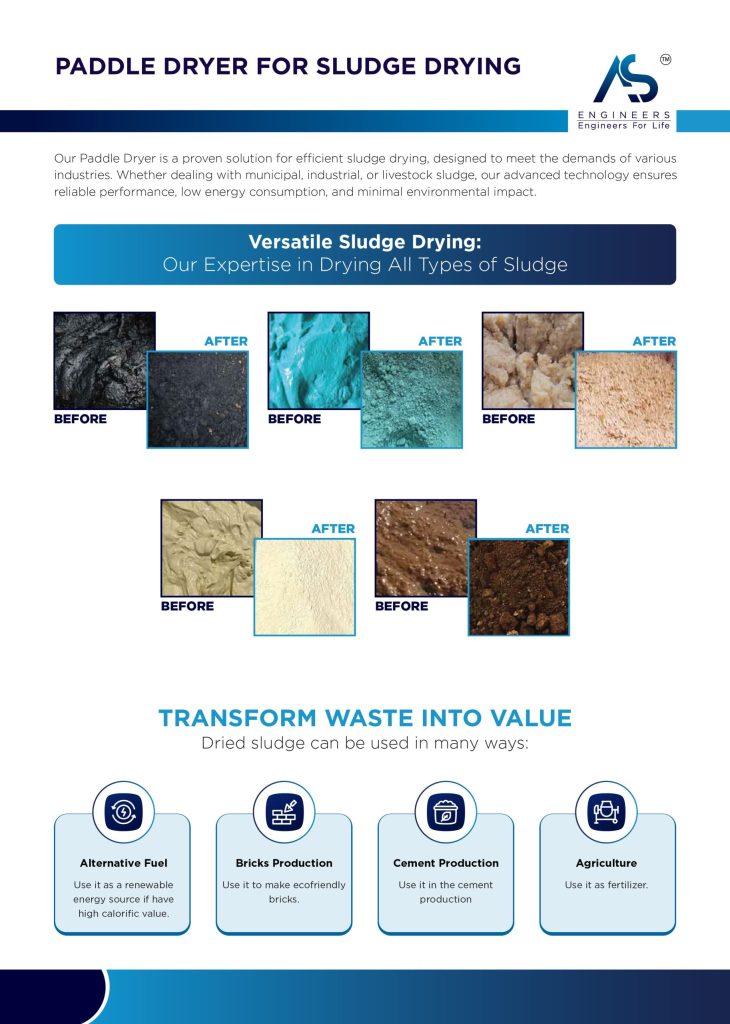
AS Engineers’ paddle dryer system is used for sludge drying applications and works through indirect heat transfer using hollow shafts and jacket heating. The system can support sludge drying routes where wet sludge volume, handling, storage, transport, or disposal cost is a major problem.
A drying decision should not be made only from daily sludge quantity. Share these inputs first:
Sludge source: STP, ETP, CETP, biological sludge, chemical sludge, or mixed sludge.
Feed quantity per day.
Feed moisture after thickening or dewatering.
Final moisture target.
Existing dewatering equipment.
Sludge stickiness, odor, corrosiveness, and contaminants.
Heating medium available: steam, thermic fluid, hot water, or fuel route.
Space available.
Vapour, odor, and pollution-control requirement.
Discharge handling method: bagging, conveyor, silo, truck loading, or reuse route.
For product-specific context, review AS Engineers’ paddle dryers for sludge drying and the related paddle dryers in wastewater treatment resource.
RFQ Checklist for Sludge Drying After Activated Sludge Treatment
| RFQ input | Why AS Engineers needs it |
|---|---|
| Plant type | STP, ETP, CETP, municipal, industrial, or mixed wastewater |
| Sludge type | Biological sludge behaves differently from chemical or oily sludge |
| Daily sludge quantity | Helps estimate equipment duty and operating schedule |
| Feed moisture | Dryer sizing depends heavily on water load |
| Final moisture target | Over-drying can waste energy; under-drying can affect handling |
| Existing dewatering method | Filter press, screw press, centrifuge, belt press, drying bed, or none |
| Heating medium | Steam, thermic fluid, hot water, fuel, or electric route |
| MOC concern | Corrosion, abrasion, pH, chlorides, solvents, or hazardous content |
| Vapour handling | Odor, water vapour, solvent, fines, cyclone, scrubber, condenser, or chimney |
| Discharge plan | Bagging, conveyor, truck loading, reuse, TSDF, cement, fuel, or composting route |
| Site constraints | Space, height, utilities, maintenance access, and installation route |
Conclusion
Activated sludge troubleshooting works best when the plant team follows a sequence: observe the symptom, confirm with process data, separate biological issues from mechanical and hydraulic issues, then correct the root cause. Bulking, foaming, rising sludge, low DO, pin floc, and solids carryover should not be handled with guesswork.
For STP and ETP plants, the final issue is often not only treatment quality. It is also sludge handling. If excess WAS is not removed, dewatered, dried, or disposed of properly, the biological system can become unstable again.
If your plant is facing repeated activated sludge problems along with wet sludge storage, high disposal load, or dewatering bottlenecks, share your flow, sludge quantity, moisture, DO/MLSS/SVI trends, RAS/WAS condition, and existing sludge handling method. The AS Engineers team can review the sludge-side requirement and suggest the next practical route based on site data.
FAQs
What is the first step in activated sludge troubleshooting?
The first step is to identify the symptom and confirm it with data. Check DO, pH, MLSS, SVI, settleability, sludge blanket depth, RAS/WAS rates, influent load, and aeration equipment condition before changing air, sludge wasting, or chemical treatment.
How do I know if the problem is bulking sludge or rising sludge?
Bulking sludge settles poorly from the beginning and usually causes high SVI, cloudy effluent, and poor compaction. Rising sludge usually settles first, then floats later because gas bubbles lift the sludge blanket, often due to denitrification in the clarifier.
Is low DO always caused by blower failure?
No. Low DO can come from blower issues, diffuser fouling, closed valves, poor air distribution, high organic load, high MLSS, wrong aeration control, or faulty DO measurement. Check the full air system and loading condition before blaming one component.
Should chemicals be used to stop activated sludge foaming?
Chemical treatment should not be the first response. Foam should be diagnosed by type, color, sludge age, influent surfactants, FOG load, microscopy, and operating history. Chemical use should follow plant SOP and qualified technical approval because it can disturb the biology.
How is sludge drying connected to activated sludge troubleshooting?
Activated sludge treatment produces excess biological sludge. If WAS removal, dewatering, or drying is weak, operators may hold too much biomass in the system, which affects sludge age, settling, clarifier load, and process stability. Sludge drying helps after thickening or dewatering when wet sludge volume and disposal handling become a major issue.