Managing hazardous waste properly is a legal and environmental responsibility. The Central Pollution Control Board (CPCB), under the Ministry of Environment, Forest and Climate Change, has established clear waste management rules to protect public health and our planet. The Hazardous Waste Management Rules, 2016, define hazardous waste as any substance that is toxic, flammable, or corrosive.
These regulations are designed to ensure that industries handle and dispose of these dangerous materials safely, preventing harm to both people and the environment.
Table of contents
Key Highlights
Here is some useful information about the CPCB guidelines for hazardous waste disposal. Understanding these rules is crucial for every hazardous waste generator.
- The guidelines outline a clear hierarchy for waste management: prevention, minimization, reuse, recycling, recovery, and finally, safe disposal.
- Every generator must get authorization from their State Pollution Control Board (SPCB) to handle hazardous waste.
- Strict documentation, including a manifest system (Form 10) and annual returns (Form 4), is mandatory.
- Technical guidelines specify how to store, label, and transport waste to prevent contamination and ensure clean air.
- Non-compliance leads to severe penalties, including heavy fines and potential facility closure.
Key Principles of CPCB Hazardous Waste Disposal Guidelines in India
The foundation of the HWM Rules is the “polluter pays” principle. This means that if your industry generates hazardous waste, you are legally and financially responsible for its collection, treatment, and disposal. This approach ensures accountability and encourages businesses to minimize waste generation from the start.
Another core principle is the waste management hierarchy. You are required to prioritize waste prevention and minimization first. Following that, you should explore options for reuse, recycling, recovery, and co-processing before considering final disposal. This framework, a supersession of former notification, promotes sustainability and resource efficiency, guiding you toward more environmentally friendly practices for safe handling of waste. Now, let’s explore the types of waste regulated and the procedures for handling them.
Classification and Types of Regulated Hazardous Waste
A critical aspect of hazardous wastes generation is correctly identifying and classifying what you produce. The CPCB guidelines provide detailed schedules to help with the identification of materials that fall under the hazardous category. Waste is defined as hazardous if it possesses characteristics like toxicity, reactivity, or flammability or if it is generated from specific industrial processes listed in the rules.
This includes waste from a wide range of industries, from chemical plants in the west zone to automotive factories. Common examples include used oils, chemical residues, solvents, and materials containing heavy metals. Even items like used lead acid batteries and lead scrap are considered hazardous and must be managed according to these specific regulations.
Proper classification is the first step toward compliance. Below is a table illustrating how different processes generate specific types of hazardous wastes.
| Industrial Process | Type of Hazardous Waste Generated |
|---|---|
| Petroleum Refining | Oily sludges, chemical residues |
| Pharmaceutical Manufacturing | Process residues, discarded medicines |
| Paint and Pigment Production | Paint sludges, solvent residues |
| Battery Manufacturing | Used lead acid batteries, lead scrap |
Procedures for Storage, Handling, and Transportation
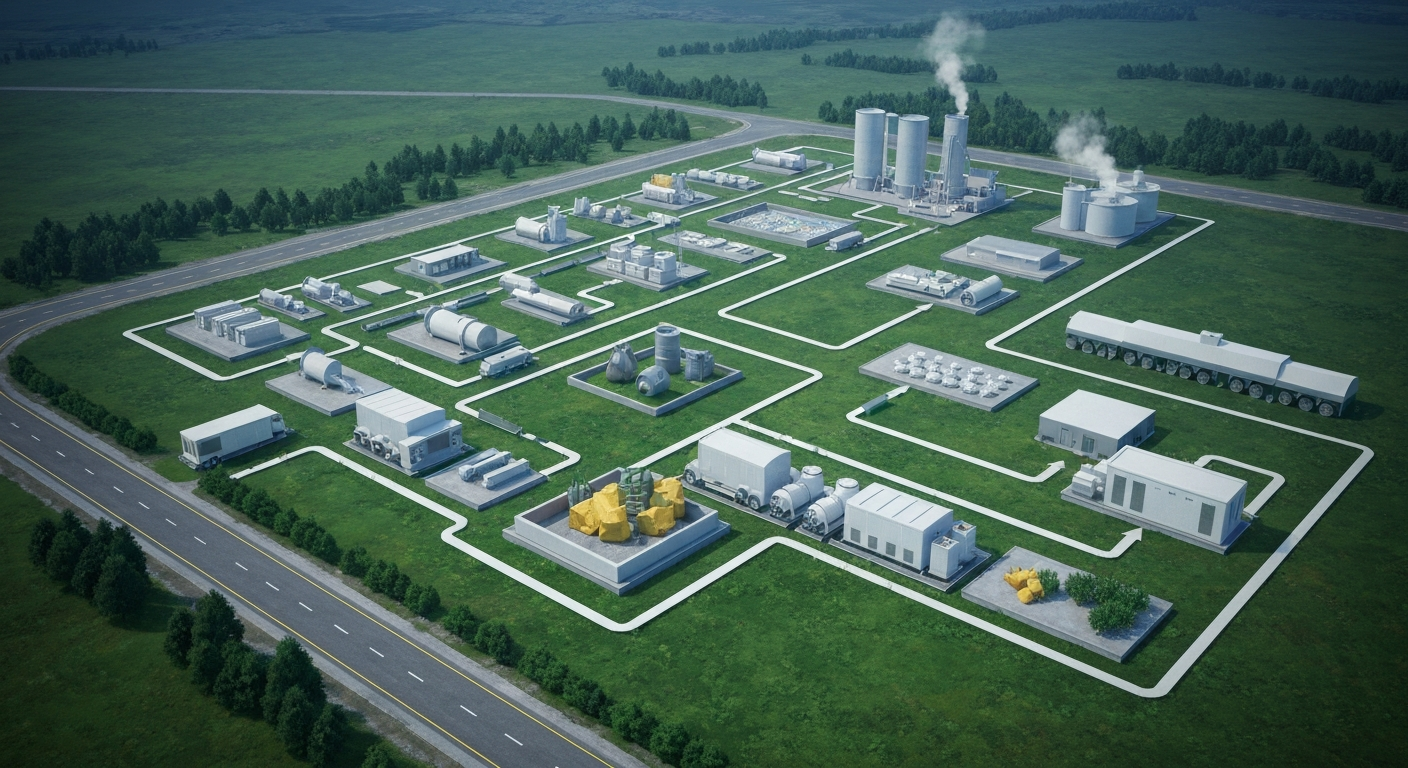
Once you have identified your hazardous waste, the next step is ensuring its safe handling and storage on-site. The CPCB mandates that all hazardous materials must be stored in leak-proof, impermeable containers to prevent any spillage or contamination of soil and water. A designated storage area with a proper buffer zone is essential to isolate these materials from other operations.
Each container must also be clearly labeled. The rules specify a standard label (Form 8) with a yellow background and black lettering, which details the waste’s characteristics and handling instructions. This ensures that anyone who handles the container is aware of the potential dangers. Proper storage is a key part of the preparation of inventories and overall site safety.
When it’s time to transport the waste for disposal, you must use the mandatory manifest system (Form 10). This six-copy document tracks the waste from your facility to the final disposal site.
- The manifest ensures a clear chain of custody.
- It prevents illegal dumping during transit.
- All parties, including the generator, transporter, and disposer, must sign and retain a copy.
- This system is crucial for managing any transboundary movement of waste and is monitored by authorities, including the port authority for imports/exports.
Compliance Requirements for Hazardous Waste Management
Meeting CPCB’s compliance requirements is not optional. Any industry that generates, stores, treats, or disposes of hazardous waste—whether in the north zone or central zone—must obtain authorization from its State Pollution Control Board (SPCB). This is a legal prerequisite for operation and is separate from rules governing municipal solid waste.
The corresponding duties of various authorities mean that both CPCB and SPCBs monitor your activities closely. You are responsible for ensuring the proper upkeep of disposal sites you use and for following all prescribed procedures. Failure to comply can result in serious legal consequences. The following sections will explain the specific documentation and special provisions you need to know.
Documentation, Sampling, and Analysis Standards
Accurate documentation is the backbone of hazardous waste compliance. You are required to maintain a detailed logbook (Form 3) of all hazardous waste handled at your facility. This includes the quantity, category, and disposal route for all materials. These records must be kept for at least five years and be available for inspection by pollution control committees at any time.
In addition to daily records, you must submit an annual return (Form 4) to your SPCB by June 30th each year. This report summarizes the hazardous waste generated and disposed of during the previous financial year. Timely and accurate submission of these forms is a common checkpoint during regulatory audits, whether your facility is in the east zone or elsewhere.
Proper sampling and analysis standards are also vital. You may need to test your waste to confirm its category and characteristics, especially to check for heavy metals or calorific value. This ensures it is sent to the correct disposal facility and helps maintain good ambient air quality by preventing incorrect incineration. These tests must follow CPCB-approved protocols to be considered valid.
Inventory Preparation and Special Provisions (Incineration and Waste-to-Energy)
The preparation of inventories is a continuous process, but it culminates in the annual return (Form 4). This yearly inventory gives regulators a clear picture of the waste you’ve managed. According to CPCB rules, this comprehensive inventory must be officially filed once a year, providing a full account of your waste generation and disposal activities.
The CPCB guidelines also include special provisions for certain types of waste and disposal methods. For incinerable hazardous waste, there are specific operating standards for incinerators to ensure complete combustion and control emissions. These rules are designed to prevent the release of harmful pollutants into the atmosphere during the disposal process.
Furthermore, the guidelines encourage energy recovery from hazardous waste through methods like co-processing. This is where a waste material is used as a fuel or raw material in an industrial process, such as in a cement plant.
- Co-processing helps in the destruction of hazardous components.
- It allows for energy recovery, turning waste into a resource.
- The guidelines also address waste-to-energy plants, setting emission standards and management protocols for ash produced.
Frequently Asked Questions
What penalties apply for non-compliance with CPCB hazardous waste regulations?
Non-compliance with the hazardous waste management rules can lead to severe penalties. These include hefty environmental compensation fines, closure orders issued by the SPCB, and even legal prosecution under the Environment (Protection) Act, which can result in imprisonment for responsible officials. A full pollution assessment can be ordered by the authorities.
How often must hazardous waste inventories be updated under CPCB rules?
As a hazardous waste generator, you must maintain a daily logbook (Form 3) to track waste. However, the official inventory preparation culminates in an annual return (Form 4), which must be submitted to the central board via the SPCB by June 30th each year, detailing the previous year’s activities.
Are there specific CPCB guidelines for waste-to-energy plants managing hazardous waste?
Yes, the CPCB has guidelines for waste-to-energy plants, including those for co-processing hazardous waste in a cement plant for energy recovery. The Ministry of Environment has set standards for emissions and the management of ash from incineration to ensure these waste-to-energy facilities operate safely and do not harm the environment.
What are the main objectives of the CPCB guidelines for hazardous waste disposal?
The main objectives are to ensure the safe and environmentally sound management of hazardous waste. The technical guidelines aim to protect public health and ensure clean air by preventing pollution. They assign wider responsibilities to waste generators to follow a hierarchy of prevention, reuse, recycling, and safe disposal for effective air quality management.
How can businesses ensure compliance with CPCB guidelines when disposing of hazardous waste?
Businesses can ensure compliance by obtaining authorization from State Pollution Control Boards, maintaining meticulous records, using only approved transporters and disposal sites, and conducting regular internal audits. As a hazardous waste generator, fulfilling these corresponding duties is key to avoiding penalties and protecting the environment.
What are the penalties for non-compliance with CPCB hazardous waste disposal regulations?
The penalties for violating hazardous waste management rules are strict. They include financial penalties calculated per ton of waste, directives to stop production, and legal action under the Environment (Protection) Act. These measures ensure that a proper response action is taken by the company to correct violations.
Conclusion
In summary, understanding and adhering to the CPCB guidelines for hazardous waste disposal is crucial for both environmental protection and compliance. These regulations not only classify and manage hazardous waste effectively but also ensure that businesses operate responsibly. By following the key principles outlined, including proper storage, handling, and transportation, organizations can mitigate risks associated with hazardous materials. Remember, proactive management of hazardous waste not only protects public health but also enhances your business’s reputation. If you need further assistance or have questions about compliance, don’t hesitate to reach out to experts in the field.