The rapidly growing poultry industry brings immense economic benefits, but it also generates a significant amount of poultry waste. Managing this poultry farm sludge effectively has become a major focus for sustainable agriculture.
How you handle this byproduct is no longer just a disposal issue; it’s a critical component of environmental stewardship and farm profitability. Adopting smart waste management practices can transform this challenge into a valuable resource, benefiting both your farm and the planet.
Table of contents
- Key Highlights
- Understanding Poultry Farm Sludge in India
- Modeling and Simulation of Poultry Waste Treatment Processes
- Environmental Concerns and Challenges with Poultry Sludge Disposal
- Potential Uses and Benefits of Poultry Farm Sludge
- Proper Storage and Containment of Poultry Waste
- Land Application and Recycling of Poultry Waste
- Rendering and Value-Added Product Creation from Poultry Waste
- Sludge Drying Technologies: Comparing Methods
- Paddle Dryers: The Best Solution for Poultry Sludge Management
- Frequently Asked Questions
- Conclusion
Key Highlights
- Effective management of poultry farm sludge is critical for turning a significant waste challenge into a profitable opportunity.
- Improper waste management practices can severely damage the environment, impacting local air and water quality.
- Poultry sludge is rich in nutrients and can be converted into valuable organic fertilizer to improve soil health.
- The sludge holds great potential for renewable energy production through processes like anaerobic digestion.
- Advanced solutions, such as paddle dryers, offer an efficient way to reduce the environmental impact of sludge disposal.
- By adopting modern technologies, you can transform poultry waste into a resource, creating economic and environmental benefits.
Understanding Poultry Farm Sludge in India
To tackle the challenge of poultry farm sludge, it’s essential for poultry farmers in India to first understand what it is and where it comes from. This isn’t just simple manure; it’s a complex mixture that requires careful handling.
Gaining insight into its composition and properties is the first step toward unlocking its potential. In the following sections, we will explore the definition of poultry sludge, how it’s generated during poultry production, and its key characteristics.
Definition and Composition of Poultry Sludge
Poultry farm sludge is a semi-solid material that goes beyond simple poultry manure. It’s a combination of various waste streams from poultry production, including excreta, spilled feed, feathers, and the bedding material known as poultry litter. This mixture also often includes wastewater from cleaning sheds and poultry processing facilities.
The composition of this sludge is primarily organic matter, making it rich in valuable components. Chemically, it contains high levels of nitrogen, phosphorus, and potassium, which are essential plant nutrients. However, its high water content makes it heavy and difficult to handle in its raw form.
Understanding this makeup is crucial because it determines both the environmental risks and the potential uses. The mix of organic material, nutrients, and moisture creates a unique challenge but also an opportunity for creating value-added products if managed correctly.
How Poultry Farm Sludge is Produced
The generation of poultry farm sludge is a continuous process in any large-scale poultry production operation. The primary source is the poultry litter from floor-based housing systems, where bedding materials like sawdust or rice husks become saturated with manure and spilled water over a production cycle.
Additional waste streams contribute to the sludge volume. These include wastewater from cleaning and disinfecting sheds, incubators, and equipment. Hatcheries also produce solid waste like empty eggshells, infertile eggs, and culled chicks, which can be mixed into the sludge. In some cases, carcasses of dead birds may also be part of the waste stream that requires management.
Given the scale of the modern poultry industry, these activities produce a substantial quantity of sludge. A single large farm can generate tons of this solid waste daily, making efficient waste management practices an absolute necessity for sustainable operation.
Key Physical and Chemical Properties
Physically, poultry farm sludge is characterized by its very high water content, often exceeding 70%. This contributes to its heavy, slurry-like texture and the significant foul odor it emits, which is primarily due to the decomposition of organic matter and the release of ammonia nitrogen. Its color typically ranges from dark brown to black.
Chemically, the sludge is a powerhouse of nutrients. It has a high organic matter content and is rich in nitrogen (N), phosphorus (P), and potassium (K). However, it can also contain potential contaminants such as pathogens, antibiotic residues, and heavy metals, which must be addressed during treatment.
Here is a look at the typical properties of poultry sludge:
| Property | Typical Value/Characteristic |
|---|---|
| Water Content | 70-85% |
| pH | 6.0 – 8.5 |
| Organic Matter | 25-40% of dry matter |
| Nitrogen (N) | 2.5-4.5% of dry matter |
| Phosphorus (P) | 0.8-2.0% of dry matter |
| Foul Odor | High, due to ammonia & sulfides |
Modeling and Simulation of Poultry Waste Treatment Processes
As waste management practices become more sophisticated, poultry farmers are turning to technology to optimize their processes. Using computer models and simulations to predict the outcomes of different poultry sludge treatment methods is gaining importance. These tools help in designing more efficient and cost-effective systems before making a significant investment.
Processes like anaerobic digestion for biogas production or the composting process for creating fertilizer can be modeled to determine the best operating conditions. For example, a simulation can help you figure out the ideal mix of waste, temperature, and time needed to maximize energy production or create high-quality compost. This forward-thinking approach allows for better decision-making and ensures your waste management strategy is as effective as possible.
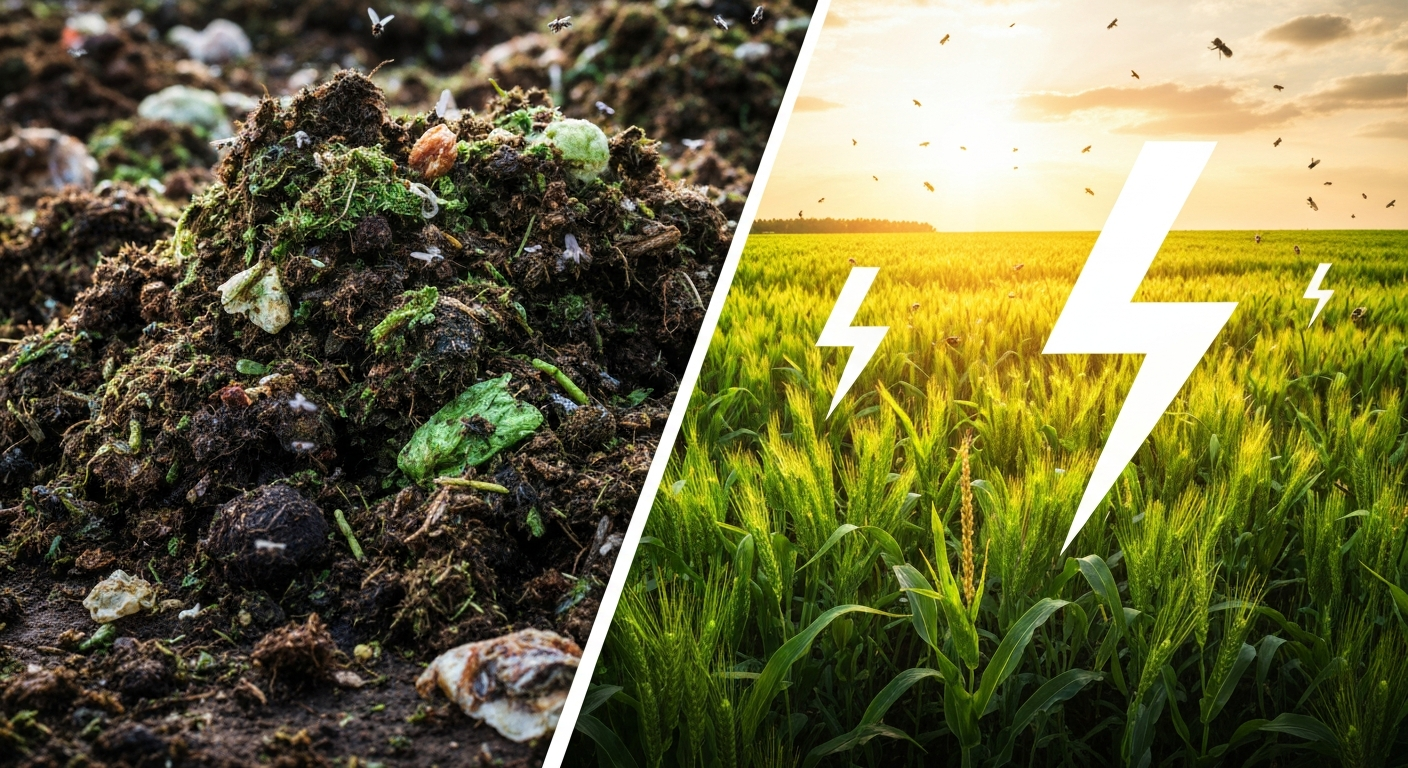
Environmental Concerns and Challenges with Poultry Sludge Disposal
While poultry sludge has potential, its improper disposal poses serious environmental issues and challenges. If not managed correctly, this waste can have a significant negative environmental impact, affecting everything from local ecosystems to human health. The sheer volume and potent nature of the sludge mean that careless handling is not an option.
The following sections will explore these problems in detail. We will look at how poultry sludge can lead to water pollution and air pollution, the risks involved in its handling and storage, and the regulations you need to know to ensure safe disposal.
Impact on Local Air and Water Quality
When poultry sludge is left in open piles or applied incorrectly to land, it can cause severe water pollution. Rainwater runoff can carry excess nutrients like nitrogen and phosphorus into nearby streams, rivers, and ponds. This leads to eutrophication, a process where excessive algae growth depletes oxygen in the water, killing fish and other aquatic life. The runoff may also contain pathogens that contaminate drinking water sources.
The impact on air quality is just as concerning. Decomposing sludge releases large amounts of ammonia nitrogen, a gas that contributes to the foul odor associated with poultry farms. This odor can be a major nuisance for nearby communities.
Furthermore, the breakdown of organic matter in the sludge releases potent greenhouse gas emissions, particularly methane and nitrous oxide. These gases contribute to climate change and broader environmental pollution, highlighting the need for controlled and responsible management practices to protect both local and global environments.
Risks and Issues in Handling and Storing Sludge
Handling and storing raw poultry sludge presents several health hazards and environmental risks. Farmworkers and local residents can be exposed to pathogens like Salmonella and E. coli, which can cause serious illnesses. Additionally, the potential for antimicrobial resistance is a growing concern, as antibiotic residues in the waste can contribute to the development of resistant bacteria.
The environmental risks associated with improper storage are significant. Without proper containment, many problems can arise. Key issues include:
- Leachate from sludge piles seeping into the ground and contaminating soil and groundwater.
- The foul odor attracting pests like flies and rodents, which can spread diseases.
- The potential for disease transfer to other animals if scavengers access the waste.
- Continuous air pollution from the release of ammonia and other smelly gases.
These challenges underscore the absolute necessity of proper storage solutions. Using covered, contained systems is essential to prevent these issues and protect both public health and the environment from the dangers of untreated sludge.
Regulatory Guidelines for Safe Disposal in India
In India, the management of poultry farm sludge falls under broader regulatory guidelines for solid waste and environmental protection. Agencies like the Central Pollution Control Board (CPCB) have established rules to prevent pollution from agricultural activities. While not always specific to sludge, these regulations aim to control the impact of waste on air, water, and soil.
Typically, these regulatory requirements mandate that farms implement proper waste management practices. This includes having adequate storage facilities to prevent runoff and odor, as well as treating the waste before its final use or disposal. The goal is to encourage practices that recycle nutrients safely without causing environmental harm.
Non-compliance with these guidelines can lead to significant legal consequences, including fines and potential shutdown orders. Therefore, it is crucial for poultry farmers to be aware of and adhere to the environmental laws governing waste disposal to ensure their operations are both sustainable and legally sound.
Potential Uses and Benefits of Poultry Farm Sludge
The great news is that poultry farm sludge doesn’t have to be a liability. With the right approach, this waste can be transformed into a range of valuable products. From enriching agricultural land to powering your farm, the possibilities are both economically and environmentally beneficial.
In the next few sections, we will explore some of the most promising applications. You will learn how sludge can be used as a high-quality organic fertilizer, a source for renewable energy production, and a raw material for other value-added products.
Application as Organic Fertilizer
One of the most direct and beneficial uses of poultry farm sludge is as an organic fertilizer. Due to its high nutrient content and rich organic matter, treated sludge can significantly improve soil fertility. After undergoing a treatment process like composting or drying, it becomes a stable, nutrient-rich soil amendment.
Applying this fertilizer to your fields offers several advantages. Here are some of the key benefits:
- Enhances soil structure, improving water retention and aeration.
- Slowly releases essential nutrients like nitrogen and phosphorus, feeding crops over time.
- Reduces the need for expensive chemical fertilizers, lowering your input costs.
- Increases the organic matter in the soil, promoting a healthy microbial ecosystem.
However, it’s important to be aware of the risks. Applying raw, untreated sludge can introduce pathogens and heavy metals into the soil. Over-application can also lead to nutrient runoff and water pollution. Proper treatment and following a nutrient management plan are essential for safe and effective use.
Energy Generation and Biogas Potential
Poultry farm sludge is an excellent feedstock for renewable energy production, specifically through a process called anaerobic digestion. In this process, microorganisms break down the organic matter in the sludge in an oxygen-free environment, producing biogas. This biogas is primarily composed of methane, the main component of natural gas.
The biogas can be captured and used directly as a fuel for heating or cooking on the farm. Even better, it can be used to power a generator for electricity generation, helping to reduce your farm’s reliance on the grid and lower energy bills. This creates a closed-loop system where waste powers the operation.
The benefits are both economic and environmental. You gain a source of renewable energy, reduce disposal costs, and prevent the release of methane—a potent greenhouse gas—into the atmosphere. Anaerobic digestion transforms a polluting waste into a clean energy asset.
Converting Waste into Value-Added Products
Beyond fertilizer and energy, poultry sludge and other related wastes can be processed into a variety of valuable commercial products. Advanced rendering and processing technologies can separate and refine the components of poultry waste into useful organic materials, creating new revenue streams for your farm.
Some of the most popular value-added products that can be created from poultry waste include:
- Animal feed ingredients like protein-rich feather meal and poultry meal.
- Biodegradable plastics derived from the keratin in feathers.
- Bio-diesel produced from the fat rendered from poultry waste.
- High-quality, commercially bagged compost and soil conditioners.
The economic value of these products can be substantial. As technology continues to evolve, more opportunities are emerging to convert what was once considered waste into profitable and sustainable organic materials, turning your waste management center into a profit center.
Proper Storage and Containment of Poultry Waste
A cornerstone of any effective poultry waste management plan is proper storage and containment. Simply piling waste in an open area is a recipe for environmental problems and health risks. To protect both human health and the environment, you need structures designed to securely hold waste between treatment or disposal cycles. Best practices include using covered concrete pits or lined lagoons that are leak-proof. This prevents harmful substances from seeping into the ground and causing soil and water pollution.
Containment is not just about preventing leaks; it’s also about controlling odors and preventing access by pests. A well-designed storage system minimizes the release of smelly gases and keeps flies, rodents, and other disease-carrying animals away from the waste. By investing in proper storage, you take a critical first step in transforming poultry waste from a hazard into a manageable resource, all while safeguarding your farm and community.
Land Application and Recycling of Poultry Waste
Recycling poultry waste through land application is a time-honored practice that returns valuable nutrients to the soil. When managed correctly, spreading treated poultry manure on agricultural land can dramatically improve soil fertility. The high organic matter content enhances soil structure, while the rich nutrient content provides essential food for crops. This practice reduces the need for synthetic fertilizers, saving you money and promoting a more sustainable farming cycle.
However, careful management is key. The goal is to apply the waste at a rate that meets crop needs without exceeding the soil’s capacity to absorb the nutrients. Over-application can lead to the same environmental problems as improper disposal, such as nutrient runoff polluting nearby waterways. Developing a nutrient management plan, which includes soil testing and calibrating spreader equipment, is essential to reap the benefits of land application without causing harm.
Rendering and Value-Added Product Creation from Poultry Waste
Rendering is a powerful process that transforms organic waste from poultry processing into stable, high-value commodities. This method uses heat to cook and break down materials like offal, bones, feathers, and dead birds, separating them into fat, protein, and water. This not only disposes of potentially hazardous waste safely but also recovers valuable resources that would otherwise be lost.
The products of rendering are in high demand across several industries. The protein solids are processed to create products like feather meal and poultry by-product meal, which are nutritious ingredients in animal feed and pet food. The recovered fats can be used in livestock feed or for industrial applications, including the production of biodiesel. By incorporating rendering into your waste management strategy, you can turn a cost center for disposal into a profitable venture that creates useful products from organic waste.
Sludge Drying Technologies: Comparing Methods
Drying is one of the most effective steps in managing poultry sludge. By removing water, you dramatically reduce the volume and weight of the solid waste, making it cheaper to transport and easier to store. Dried sludge is also more stable, has significantly less odor, and is in a perfect form for use as fertilizer or as a fuel for energy production.
But not all drying technologies are created equal. The methods available range from simple, traditional approaches to highly advanced mechanical systems. Let’s compare these different approaches to see which one makes the most sense for a modern poultry operation.
Traditional Drying Approaches
Traditional methods for drying sludge, such as open-air beds and solar drying, have been used for years primarily due to their low initial cost. These approaches rely on sunlight and natural air circulation to evaporate the water from the sludge. You simply spread the wet material in a thin layer and let nature do the work.
However, these methods come with significant drawbacks. They are highly dependent on the weather, making them unreliable in rainy or humid climates. They also require a very large land area to process a significant volume of waste, which can be a major issue for farms with limited space.
Furthermore, traditional drying is a slow process that can take weeks, during which the decomposing sludge continues to release foul odors and attract pests. While the energy consumption is low, the inefficiencies in time, space, and environmental control make these methods less suitable for large-scale, professional poultry operations.
Advanced Mechanical Drying Systems
To overcome the limitations of traditional methods, advanced mechanical drying systems offer a much more controlled and efficient solution. These technologies use machinery to accelerate the drying process, providing consistent results regardless of weather conditions. They are designed for high throughput and a much smaller footprint, saving valuable farm space.
Compared to traditional drying, mechanical systems offer superior speed, processing large volumes of sludge in hours instead of weeks. This rapid drying minimizes odor issues and creates a more stable, uniform end product. Many modern systems are also designed for high energy efficiency, sometimes recovering heat to reduce overall operational costs.
Among the most effective of these systems is the paddle dryer. This technology has emerged as a leading choice in modern waste management practices due to its reliability, efficiency, and ability to handle the unique challenges of poultry sludge.
Paddle Dryer Technology Overview
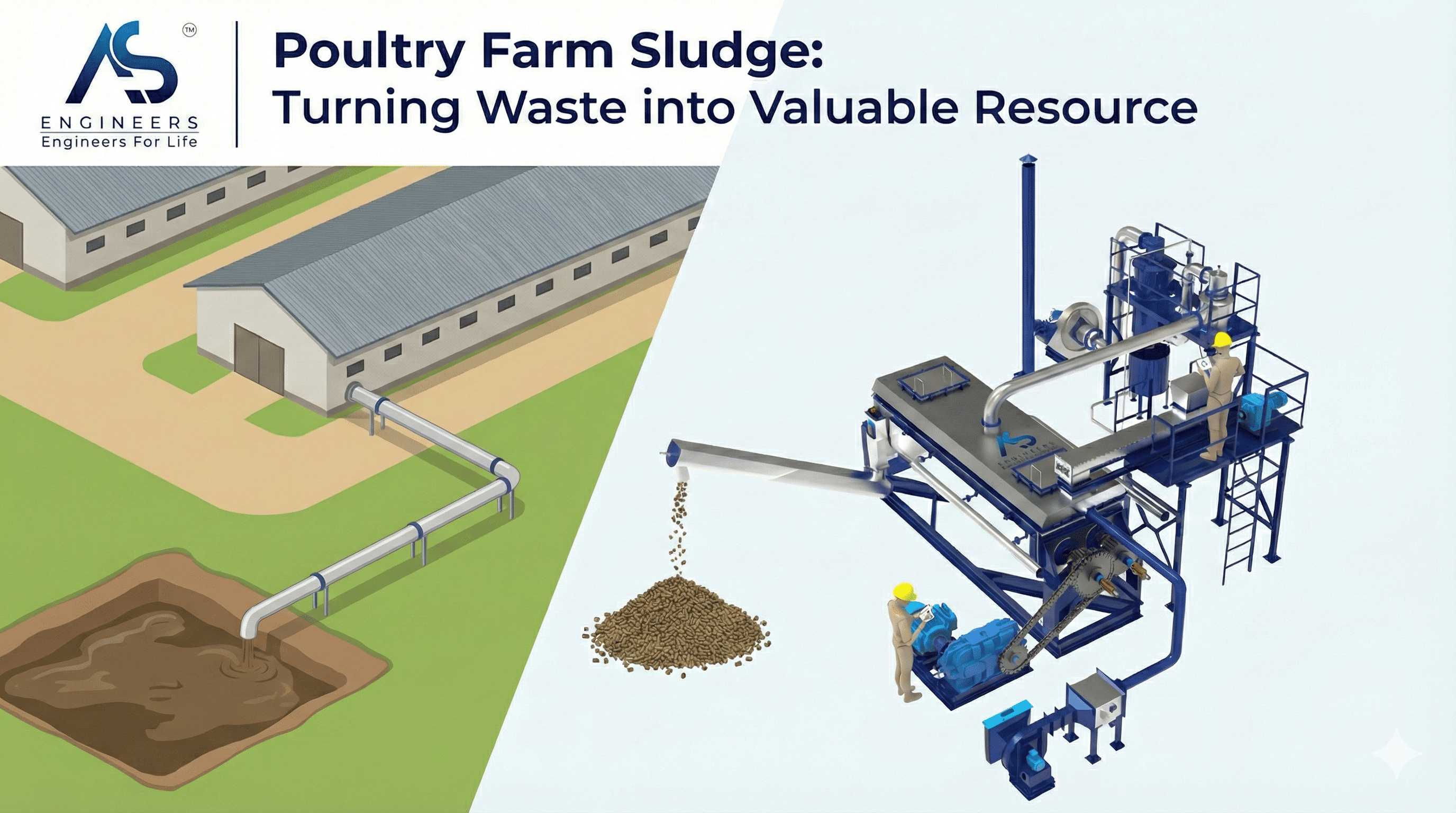
A paddle dryer is an indirect-heat dryer that works by moving heated, wedge-shaped paddles through the sludge. The system consists of a trough containing rotating shafts with these paddles attached. A heating medium, like steam or hot oil, circulates through the hollow paddles and the jacket of the trough, transferring heat to the sludge without direct contact with it.
This design provides excellent process efficiency. The constant agitation from the paddles ensures that all the sludge is uniformly heated and dried, preventing hot spots and creating a consistent final product. Because it’s an enclosed system, it effectively contains dust and odors, significantly reducing the environmental impact compared to open-air methods.
The technology is particularly well-suited for poultry farm sludge due to its ability to handle sticky, high-moisture materials. Its high thermal efficiency and potential for energy recovery make it a cost-effective and environmentally responsible choice for modern sludge drying operations.
Paddle Dryers: The Best Solution for Poultry Sludge Management
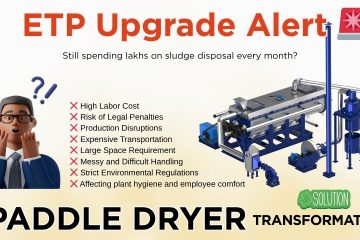
When you look at all the options, it becomes clear that paddle dryers stand out as the superior technology for poultry sludge management. They effectively address the biggest challenges of sludge—high moisture, strong odor, and large volume—in a single, efficient process. This makes them a smart investment for any poultry farmer serious about environmental protection.
The operational, economic, and environmental advantages are undeniable. By choosing a paddle dryer, you are not just disposing of waste; you are investing in a system that improves process efficiency, protects your local environment, and adds value to your operation.
Advantages of Paddle Dryer Over Conventional Systems
Paddle dryers offer a host of advantages that make traditional drying methods seem obsolete. The most significant benefits revolve around efficiency, control, and environmental performance, leading to a better return on your investment and a cleaner operation.
Compared to older systems, paddle dryers provide a more consistent and reliable result. The enclosed, automated process is not affected by weather and requires far less manual labor. Here are some of the main advantages you can expect:
- Greater energy efficiency: The indirect heating method uses less energy, which directly translates to lower operational costs.
- Compact footprint: These systems require significantly less land than traditional drying beds, freeing up space for other farm activities.
- Superior odor control: The enclosed design traps and contains foul odors, preventing them from impacting your workers and neighbors.
- High-quality output: The uniform drying process produces a consistent, pathogen-free granular product ideal for fertilizer or fuel.
Ultimately, the user-friendliness and dependable results of a paddle dryer make it a smarter, more professional choice for managing poultry sludge.
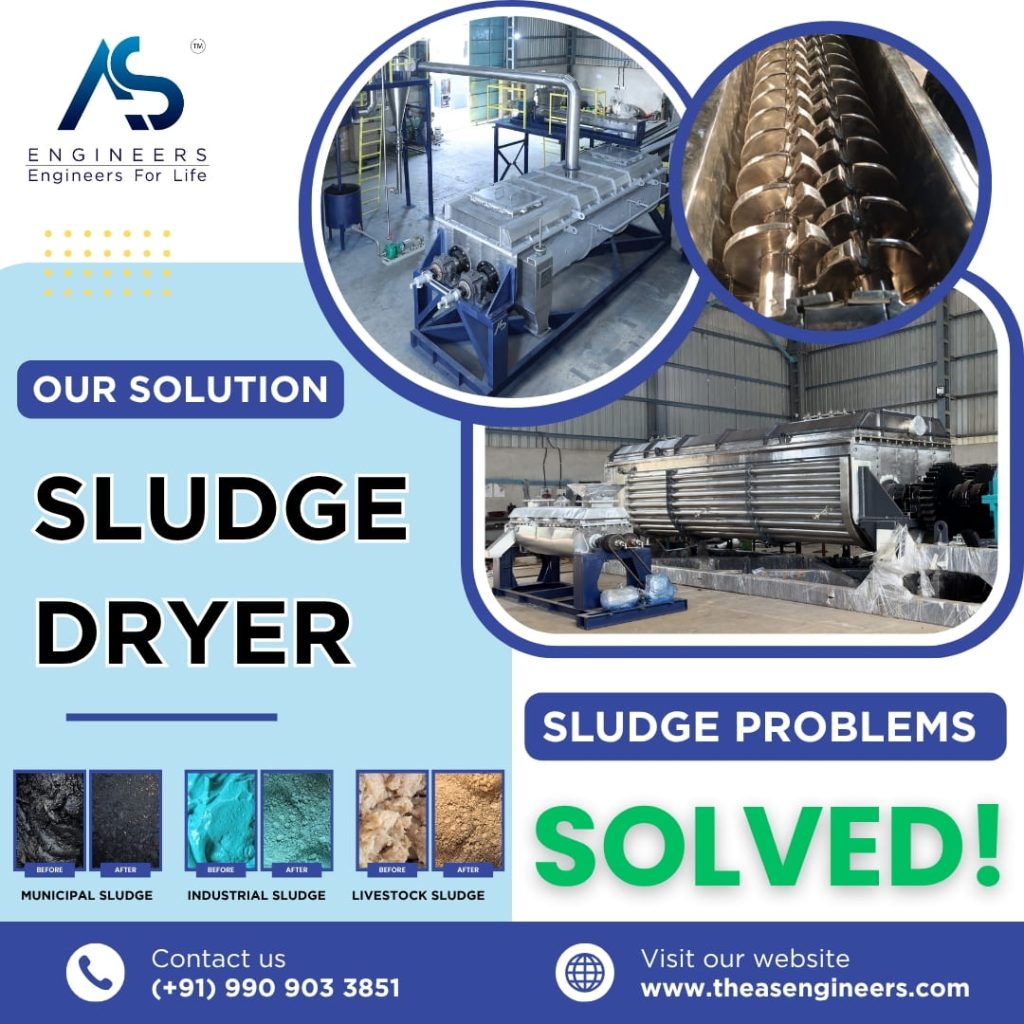
Efficient Drying, Reduced Odor & Lower Environmental Impact
One of the most praised features of a paddle dryer is its ability to minimize the environmental impact of sludge management. By design, the enclosed system directly tackles the problems of air pollution and odor that plague traditional methods. The vapors and gases released during drying are contained, allowing them to be collected and treated before being released.
This has a profoundly positive effect on both your farm’s footprint and community relations. The key environmental benefits include:
- Drastic odor reduction: By containing smelly compounds like ammonia, you eliminate a major source of conflict with nearby residents.
- Lower greenhouse gas emissions: The controlled process prevents the uncontrolled release of methane, a potent greenhouse gas.
- Significant energy savings: High thermal efficiency means a smaller carbon footprint compared to other mechanical dryers.
- Safe end-product: The high-heat process sterilizes the sludge, creating a safe, pathogen-free material.
These advantages demonstrate that a paddle dryer is not just a piece of equipment but a comprehensive solution for responsible and sustainable poultry waste management.
Role of AS Engineers as Sludge and Paddle Dryer Manufacturer
When it comes to implementing this advanced technology, choosing the right partner is crucial. AS Engineers has established itself as an industry leader and a premier sludge dryer manufacturer, specializing in innovative drying solutions for challenging materials like poultry sludge. Their expertise in process solutions ensures you get a system that is perfectly tailored to your farm’s specific needs.
Through continuous innovation, AS Engineers has refined its paddle dryer technology to maximize efficiency and reliability. Their systems are designed for robust, long-term operation, helping poultry farmers across India turn their waste management challenges into profitable opportunities. They understand the unique properties of poultry waste and deliver equipment that performs under real-world conditions.
By providing state-of-the-art equipment, AS Engineers plays a vital role in advancing poultry waste management practices. To explore how their advanced technology can benefit your operation, you can learn more about their offerings. As a leading paddle dryer manufacturer, they provide the process solutions you need to manage waste effectively. Visit their page to learn more: https://theasengineers.com/products/paddle-dryer/sludge-dryer-manufacturer/
Types and Sources of Poultry Waste (Beyond Sludge)
While sludge is a major component, the term poultry waste encompasses a wider variety of materials generated on a farm. Understanding these different types is important for creating a comprehensive waste management plan. For example, in cage-based layer systems, you get nearly pure chicken manure without the bedding material.
Other significant sources of waste include hatcheries, which produce hatchery waste consisting of infertile eggs, eggshells, and culled chicks. Processing plants generate offal, blood, and feathers, which can be processed into feather meal. Finally, the unfortunate reality of farming is the occasional mortality of dead birds, which must be disposed of hygienically.
Each of these waste streams has different characteristics and requires specific handling. An integrated approach that addresses all types of poultry waste is the most effective way to manage your farm’s environmental footprint and unlock the full value of these byproducts.
Advanced and Alternative Poultry Waste Treatment Technologies
Beyond drying, several other advanced and alternative waste treatment technologies are available to help you manage poultry waste. The composting process is a popular aerobic method that turns poultry litter and sludge into a stable, nutrient-rich soil conditioner. It’s a relatively simple and cost-effective way to handle solid waste.
For a more energy-focused approach, anaerobic digestion is an excellent option. This process not only treats the waste but also produces biogas, a renewable energy source. Other advanced technologies include gasification and pyrolysis, which use high heat in a low-oxygen environment to convert waste into biochar and syngas, a fuel gas. Incineration is another method that drastically reduces waste volume while generating heat and energy.
Each of these technologies offers unique benefits for resource recovery and waste reduction. Choosing the right one depends on your farm’s scale, goals, and local regulations, but all contribute to mitigating climate change and promoting a circular economy.
Economic and Social Benefits of Poultry Waste Management
Effective poultry waste management offers far more than just environmental compliance; it brings substantial economic and social benefits. A thorough economic analysis reveals direct financial gains for poultry farmers. By converting waste into products like organic fertilizer or biogas, you create new revenue streams and reduce operational costs for disposal and energy.
The social impact is equally important. Proper waste management drastically reduces foul odors and the presence of pests, leading to a healthier environment and better relationships with surrounding communities. A clean, well-managed farm improves the quality of life for everyone nearby and enhances the public image of the poultry industry.
Furthermore, the development of a waste-to-value industry creates new job opportunities in rural areas, from operating treatment facilities to marketing the final products. These benefits demonstrate that investing in good waste management is an investment in the long-term prosperity and sustainability of both your farm and your community.
Frequently Asked Questions
Can poultry farm sludge be safely used as fertilizer in India?
Yes, poultry farm sludge can be safely used as fertilizer in India, provided it is properly processed and treated to eliminate pathogens and contaminants. Adhering to regulations and guidelines ensures its safe application, enriching soil while minimizing environmental risks.
What regulations guide the disposal of poultry sludge?
Regulations for poultry sludge disposal typically include compliance with environmental protection laws, guidelines from agencies like the EPA, and local health regulations. Key considerations involve nutrient management plans and ensuring that disposal methods mitigate contamination risks to soil and water resources.
How do paddle dryers help reduce environmental impact from sludge?
Paddle dryers effectively minimize the environmental impact of sludge by reducing its volume and moisture content. This process not only facilitates easier handling and disposal but also converts waste into a valuable resource, promoting sustainability in poultry farming practices.
Conclusion
In conclusion, managing poultry farm sludge effectively not only addresses environmental concerns but also transforms waste into a valuable resource. Paddle dryers stand out as the ideal solution, offering efficient drying capabilities while minimizing odor and environmental impact. By choosing advanced technology from leading manufacturers like AS Engineers, you can ensure sustainable practices that benefit both your farm and the community. Embracing these innovative solutions will help you contribute to a cleaner environment and unlock new opportunities for resource utilization. Start implementing these strategies today and watch your sludge management processes thrive!