What Is Sludge? Direct Answer for Plant Teams
What is sludge? Sludge is the wet, semi-solid residue left after solids separate from wastewater, process water, sewage, or industrial effluent. In an ETP, STP, CETP, or wastewater treatment plant, sludge is not just mud. It is a mixture of water, organic matter, suspended solids, microorganisms, chemicals, salts, and sometimes hazardous contaminants.
For plant teams, the practical question is not only “what is sludge?” The real question is: how wet is it, what does it contain, how sticky is it, and what treatment route will make it safer, lighter, easier to handle, and suitable for disposal or reuse?
At site level, sludge creates four common problems: storage space, odor, handling difficulty, and transport cost. Wet sludge may look simple, but it behaves differently from plant to plant. Textile sludge, biological sludge, sewage sludge, chemical sludge, and ZLD sludge can all need different handling, drying, and pollution-control planning.
That is why a serious sludge management plan must begin with sludge identification, moisture testing, and disposal-route clarity.
Where Does Sludge Come From?
Sludge comes from wastewater treatment, sewage treatment, industrial effluent treatment, water purification, and process residue separation. The source matters because it decides the risk level, moisture behavior, treatment method, and final disposal option.
Municipal plants mainly generate sewage sludge from domestic wastewater. Industrial plants generate ETP sludge from manufacturing effluent. CETPs receive mixed effluent from many industries, so their sludge can be more variable and harder to predict.
Common sludge sources include:
- STP sludge: Generated from sewage treatment plants, usually rich in organic matter and biological solids. For more detail, see this guide on municipal sludge.
- ETP sludge: Generated from effluent treatment plants in textile, chemical, pharma, food, paper, and manufacturing facilities. This is closely related to industrial sludge.
- Biological sludge: Produced from biological treatment stages where microorganisms digest organic load. Read more on biological sludge.
- Chemical sludge: Formed after coagulation, precipitation, neutralization, or chemical treatment. See this guide on chemical sludge treatment.
- Hazardous sludge: Generated when sludge contains toxic chemicals, heavy metals, solvents, or regulated contaminants. This needs stricter testing and handling, as explained in hazardous sludge.
A common buyer mistake is treating all sludge as the same material. On the shop floor, two sludge samples with the same moisture percentage can behave very differently during conveying, feeding, drying, and discharge.
What Is Sludge Made Of?
Sludge is usually made of water, suspended solids, organic matter, microbes, chemicals, salts, grit, and treatment additives. Some sludge may also contain oil, grease, heavy metals, dyes, solvents, pathogens, or high ash content.
This composition affects every downstream decision. High organic sludge may suit digestion, composting, or fuel evaluation if permitted. High chemical or hazardous sludge may need secure disposal, controlled drying, or pollution-control equipment.
A practical sludge assessment should check:
- Moisture content
- pH
- Volatile solids
- Ash content
- Calorific value, where fuel use is being evaluated
- Heavy metals or hazardous contaminants
- Stickiness and cake structure
- Odor and gas release
- Particle size and grit content
- Disposal or reuse restrictions
For dryer selection, physical behavior matters as much as lab chemistry. Sticky sludge can bridge in hoppers, overload feeders, coat shafts, or discharge in lumps if the system is not designed around the actual feed condition.
Why Is Sludge Management Important?
Sludge management is important because wet sludge is heavy, difficult to store, costly to transport, and risky to dispose of without proper treatment. Good management reduces volume, improves hygiene, supports compliance, and can open reuse routes where the sludge quality allows it.
Plants usually feel the sludge problem in daily operations before they see it in reports. Wet sludge occupies floor area, smells during storage, attracts complaints, and adds repeated vehicle movement for disposal.
A good sludge management guide should connect treatment, dewatering, drying, storage, transport, and disposal into one decision chain. If one step is weak, the next step becomes expensive.
| Sludge Decision Point | Why It Matters | Buyer Risk if Ignored | Practical Action |
|---|---|---|---|
| Source identification | Defines sludge type and risk | Wrong treatment route | Separate STP, ETP, CETP, and process sludge records |
| Moisture level | Controls weight and handling cost | High transport and storage load | Test before dewatering and drying decisions |
| Composition | Affects disposal or reuse | Regulatory or buyer rejection | Check contaminants, organics, ash, and metals |
| Stickiness | Affects feeding and dryer operation | Choking, uneven drying, downtime | Run material behavior checks or pilot trial |
| End route | Defines final moisture target | Overdrying or underdrying | Confirm landfill, incineration, fuel, cement, brick, or fertilizer route |
| Pollution control | Controls odor, vapor, and fines | Site complaints or unsafe operation | Plan cyclone, scrubber, bag filter, condenser, or chimney as needed |
Sludge management should never be decided only from a brochure specification. It must be matched to feed condition, plant layout, utility availability, and the approved disposal or reuse route.
How Is Sludge Treated Before Drying or Disposal?
Sludge treatment usually includes thickening, stabilization, dewatering, drying, and final disposal or reuse. Not every plant needs every step, but most plants need a clear sequence to reduce moisture, odor, handling difficulty, and disposal risk.
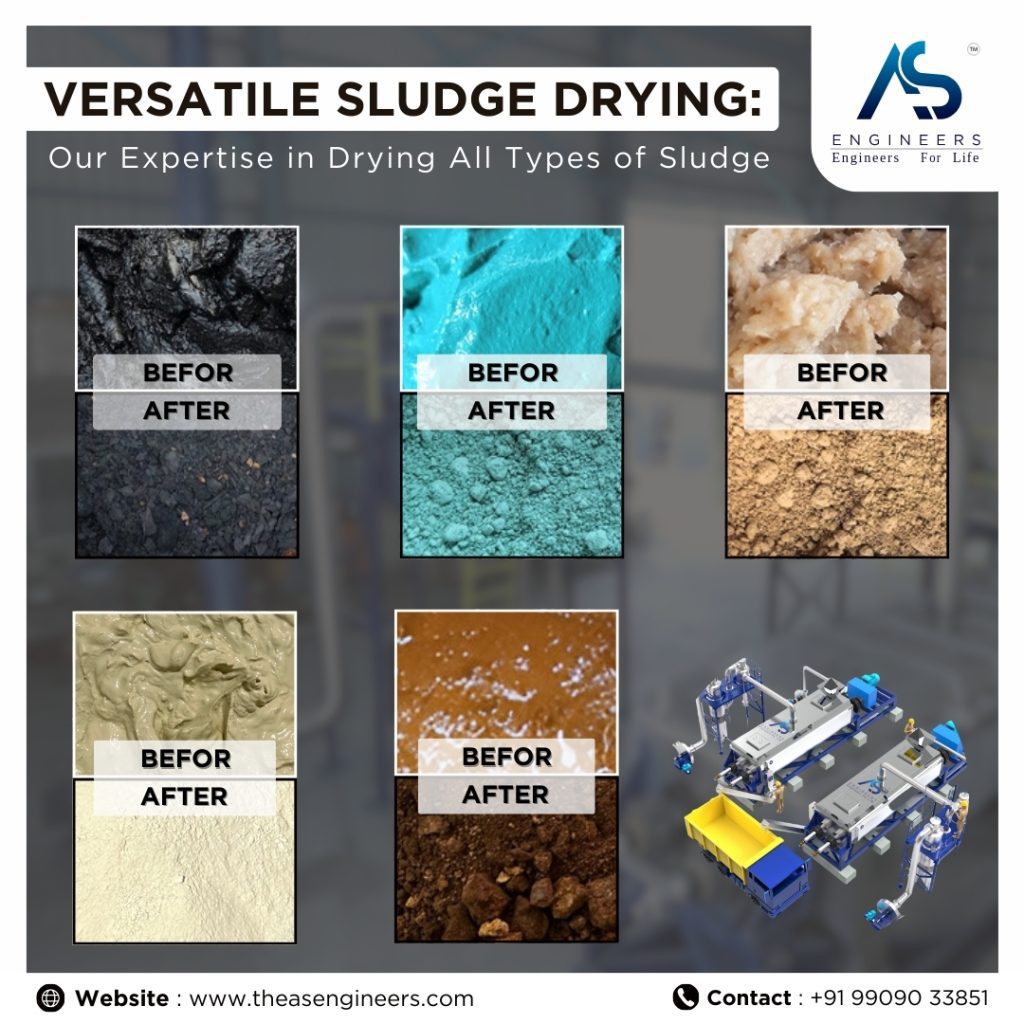
Thickening reduces free water and makes sludge easier to handle. Stabilization reduces odor and biological activity. Dewatering converts liquid sludge into wet cake. Drying further removes moisture so the sludge becomes lighter, more stable, and easier to transport or evaluate for reuse.
Typical sludge treatment stages are:
- Thickening: Gravity thickener, DAF, or other equipment concentrates solids.
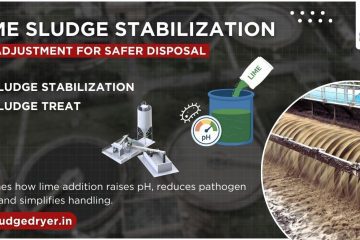
- Conditioning: Polymer, lime, or chemical dosing improves separation or stability.
- Dewatering: Belt press, centrifuge, screw press, or filter press removes water mechanically. This guide on sludge dewatering techniques explains the stage in more depth.
- Thermal drying: A dryer removes additional moisture after dewatering, especially when disposal cost, storage, or reuse is the main issue.
- Final handling: Dried sludge may go to landfill, incineration, cement, brick, fertilizer, composting, or other approved routes depending on testing and local rules.
Dewatering and drying are not the same. Dewatering removes water mechanically and usually leaves a wet cake. Drying uses heat to reduce moisture further and improve volume reduction, handling, and transport economics.
When Does Sludge Drying Become Necessary?
Sludge drying becomes necessary when dewatered sludge is still too wet, heavy, odorous, costly to transport, or unsuitable for the intended disposal route. Drying is especially relevant for ETP sludge, STP sludge, CETP sludge, ZLD sludge, and waste-to-value projects.
A sludge drying methods and systems review should begin with the final target. If the plant only needs reduced hauling weight, the moisture target may be different from a plant preparing sludge for incineration, cement co-processing, brick making, or fertilizer evaluation.
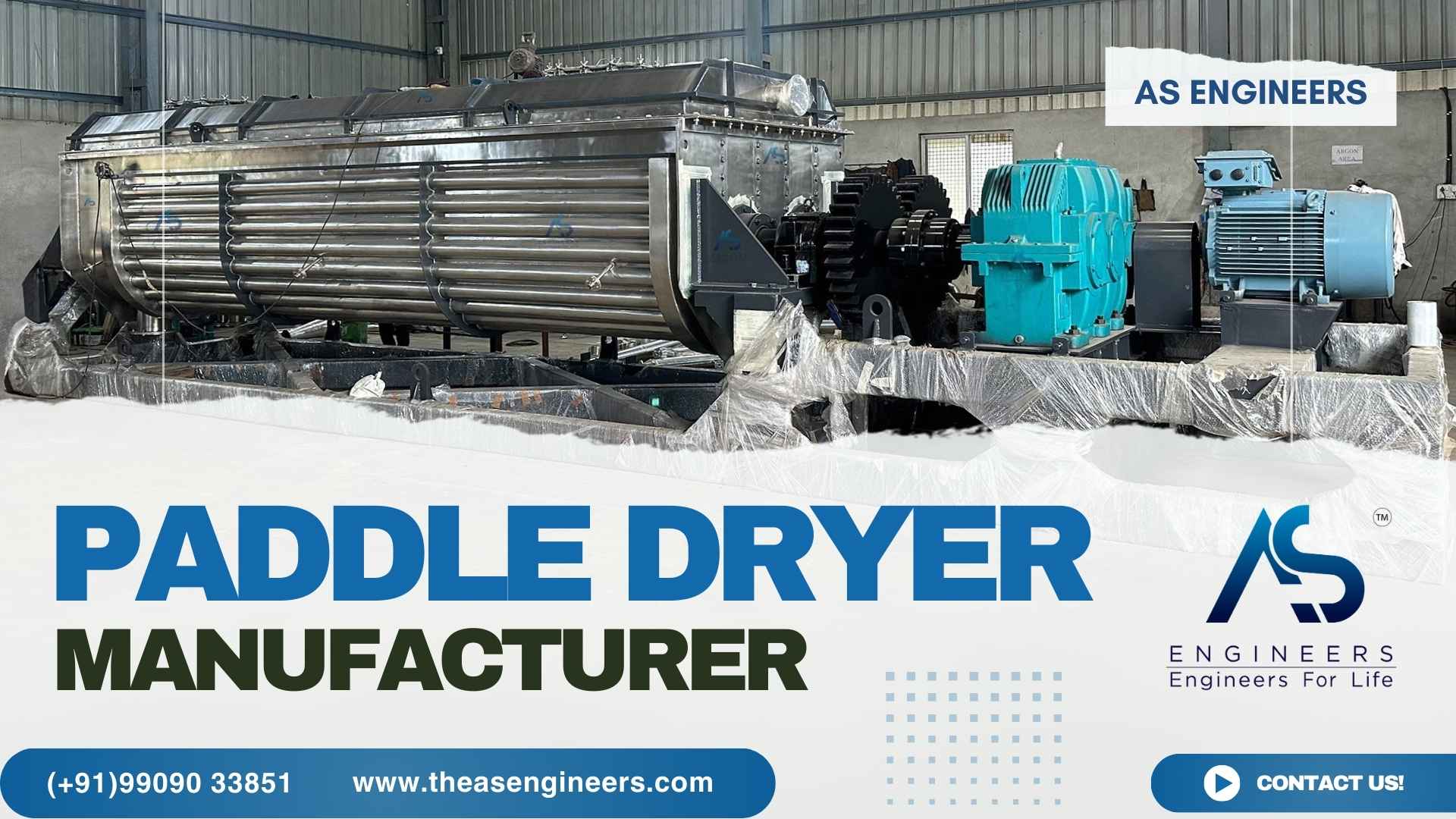
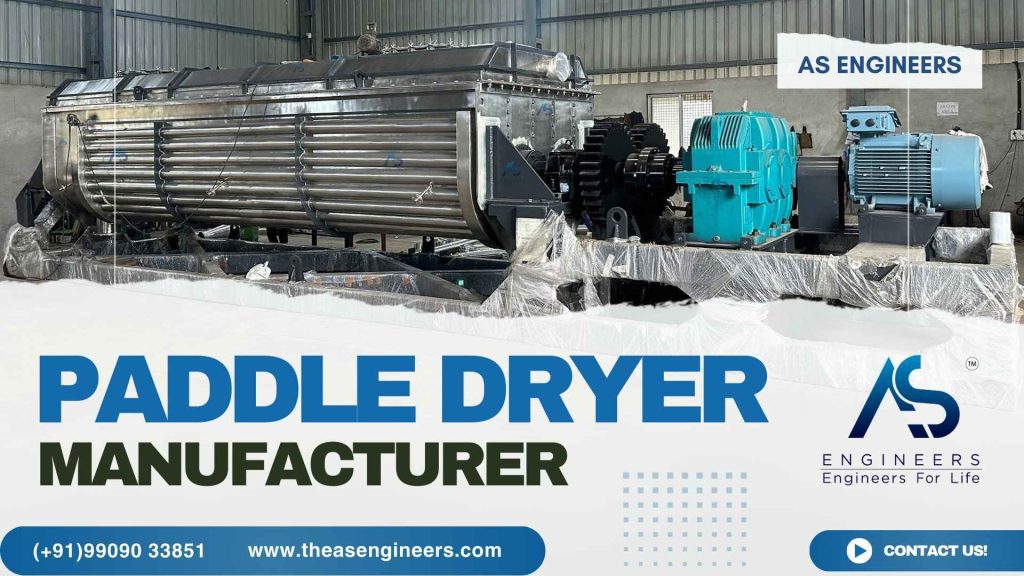
AS Engineers’ paddle dryers for sludge drying use indirect heat transfer through hollow shafts and a heated jacket. This type of system is useful where sticky sludge, controlled residence time, lower off-gas volume, and enclosed operation are important.
A practical drying system also needs feeding, heating, scavenging, pollution control, vapor handling, and dry product handling. A useful reference on sludge drying and paddle dryer technology explains why sludge drying is not only one machine, but a full process line.
What Is the Difference Between Dewatering and Drying?
Dewatering removes water by mechanical separation, while drying removes moisture by heat. Dewatering is normally the first reduction step. Drying is used when the remaining wet cake is still too costly or difficult to manage.
A centrifuge, screw press, belt press, or filter press can reduce free water. But after dewatering, sludge may still be heavy, sticky, smelly, and hard to store. Thermal drying reduces moisture further and can convert the sludge into a more manageable form.
For many plants, the right question is not “dewatering or drying?” The better question is “how should dewatering and drying work together?” The answer depends on incoming moisture, cake consistency, fuel cost, disposal charges, available space, and final use.
For deeper process comparison, see sludge dewatering and drying. AS Engineers also explains equipment context in paddle dryer for wastewater treatment.
How Should a Plant Choose the Right Sludge Route?
A plant should choose the sludge route by testing sludge composition, confirming the legal disposal option, checking moisture reduction needs, and matching equipment to actual feed behavior. A route that works for one plant may fail in another plant with different sludge chemistry.
For example, biological sludge may need odor control and hygiene planning. Chemical sludge may need testing for hazardous constituents. Textile sludge may be sticky and color-loaded. ZLD sludge may contain salts and require careful material selection.
A good route selection process should ask:
- Is the sludge hazardous or non-hazardous?
- Is the current cake too wet for transport?
- Is the plant paying by weight or volume?
- Is there a possible approved reuse route?
- Is the sludge sticky, abrasive, corrosive, or solvent-bearing?
- Is steam, thermic fluid, gas, LDO, coal, wood, electricity, or another utility available?
- Does the site have space for feeding, dryer access, discharge, and pollution control?
The safest approach is to run a pilot trial when sludge behavior is uncertain. AS Engineers offers a 50 kg/hr pilot trial option for evaluating performance, identifying process issues, and checking feasibility before full-scale selection.
What Role Does Paddle Dryer Technology Play in Sludge Treatment?
Paddle dryer technology helps reduce sludge moisture through indirect heat transfer, agitation, and controlled residence time. It is often used after dewatering, when sludge cake needs further volume reduction and easier handling.
In an AS Engineers paddle dryer system, heat is transferred through hollow shafts and a heated jacket. Dual counter-rotating shafts with wedge-shaped paddles mix and move the sludge while helping expose wet material to heated surfaces. The enclosed design also helps manage vapor, odor, and off-gas volumes with suitable downstream systems.
A paddle sludge dryer should not be selected only by nameplate capacity. Feed moisture variation, sludge stickiness, shaft torque, heating medium, residence time, discharge behavior, and maintenance access all affect real performance.
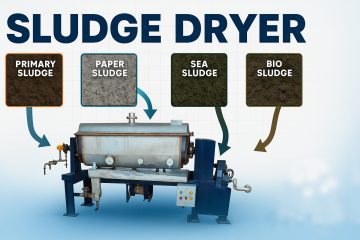
AS Engineers’ sludge dryer systems can be engineered with supporting equipment such as feeding systems, heating systems, cyclone separators, scrubbers, bag filters, condensers, ID fans, FD blowers, conveyors, silos, or bagging systems as required by the application. For broader application context, see sludge dryers for industries.
FAQs
1. Is sludge the same as sewage?
No. Sewage is wastewater from homes, commercial buildings, or other sources. Sludge is the semi-solid material separated from sewage or wastewater during treatment. Sludge can also come from industrial effluent, chemical processes, water treatment, and ZLD systems.
2. Is all sludge hazardous?
No. Not all sludge is hazardous, but every sludge stream should be tested before disposal or reuse. Sludge may contain pathogens, salts, heavy metals, chemicals, oils, dyes, or organic matter depending on its source. Hazardous sludge needs stricter handling and approved disposal.
3. Why is sludge difficult to handle after dewatering?
Dewatered sludge can still contain significant moisture and may remain sticky, odorous, bulky, or unstable. It may bridge inside hoppers, stick to conveyors, or create hygiene issues in storage. Drying can reduce moisture further and improve handling, but only after checking sludge behavior and the final disposal route.
4. Can dried sludge be reused?
Dried sludge can sometimes be evaluated for use in cement, brick, fertilizer, composting, fuel, or incineration routes. Reuse depends on sludge composition, calorific value, ash, contaminants, and local approval. No plant should assume reuse is allowed without testing and regulatory confirmation.
5. How do I know whether my plant needs a sludge dryer?
Your plant may need a sludge dryer if wet sludge transport, storage, odor, disposal cost, or final moisture limits are creating operational pressure. A dryer selection should begin with moisture testing, sludge composition, utility availability, and disposal-route confirmation. A pilot trial is useful when feed behavior is uncertain.
Closing
If your plant is handling wet ETP, STP, CETP, or ZLD sludge and wants to reduce moisture before disposal or reuse evaluation, AS Engineers can review your sludge characteristics, utility options, layout constraints, and drying goals. Share your sludge details with the AS Engineers contact team for a practical drying-route discussion before final equipment selection.