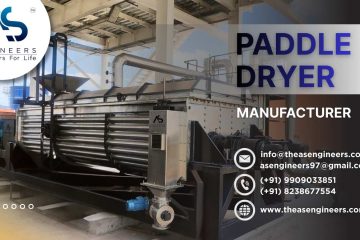
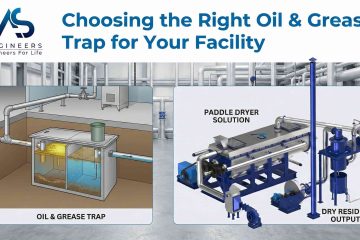
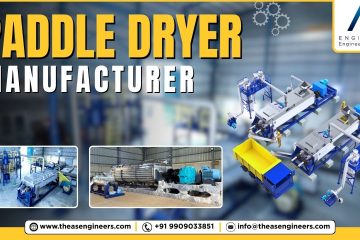
Wet sludge drying is used when ETP, STP, CETP or industrial sludge remains too wet, heavy and difficult to handle after normal treatment. The goal is simple: remove additional moisture so the sludge becomes easier to store, convey, transport, dispose or reuse. The right wet sludge drying system depends on sludge type, feed moisture, final moisture target, stickiness, heating utility, vapour handling, pollution-control needs and the final use of dried solids.
For many plants, drying is not the first treatment step. It usually comes after thickening and mechanical dewatering, when the remaining moisture still creates high disposal weight, odour problems, space pressure or poor handling.
What wet sludge drying means in plant operation
Wet sludge drying is the controlled removal of water from sludge generated by wastewater or process treatment. This sludge may come from:
- Effluent Treatment Plants, ETPs
- Sewage Treatment Plants, STPs
- Common Effluent Treatment Plants, CETPs
- Zero Liquid Discharge, ZLD, systems
- Chemical, pharma, textile, food, paper, dye, petroleum, refinery or municipal treatment plants
Wet sludge can behave like slurry, paste, sticky cake or semi-solid waste depending on moisture content, organic matter, chemicals, salts, fibres, oils, polymers and treatment chemistry.
That is why the correct question is not only “Which dryer is best?” The better question is:
What final sludge condition does the plant need, and what process route can reach it safely and economically?
Where drying fits in the sludge treatment line
A practical wet sludge treatment and drying line usually follows this sequence:
| Stage | Purpose | Practical buyer note |
|---|---|---|
| Sludge generation | Solids are separated from wastewater or process effluent | Sludge source affects odour, contaminants, stickiness and reuse possibility |
| Thickening | Removes part of free water and increases solids concentration | Reduces load before dewatering or drying |
| Conditioning | Polymer, lime or other conditioning may be used where required | Conditioning affects feed behaviour inside dryer |
| Mechanical dewatering | Converts liquid sludge into wet cake or semi-solid sludge | Often done by filter press, screw press, belt press or centrifuge |
| Thermal drying | Removes additional moisture that dewatering cannot practically remove | Used when disposal weight, storage, hygiene or reuse target requires lower moisture |
| Vapour and fines handling | Controls evaporated moisture, odour, fumes and fine particles | Needs cyclone, scrubber, bag filter, condenser or chimney based on duty |
| Dried solids handling | Conveying, cooling, bagging, silo storage, truck loading or reuse | Final handling depends on moisture, temperature and disposal route |
For related background, link this page to sludge drying methods and systems and sludge dewatering techniques.
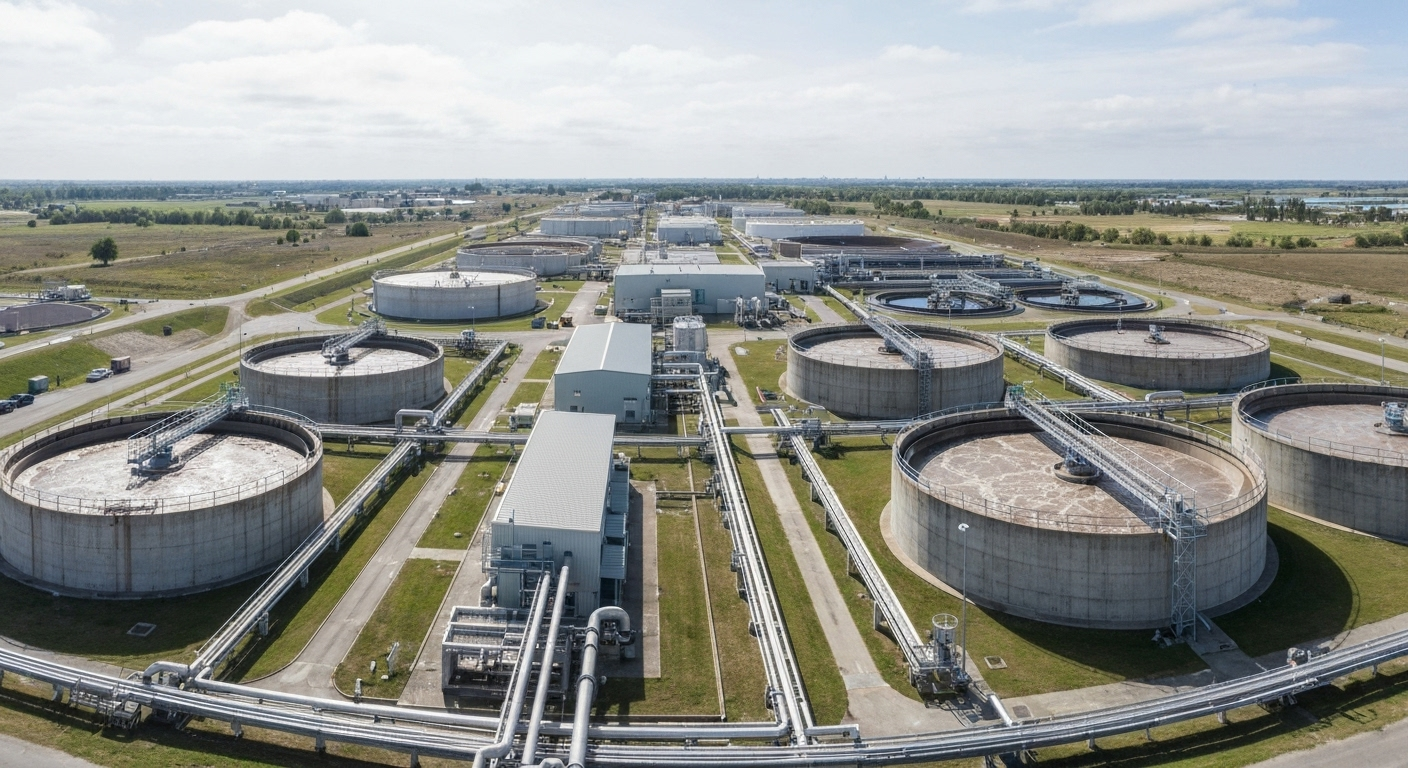
Why wet sludge creates high operating cost
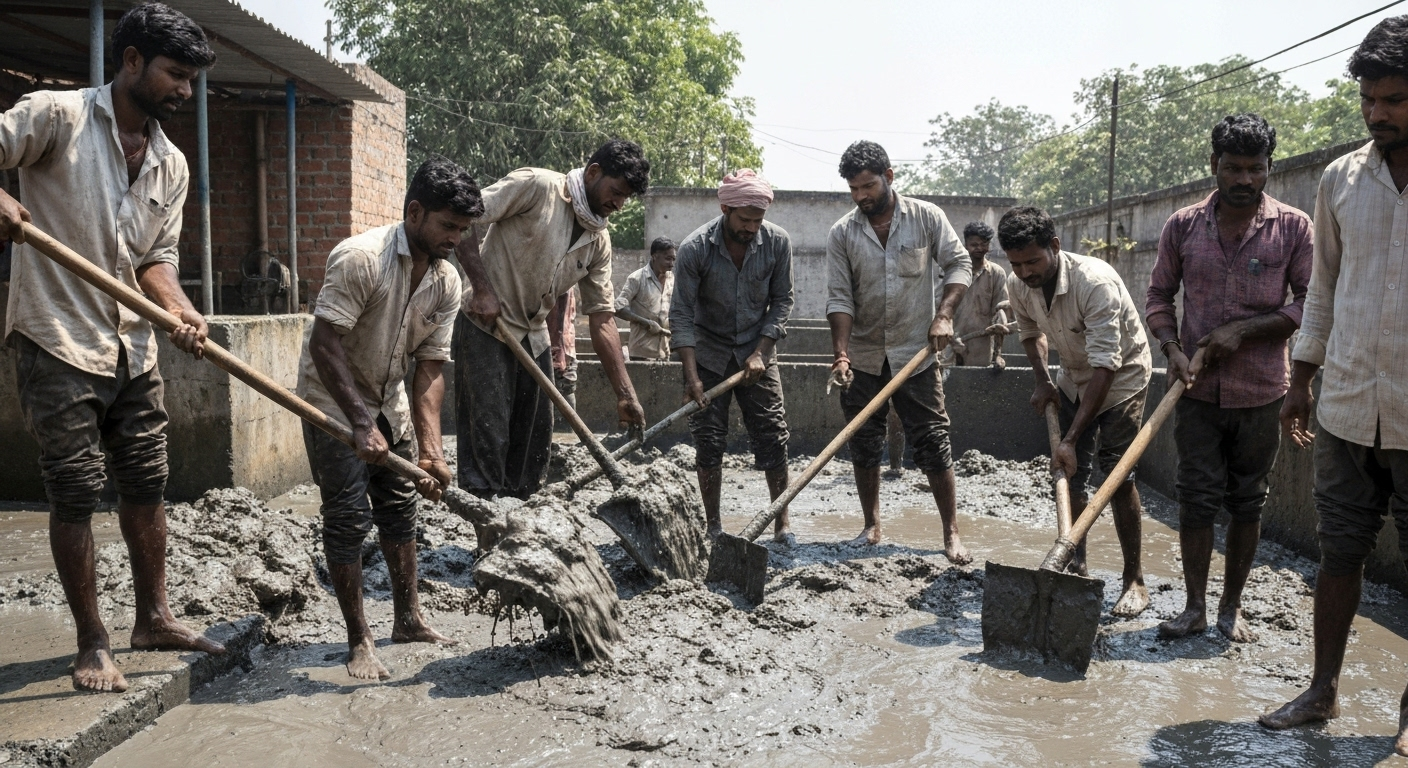
Wet sludge is expensive because plants often pay to handle water, not only solids. The higher the moisture, the higher the weight, volume and handling difficulty.
Common wet sludge problems include:
- High transport cost due to water weight
- More storage space required at site
- Odour and hygiene issues during holding
- Difficult manual handling and truck loading
- Risk of leakage, leachate and spillage
- Higher load on disposal agencies or TSDF routes
- Poor suitability for reuse or co-processing
- Inconsistent feed behaviour during downstream processing
When I review a wet sludge drying requirement, I do not start with dryer size alone. I first ask what problem the plant is trying to solve: disposal weight, storage shortage, odour, reuse, fuel value, cement-kiln use, landfill reduction, or process integration. The answer changes the dryer selection.
Wet sludge drying methods compared
Different drying and water-removal methods solve different parts of the sludge problem.
| Method | How it works | Best fit | Limitations |
|---|---|---|---|
| Mechanical dewatering | Uses pressure, filtration or centrifugal force to remove free water | First-stage moisture reduction before drying or disposal | Does not remove all bound moisture, final cake can still be heavy and sticky |
| Sludge drying beds | Spreads sludge over sand or drainage beds for natural drying | Small plants with land and low urgency | Requires land, time, weather support and leachate control |
| Solar drying | Uses sunlight and ventilation, often inside greenhouse-style halls | Plants with available land and suitable climate | Weather dependent, slower during monsoon or low-sun periods |
| Belt dryer | Spreads dewatered sludge on a belt through heated air | Continuous drying where sludge can be spread evenly | Sticky sludge may need careful feed preparation |
| Rotary or drum dryer | Uses rotating heated drum or hot air contact | Granular or process-specific solids | Not always ideal for sticky sludge without pre-conditioning |
| Thin film dryer | Spreads material in thin layer over heated surface | Certain high-viscosity or paste-like materials | Selection depends strongly on feed behaviour |
| Paddle dryer | Uses indirect heat from hollow shafts, paddles and jacket while mixing sludge | Sticky, pasty, wet cake and continuous sludge drying duties | Requires correct feed, heating, vapour handling and discharge design |
For comparison support, link to paddle dryer vs solar bed for sludge drying and thermal sludge drying system guide.
Why thermal drying is used after dewatering
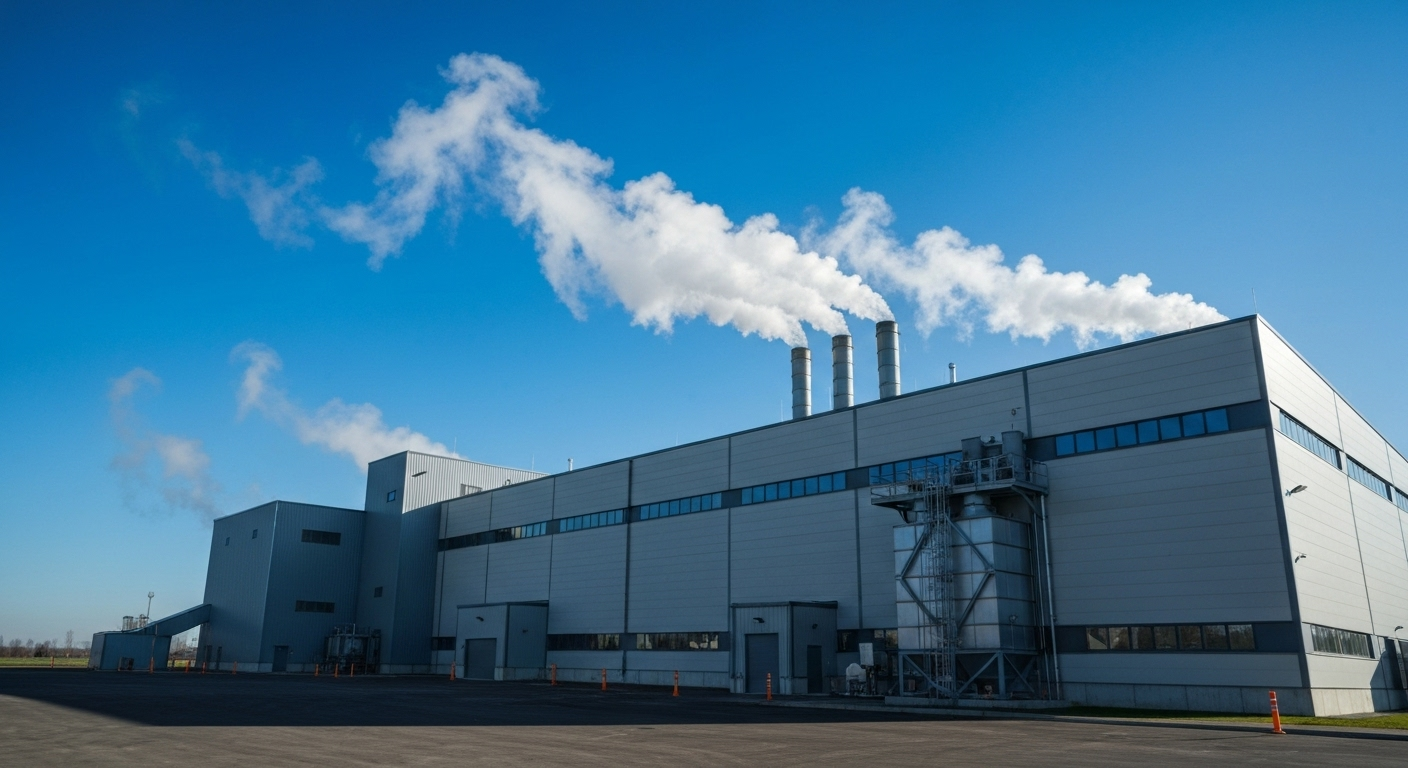
Mechanical dewatering removes a large portion of free water, but wet cake can still be too heavy for practical disposal or reuse. Thermal drying is used when the plant needs lower moisture, better storage, reduced truck movement, or a more stable dried output.
Thermal drying uses heat to evaporate water. Heat can be transferred directly through hot air or indirectly through heated surfaces. In sludge duties, indirect drying is often useful because sludge can be sticky, odorous, variable and difficult to expose to large volumes of hot air.
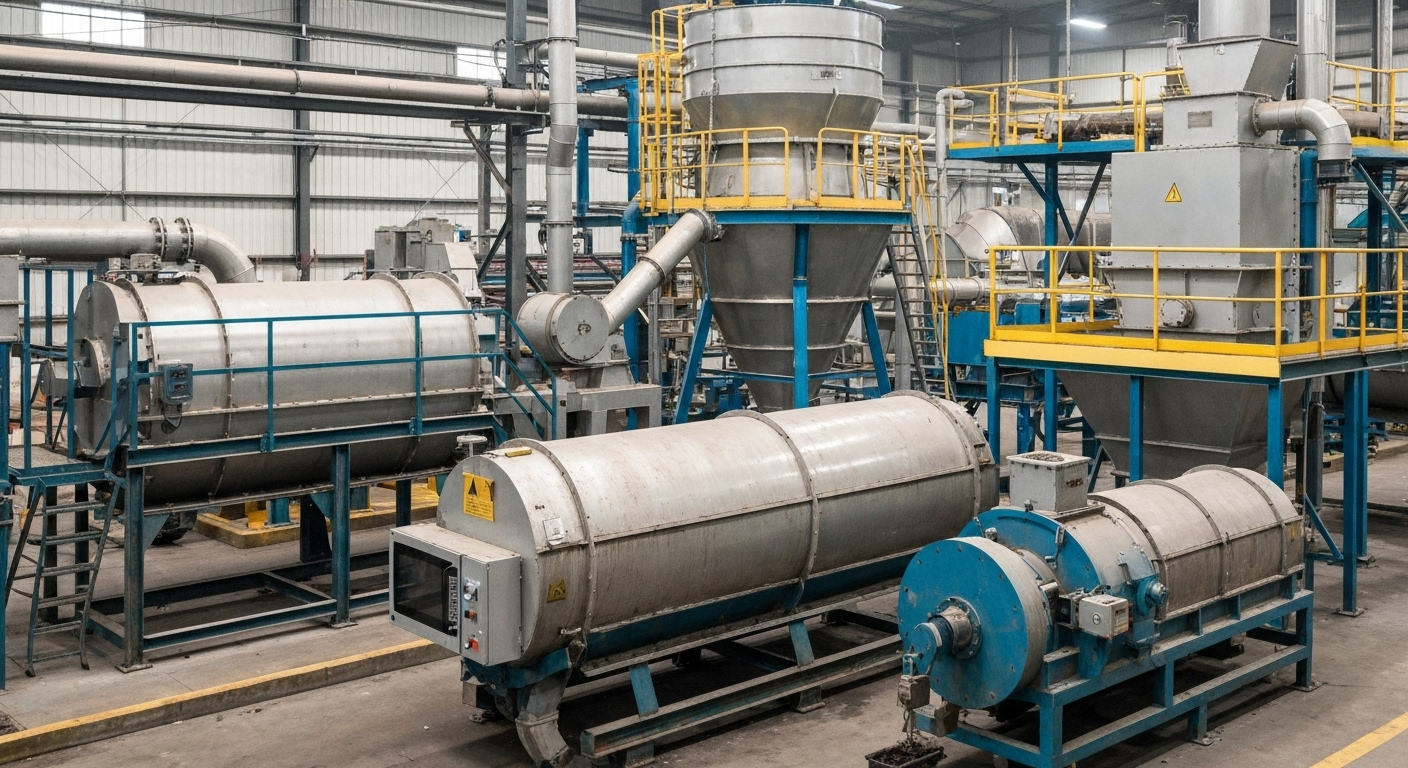
A thermal dryer should not be treated as a standalone machine. A reliable sludge drying system includes:
- Feed storage or wet sludge silo
- Controlled feeding system
- Heating system
- Dryer body
- Vapour removal line
- Fines separation
- Scrubber, bag filter, condenser or chimney as required
- Discharge conveyor
- Cooling, bagging, silo or truck loading
- Instrumentation and safety interlocks
How a paddle dryer dries wet sludge
A paddle dryer is an indirect thermal dryer. In a sludge paddle dryer, heat is transferred through hollow shafts, heated paddles and a jacketed trough. Wet sludge comes into contact with heated metal surfaces while the rotating paddles continuously mix, shear and move the material forward.
AS Engineers’ paddle dryer configuration uses key design elements such as:
- Hollow shafts and jacket for indirect heat transfer
- Dual counter-rotating shafts for mixing and thermal contact
- Wedge-shaped self-cleaning paddles to reduce buildup
- Plug-flow movement to reduce back-mixing
- Enclosed drying chamber for controlled vapour handling
- Options for standard, dual-zone or vacuum dryer configuration
- Integration with cyclone, scrubber, bag filter, condenser, screw conveyor, bagging system, silo or truck loading as required
This makes a paddle dryer suitable to evaluate when wet sludge is sticky, pasty, space-sensitive or difficult to manage through open drying methods.
Link here to sludge treatment with conductive paddle dryers and how to choose a sludge paddle dryer.
Complete wet sludge drying system layout
A wet sludge drying project should be reviewed as a complete system, not only as a dryer shell.
| System area | Common options | What to check before final selection |
|---|---|---|
| Feed system | Belt conveyor, screw feeder, sludge pump | Feed consistency, lump size, flow control, bridging risk |
| Heating system | Steam boiler, thermic fluid heater, hot water generator | Available utility, temperature requirement, energy cost |
| Dryer | Standard, dual-zone or vacuum paddle dryer | Sludge behaviour, moisture target, MOC, residence time |
| Scavenging or vapour control | FD blower, heat exchanger, heat-traced cover | Condensation risk, odour, vapour volume |
| Fines separation | Cyclone separator | Dust and fines loading |
| Pollution control | Scrubber, bag filter or both | Gas composition, odour, dust, regulatory route |
| Solvent or condensate handling | Condenser, solvent tank, chimney | Whether vapour is water, solvent-bearing or odorous |
| Product handling | Screw conveyor, bagging, silo, bucket elevator, truck disposal | Final temperature, dryness, storage and dispatch method |
A plant with chemical sludge, oily sludge, hazardous constituents or solvent-bearing vapour needs a more careful review than a normal municipal sludge drying duty. For these cases, dryer selection must involve process, EHS and regulatory review before finalization.
Heating media and fuel options
Wet sludge drying requires a heat source. The correct heating option depends on utility availability, sludge properties, operating cost and the final process requirement.
Common fuel and heating options include:
| Fuel or energy source | Practical note |
|---|---|
| Natural gas | Clean combustion option where available |
| Wood or briquette | May be considered where biomass fuel is practical |
| Coal | Site-specific use, depends on plant policy and emission control |
| LDO | Often considered where liquid fuel infrastructure exists |
| Electricity | Useful in specific plant layouts, but operating cost must be checked |
| Steam | Suitable where steam is already available |
| Thermic fluid | Useful where higher indirect heating temperature is required |
| Hot water | Application-specific, depends on required drying duty |
AS Engineers’ approved paddle dryer data includes steam heating up to 14.06 kg/cm² and thermal oil up to 400°C, depending on design and process requirement. These values should not be treated as universal recommendations. Actual selection must be based on sludge testing, moisture target, throughput and site utility conditions.
Planning reference for sludge drying fuel
AS Engineers’ official FAQ gives a useful planning reference for sludge drying from 80% initial moisture to 20% final moisture:
| Fuel input | Approximate sludge drying reference |
|---|---|
| 1 kg wood | 5 kg sludge |
| 1 kg coal | 8.25 kg sludge |
| 1 Nm³ gas | 22.5 kg sludge |
| 1 kg LDO | 21 kg sludge |
Use this only as an early planning reference. Actual fuel consumption depends on sludge composition, feed moisture, final moisture target, dryer configuration, insulation, heat losses, ambient conditions, operating discipline and vapour handling.
Sludge types where drying may be evaluated
Wet sludge drying can be evaluated for many sludge streams, but the final disposal or reuse route depends on composition and local approval.
| Sludge type | Drying objective |
|---|---|
| Municipal sludge | Volume reduction, better handling, disposal or potential reuse after required treatment |
| STP sludge | Storage reduction, odour control, easier disposal or biosolids route where approved |
| ETP sludge | Reduced disposal weight, improved handling, TSDF load reduction |
| CETP sludge | Centralized volume reduction and disposal load management |
| Textile sludge | Handling improvement for dye and chemical-bearing sludge |
| Pharma sludge | Controlled drying after composition and compliance review |
| Chemical sludge | Moisture reduction with careful MOC and vapour handling review |
| Paper sludge | Volume reduction and possible fuel or material recovery route |
| Bio-sludge | Drying for handling, disposal or value recovery where quality allows |
| Oily sludge | Specialized review required due to oil, VOC, odour and fire-risk considerations |
Link from this section to industrial sludge disposal guide, sewage sludge treatment and types of sewage sludge.
When a paddle dryer is a strong fit
A paddle dryer is worth evaluating when:
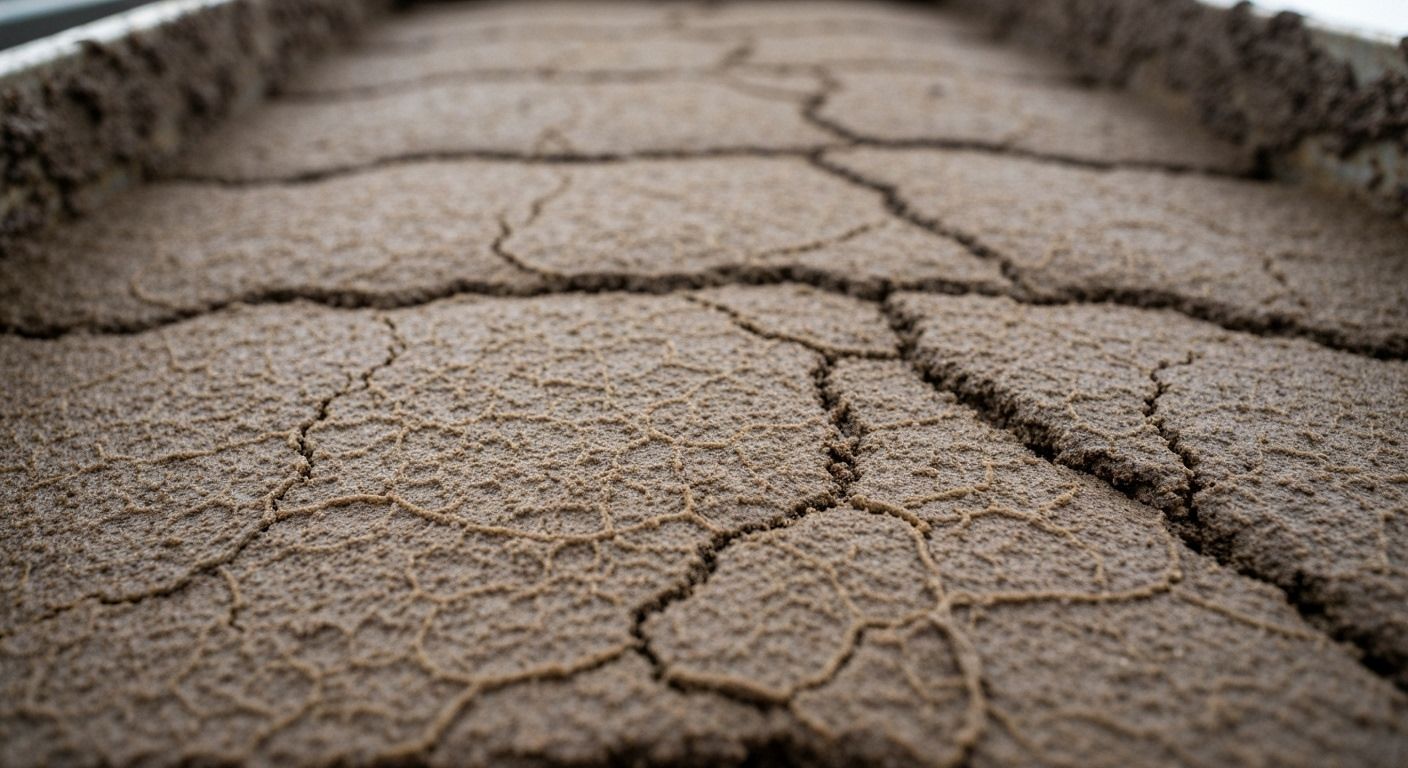
- Dewatered sludge remains sticky, pasty or difficult to convey
- Disposal cost is driven by weight or moisture
- Plant space is limited
- Weather-dependent drying is unreliable
- Sludge needs enclosed, continuous handling
- The plant has steam, thermic fluid or suitable heat source
- Vapour handling can be integrated properly
- Final solids need to be conveyed, bagged, stored or loaded
- The plant wants to reduce wet sludge transport frequency
- Pilot testing is required before finalizing dryer design
When another drying method may be better
A paddle dryer is not automatically the right answer for every plant. Another method may be more practical when:
- Sludge volume is very small and disposal cost is manageable
- The plant has ample land and time for drying beds
- Final dryness target is low
- The sludge cannot be thermally processed safely
- Vapour contains hazardous or explosive constituents without proper controls
- The plant does not have suitable heating utility or fuel strategy
- CAPEX priority is lower than land and time availability
- Regulatory approval for final dried sludge use is unclear
This fit/no-fit section is important because it keeps the page credible for engineers, not only promotional for buyers.
Key selection parameters for wet sludge drying equipment
Before choosing a wet sludge dryer, collect these inputs:
| Parameter | Why it matters |
|---|---|
| Sludge source | ETP, STP, CETP, ZLD, process plant or municipal source affects design |
| Feed moisture | Determines evaporation load |
| Final moisture target | Defines dryer duty and product handling |
| Daily sludge quantity | Impacts dryer size, operating hours and feeding system |
| Sludge behaviour | Sticky, fibrous, abrasive, corrosive, oily or granular behaviour changes design |
| Bulk density | Affects feeding, residence time and discharge |
| pH and chemistry | Guides MOC and corrosion review |
| Chlorides and salts | Important for MOC and scaling risk |
| Heavy metals or hazardous constituents | Affects disposal and EHS route |
| Heating utility | Steam, thermic fluid, hot water, gas, biomass or other source |
| Site space | Affects layout and maintenance access |
| Vapour condition | Odour, solvent, water vapour or chemical fumes affect vapour treatment |
| Final use | Landfill, TSDF, cement, fuel, bricks, fertilizer or other approved route |
| Operating hours | Defines continuous or batch-style operation preference |
| Automation level | Affects manpower, controls and monitoring |
RFQ checklist for wet sludge dryer buyers
Send these details when requesting a wet sludge drying system quotation:
- Sludge source, ETP, STP, CETP, ZLD or specific process
- Industry type
- Feed quantity per day or per hour
- Present moisture content
- Target final moisture content
- Existing dewatering method, if any
- Sludge form, slurry, cake, paste, lumps or semi-solid
- Sludge stickiness and odour condition
- pH, chloride level and known corrosive components
- Hazardous waste classification, if applicable
- Available heating source and fuel
- Available space for dryer and auxiliaries
- Required operating hours per day
- Preferred discharge method, bagging, silo, truck or conveyor
- Expected final disposal or reuse route
- Any SPCB, CPCB, TSDF, cement kiln or customer-specific requirement
- Photos, lab reports and sample availability
- Need for pilot trial before final order
For deeper buying guidance, link to sludge dryers for ETP manufacturers in India and paddle dryer manufacturer in India.
Common mistakes in wet sludge drying projects
Selecting dryer size only from kg/hr
A dryer cannot be selected only by feed quantity. Moisture content, final moisture, evaporation load, sludge behaviour and heating utility matter as much as kg/hr.
Ignoring sludge stickiness
Sticky sludge can bridge, smear, foul, lump or form pasty phases. The dryer must be selected around real sludge behaviour, not only lab moisture.
Forgetting vapour handling
Drying creates vapour. That vapour may contain odour, fines, water, solvent or chemical traces. A dryer without proper vapour handling can create plant-side problems.
Underestimating MOC requirements
Corrosive sludge, chloride-rich sludge, acidic sludge or chemical sludge may need stainless steel, duplex steel or alloy review. Do not finalize MOC without chemistry.
Treating dried sludge as automatically reusable
Dried sludge is easier to handle, but reuse depends on composition, pathogen status, heavy metals, calorific value, local regulations and buyer acceptance.
Not planning discharge handling
Dried sludge may exit as powder, granules, flakes or hot solids depending on the feed and dryer. Conveying, cooling, bagging and dust control must be planned.
Pilot trials before final selection
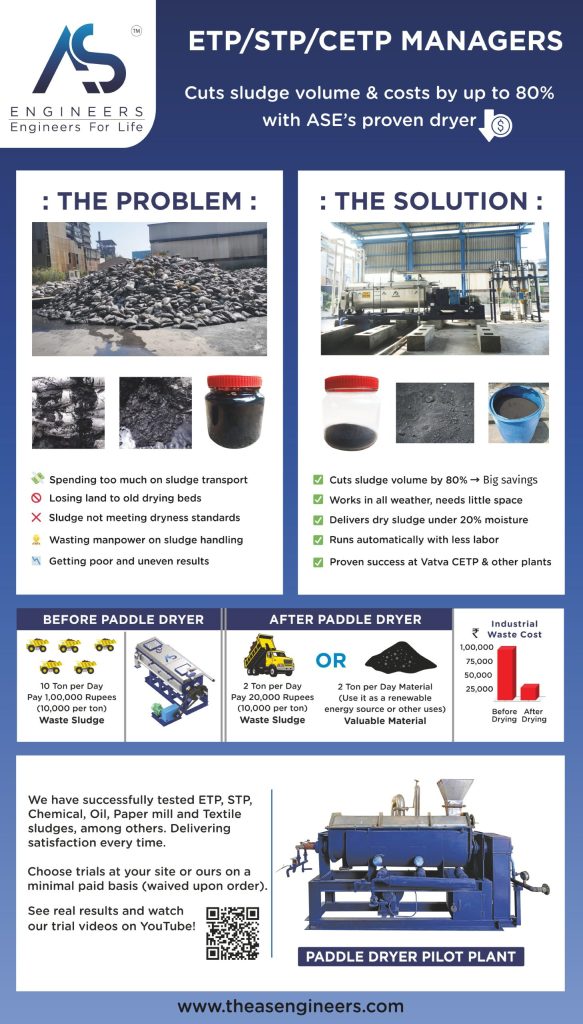
Pilot trials are useful when the sludge is sticky, variable, chemically complex, high-value, hazardous or difficult to predict. AS Engineers has a 50 kg/hr paddle dryer pilot trial machine available for demonstrations at AS Engineers’ works or at the client site, based on project suitability.
A good pilot trial should check:
- Feed behaviour inside the dryer
- Moisture reduction possibility
- Stickiness and discharge quality
- Vapour and odour condition
- Fines generation
- Heating response
- Dried sludge form
- Handling and bagging behaviour
- Practical operating observations
Pilot trials reduce guesswork before final equipment sizing and configuration.
Safety, compliance and disposal boundaries
Wet sludge drying can support better handling and volume reduction, but it does not automatically guarantee regulatory compliance or safe reuse.
For sewage sludge, biosolids, hazardous waste, ETP sludge and industrial sludge, plants should verify:
- Local pollution control board requirements
- Hazardous waste rules, if applicable
- TSDF acceptance conditions
- Land application restrictions, if any
- Cement kiln or co-processing acceptance standards
- Heavy metals and toxic contaminants
- Pathogen and stability requirements
- Air emission and odour control requirements
- Fire, dust and explosion risks for dried organic solids
- Worker safety procedures for sludge handling
For compliance-sensitive sludge, final design should be reviewed by the plant’s EHS team, consultant, equipment supplier and relevant approval authority.
Practical wet sludge drying decision framework
Use this quick decision logic before selecting a drying route:
| Plant condition | Practical direction |
|---|---|
| Sludge is still liquid | Review thickening and dewatering first |
| Sludge is dewatered but still heavy | Evaluate thermal drying economics |
| Site has large open land and low urgency | Drying bed or solar drying may be checked |
| Site has limited land and recurring disposal cost | Enclosed thermal drying may be more practical |
| Sludge is sticky or pasty | Paddle dryer should be evaluated |
| Sludge contains solvents or hazardous vapour | Vapour treatment and safety review are critical |
| Final reuse is planned | Lab testing and buyer/regulatory acceptance are mandatory |
| Fuel cost is uncertain | Run energy and pilot-trial evaluation before final order |
Conclusion
Wet sludge drying is most useful when a plant needs more than basic dewatering. It helps reduce moisture, weight, storage pressure and handling difficulty, while creating a more practical dried output for approved disposal or reuse.
For ETP, STP, CETP and industrial sludge projects, the right dryer should be selected from actual duty data, not from generic equipment size. Feed moisture, final moisture target, sludge behaviour, heating utility, vapour handling, MOC, pollution control and discharge handling all affect the final system.
If you are evaluating a wet sludge drying system, share your feed quantity, moisture level, target dryness, sludge source, lab data, heating utility, site layout and final disposal route. AS Engineers can review the requirement and suggest a sludge drying configuration based on real plant conditions.
Frequently Asked Questions
What is wet sludge drying?
Wet sludge drying is the process of removing additional water from sludge generated by ETP, STP, CETP, ZLD or industrial wastewater treatment systems. It is usually done after thickening and dewatering when sludge is still too wet, heavy or difficult to dispose.
Is mechanical dewatering enough for sludge?
Mechanical dewatering is enough when the final wet cake can be handled and disposed economically. Thermal drying becomes useful when dewatered sludge still creates high transport cost, storage pressure, odour, hygiene issues or reuse limitations.
Which dryer is suitable for sticky wet sludge?
An indirect paddle dryer is often suitable to evaluate for sticky or pasty wet sludge because heated hollow shafts, jacket heating and rotating paddles help mix, shear and move the material while drying. Final suitability depends on sludge testing and site conditions.
What data is needed before selecting a wet sludge dryer?
The key data includes sludge source, feed quantity, initial moisture, target final moisture, sludge behaviour, pH, chloride level, hazardous classification, available heating utility, operating hours, site space, vapour condition and final disposal or reuse route.
Can dried sludge be reused?
Dried sludge may be reused as fuel, cement-kiln material, brick input, compost/fertilizer route or other approved use only when its composition, contaminants, pathogen status and local regulatory requirements allow it. Drying improves handling, but it does not automatically approve reuse.