Wastewater treatment is an essential process for protecting our environment and public health. However, it generates a significant byproduct: sludge. For many industries and municipalities, sludge management is a major operational challenge. The disposal of wet sludge, in particular, can drain your budget and create long-term liabilities. This article will explore the obvious and hidden costs associated with landfilling wet sludge and introduce smarter, more cost-effective solutions for its management.
Table of contents
- Key Highlights
- What Is Wet Sludge and Why Its Management Matters in India
- The Process of Landfilling Wet Sludge Explained
- Breaking Down the Obvious Costs of Wet Sludge Landfilling
- Unmasking the Hidden and Long-term Costs
- Environmental Impact Driving Up Long-term Liabilities
- Regulatory Landscape Shaping Sludge Landfilling Costs in India
- How Dewatering Reduces the Cost of Landfilling Wet Sludge
- Alternatives to Landfilling: Smarter Sludge Management Solutions
- Common Mistakes Leading to Increased Wet Sludge Landfilling Costs
- Technologies and Innovations Minimizing Wet Sludge Landfilling Impact
- Strategies for Companies to Reduce Their Wet Sludge Disposal Costs
- Risk of Long-Term Liability From Landfilling Wet Sludge
- Conclusion
- Frequently Asked Questions
Key Highlights
Here’s a quick look at what we’ll cover:
- Landfilling wet sludge is expensive, often accounting for 30-50% of wastewater treatment budgets.
- The high water content in wet sludge significantly increases transportation and disposal fees.
- Sludge landfilling comes with hidden costs, including long-term environmental risks and compliance monitoring.
- Dewatering is a key sludge management strategy that can reduce sludge volume by up to 80%.
- Proper sludge dewatering lowers the environmental impact and helps facilities meet regulatory standards.
- Alternatives like co-processing and composting can turn sludge from a waste into a valuable resource.
What Is Wet Sludge and Why Its Management Matters in India
Wet sludge is the semi-solid slurry produced by sewage treatment plants and industrial facilities. Its defining characteristic is its extremely high water content, which can be anywhere from 93% to 99%. This soupy material is what’s left after solids are separated from wastewater.
Proper sludge management in India is critical for environmental protection. If not handled correctly, this sewage sludge can lead to severe water pollution and soil contamination, posing risks to human health. With a growing number of sewage treatment plants, finding sustainable sludge disposal methods is more important than ever.
Key Characteristics of Wet Sludge Generated From Wastewater and ETPs
The primary characteristic of wet sludge from wastewater treatment and effluent treatment plants (ETPs) is its high moisture content. This large volume of water makes the sludge heavy and bulky, which is a major factor in its high disposal cost. The composition varies widely depending on the source, containing a mix of organic matter, solids, and chemical precipitates.
In some cases, especially from industrial ETPs, the sludge can be classified as hazardous waste. This is due to the presence of heavy metals, complex chemical compounds, and other toxic substances. This classification significantly increases handling and disposal complexity, adding to the overall cost and environmental risks.
The large sludge volume directly contributes to hidden costs associated with landfilling wet sludge. It requires more truckloads for transport, consumes valuable landfill space at a faster rate, and increases the potential for environmental contamination, all of which drive up long-term management expenses.
Distinction Between Wet Sludge and Dewatered Sludge
The main difference between wet sludge and dewatered sludge is the water content. Wet sludge is mostly water, while dewatered sludge has undergone a drying process to remove a significant portion of its moisture. This sludge dewatering process can be achieved using equipment like a filter press, centrifuge, or screw press.
Landfilling wet sludge is far more expensive because you are essentially paying to transport and dispose of water. Its high volume and weight lead to higher transportation fees and landfill tipping fees, which are often charged by the ton. In contrast, dewatered sludge is lighter and more compact, drastically cutting these costs.
The energy consumption for dewatering is often much lower than the costs saved on disposal, making it a financially sound step. Here’s a simple breakdown:
| Feature | Wet Sludge | Dewatered Sludge |
|---|---|---|
| Water Content | 93-99% | 75-85% (solid content of 15-25%) |
| Volume | High | Reduced by up to 80% |
| Weight | Heavy | Significantly lighter |
| Disposal Cost | High (due to transport and tipping fees) | Low (reduced transport and tipping fees) |
Common Sources of Wet Sludge in Indian Municipalities and Industries
Wet sludge is a common byproduct across various sectors in India. The sludge production from both municipal and industrial sources contributes to a significant waste management challenge. Understanding where it comes from is the first step in managing it effectively.
Municipal sewage treatment plants are a primary source of sewage sludge. As urban populations grow, the volume of domestic wastewater requiring treatment increases, leading to more sludge generation. This material is typically rich in organic matter and pathogens.
Industries also generate large quantities of industrial sludge. The characteristics of this sludge depend heavily on the industrial process. Key contributors include:
- Food Processing: Generates organic-rich sludge with high biological oxygen demand.
- Textile Dyeing: Produces sludge containing dyes, salts, and other chemicals.
- Pharmaceutical and Chemical Manufacturing: Creates sludge with complex and potentially hazardous compounds.
The disposal of this wet sludge directly inflates overall waste management expenses because its high volume and weight demand more resources for transport and landfilling.
The Process of Landfilling Wet Sludge Explained
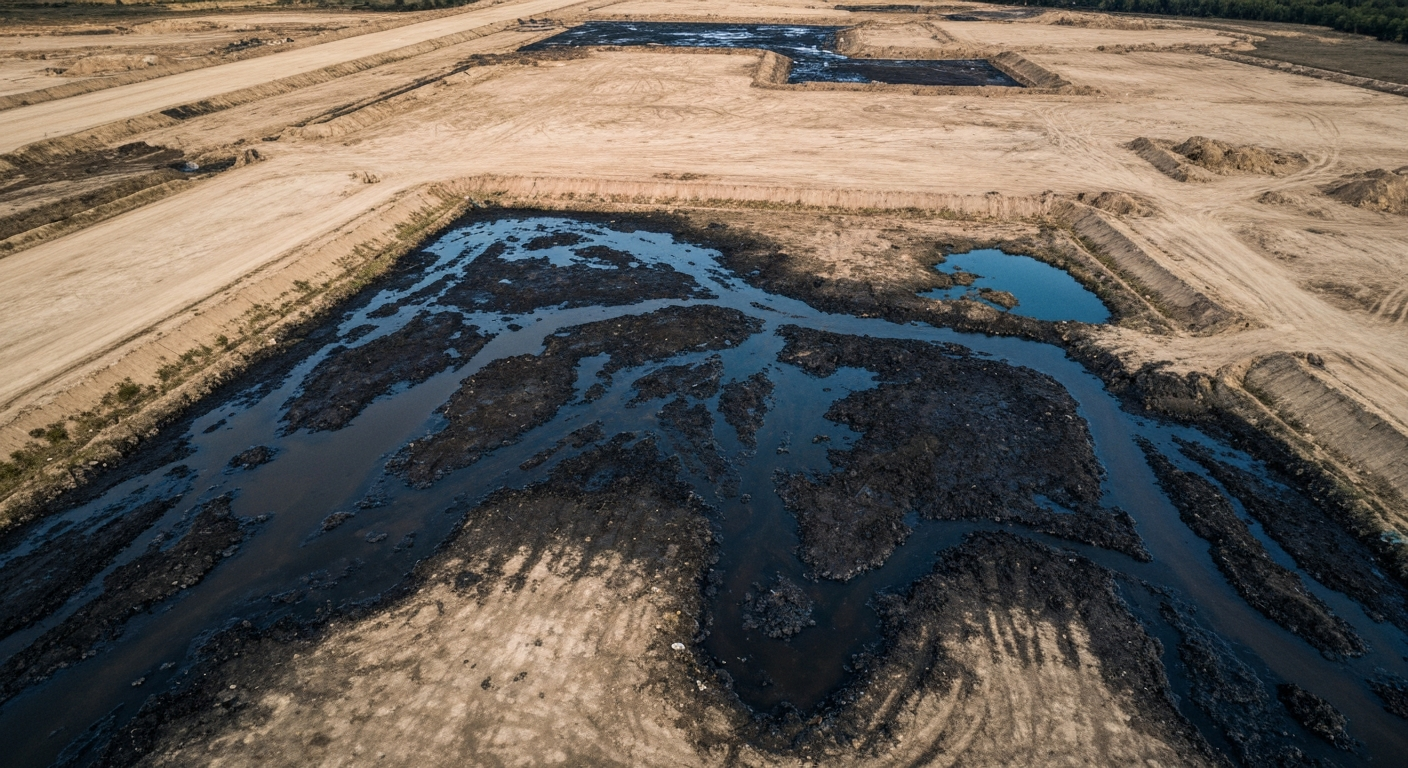
Landfilling is a common method for wet sludge disposal. The process involves transporting the semi-solid slurry from the treatment facility to a designated landfill and depositing it. This method treats the sludge as a form of solid waste, mixing it with other municipal or industrial refuse.
However, this approach to sludge management is becoming less sustainable. Landfills have limited capacity, and the high water content of wet sludge accelerates their filling. This practice also poses significant environmental challenges, which we will explore further. The following sections break down the specific steps and costs involved.
Steps Involved in Transporting and Disposing Wet Sludge to Landfills
The logistics of moving wet sludge from its point of generation to a landfill is a multi-step process that directly impacts operating costs. Each stage adds to the final disposal costs, making it a significant financial burden for many organizations.
The journey begins with collecting the sludge at the wastewater treatment plant and loading it into specialized trucks. Because wet sludge is so heavy and voluminous, more truck trips are required compared to dewatered sludge, immediately increasing transportation costs.
The key steps in this process include:
- Collection: Pumping or loading the wet sludge into transport vehicles.
- Transportation: Hauling the heavy, water-laden material to the landfill, which could be many miles away.
- Weighing and Tipping: Paying landfill tipping fees, which are typically based on weight.
- Deposition: Unloading the sludge into the designated landfill area.
This entire chain of events significantly drives up overall waste management expenses, as every ton of water transported and disposed of adds to the bill.
Types of Indian Landfills Used for Sludge Disposal
In India, sludge disposal typically occurs in two main types of landfills. The most basic are municipal solid waste dumps, which may lack modern environmental protections. These sites often mix sludge with general solid waste, increasing the risk of contamination.
A better option is the sanitary landfill. These are engineered facilities designed to meet stricter environmental standards. They often include features like liners and leachate collection systems to minimize environmental impact. However, the high liquid content of wet sludge can overwhelm these systems, compromising their effectiveness.
Dumping wet sludge in any landfill carries environmental risks. The excess water can seep through the waste, creating contaminated liquid called leachate, which can pollute groundwater. Furthermore, the decomposition of organic matter in the sludge can release harmful greenhouse gases and create foul odors, impacting nearby communities.
On-Site vs Off-Site Sludge Landfilling Practices
Companies and municipalities have two primary options for sludge disposal: on-site or off-site landfilling. On-site landfilling involves dedicating a portion of the facility’s own land for sludge disposal. This option eliminates transportation costs but requires significant capital investment, land availability, and long-term management responsibility.
Off-site landfilling is the more common practice, where sludge is transported to a third-party municipal or private landfill. While this avoids the need for land and direct landfill management, it introduces substantial transportation and tipping fees. These external management costs can become a major operational expense.
Both practices highlight how the disposal of wet sludge impacts overall waste management expenses. On-site landfilling entails high upfront and long-term maintenance costs, while off-site landfilling results in high, recurring transportation and disposal fees. Either way, managing wet sludge remains a costly endeavor.
Breaking Down the Obvious Costs of Wet Sludge Landfilling
When you choose to landfill wet sludge, you face several direct and predictable expenses. These obvious disposal costs are a significant part of the operating costs for any facility engaged in waste management. They are the figures that show up clearly on your budget sheets and invoices.
These expenses are directly tied to the physical properties of wet sludge—namely, its high volume and weight. The more sludge you generate and the more water it contains, the higher these costs will be. Let’s look at the primary components of these expenses.
Collection, Transportation, and Handling Expenses
The journey of wet sludge from your facility to the landfill is paved with costs. The process begins with collection and loading, which requires specialized equipment and labor. Once loaded, the transportation costs kick in, and this is where the weight of wet sludge really hurts your budget.
Because wet sludge is up to 99% water, you are paying to haul a massive amount of liquid. This is often referred to as the “haulage multiplier” effect. For every ton of actual solid waste, you might be transporting 10 or more tons of material. This multiplies the number of truck trips needed, fuel consumed, and overall logistics expenses.
This inefficiency directly impacts overall waste management expenses. More trips mean higher fuel bills, increased vehicle maintenance, and more labor hours dedicated to transport. These escalating transportation costs are a primary reason why managing wet sludge is so expensive.
Landfill Tipping Fees and Rental Costs in India
Once the wet sludge arrives at the landfill, you face another significant expense: tipping fees. These are the charges levied by the landfill operator for accepting and disposing of your waste. In India, these fees add a substantial amount to the total sludge management bill.
Tipping fees are almost always calculated by weight. Since wet sludge is incredibly heavy due to its water content, these fees can quickly become exorbitant. The cost varies depending on whether the sludge is classified as hazardous or non-hazardous solid waste, with hazardous sludge commanding much higher prices.
These disposal costs are a core component of your operating costs. Here’s an idea of what to expect for landfill tipping fees in India, which directly impacts waste management expenses:
| Sludge Type | Estimated Tipping Fee per Ton |
|---|---|
| Non-Hazardous Sludge | ₹3,000 – ₹8,000 |
| Hazardous Sludge | ₹15,000 – ₹25,000 |
Labor, Equipment, and Logistics Requirements
Beyond transport and tipping fees, managing wet sludge requires a significant investment in labor, equipment, and logistics. These operating costs contribute heavily to the final price tag of waste disposal. Handling a semi-solid, often odorous material requires specialized machinery for pumping, loading, and unloading.
You need a team of trained personnel to operate this equipment safely and efficiently. Labor costs include not just wages but also training, safety gear, and insurance. The more sludge you handle, the more extensive your labor and equipment needs become, driving up overhead.
The entire logistics chain, from scheduling trucks to ensuring compliance documentation is in order, adds another layer of complexity and cost. Each of these elements—equipment maintenance, labor hours, and administrative oversight—inflates your overall waste management expenses, making the disposal of wet sludge a costly and resource-intensive operation.
Unmasking the Hidden and Long-term Costs
The direct costs of sludge landfilling are just the tip of the iceberg. Lurking beneath the surface are numerous hidden costs and long-term liabilities that can impact your finances for years to come. These expenses are not always immediately apparent on an invoice but arise from the inherent problems of disposing of wet material.
These hidden management costs stem from the volume of the sludge, its environmental risks, and the ongoing need for monitoring. Ignoring these factors can lead to unforeseen financial burdens and regulatory headaches down the road. Let’s explore these less obvious but equally important costs.
Higher Volume and Weight: The Haulage Multiplier Effect
We briefly mentioned the haulage multiplier, but it’s worth a closer look as a major hidden cost. When you transport wet sludge, you are paying for more than just the solid waste. The vast majority of the weight and volume comes from water, which dramatically inflates the amount of sludge you need to manage.
Consider this: if your sludge is 95% water, a 10-ton truck is carrying only 500 kg of solids. The rest is water. This inefficiency has a compounding effect on your transportation costs and disposal costs.
This multiplier effect is one of the most significant hidden costs associated with landfilling wet sludge because it impacts several areas:
- Increased Fuel Consumption: More trips mean more fuel is used.
- Higher Labor Costs: Drivers are needed for these additional trips.
- Accelerated Vehicle Wear and Tear: Heavy loads put more strain on trucks.
- Higher Tipping Fees: You pay for the weight of the water at the landfill.
Increased Landfill Space Occupancy and Premature Saturation
Landfill space is a finite and increasingly expensive resource. One of the critical hidden costs of disposing of wet sludge is the rapid rate at which it consumes this valuable space. The high sludge volume means that landfills fill up much faster than they would with compacted, dry waste.
This premature landfill saturation has significant financial consequences. As existing landfills reach capacity, new ones must be built, often further away from urban centers. This increases future transportation distances and drives up disposal costs for everyone. For landfill operators, it means a shorter operational lifespan for their facility.
For your business, this translates to steadily rising tipping fees as landfill space becomes scarcer. This long-term escalation in operational costs is a direct result of inefficient waste management practices like landfilling bulky, wet sludge. It’s a classic example of a hidden cost that can creep up over time.
Ongoing Monitoring, Maintenance, and Environmental Compliance
Once wet sludge is in a landfill, your responsibility doesn’t end. Landfills, especially those containing wet materials, require ongoing monitoring and maintenance to ensure environmental compliance. These long-term management costs are another hidden expense of sludge landfilling.
Regulatory bodies require landfill operators to monitor for issues like groundwater contamination and gas emissions for many years, even after the landfill is closed. The costs for this long-term monitoring are passed on to the users of the landfill through tipping fees. Wet sludge exacerbates these requirements due to its higher risk of producing leachate and greenhouse gases.
Meeting these stringent environmental standards involves regular testing, reporting, and potential remediation efforts. These activities add a layer of persistent, long-term costs that are not always factored into the initial disposal decision. This makes investing in better sludge treatment upfront a smarter financial choice.
Environmental Impact Driving Up Long-term Liabilities
The environmental impact of improper sludge disposal goes beyond harming nature; it creates significant long-term liability for your company. The environmental risks associated with landfilling wet sludge can translate into serious financial consequences years down the line, including cleanup costs and legal penalties.
Effective environmental protection isn’t just about being a good corporate citizen—it’s also about smart risk management. The choices you make about sludge disposal today can determine your exposure to these future liabilities. Let’s delve into the specific environmental issues that can come back to haunt your bottom line.
Leachate Generation and Groundwater Contamination Risks
One of the most serious environmental risks linked to dumping wet sludge in landfills is the generation of leachate. Leachate is a toxic liquid that forms when water—in this case, from the wet sludge itself—percolates through the waste, picking up contaminants like heavy metals and organic compounds.
This contaminated liquid poses a direct threat to groundwater. If the landfill’s liner system fails or is inadequate, leachate can escape and seep into the underlying soil and aquifers, causing severe water pollution. This is how wet sludge disposal contributes to groundwater contamination, potentially affecting drinking water sources for nearby communities.
The risk of groundwater contamination creates a significant long-term liability. If your sludge is traced back to a contamination event, you could be held financially responsible for the cleanup, which can be astronomically expensive. This makes the initial cost of dewatering seem minor in comparison.
Greenhouse Gas Emissions and Odor Pollution
Another major environmental risk of landfilling wet sludge is the emission of greenhouse gases. The large amount of organic matter in sludge decomposes anaerobically (without oxygen) in a landfill environment. This process releases methane, a potent greenhouse gas that is far more effective at trapping heat in the atmosphere than carbon dioxide.
These greenhouse gas emissions contribute to climate change and represent a significant environmental impact. In addition to methane, this decomposition process also produces hydrogen sulfide and other volatile compounds, which are the source of strong, unpleasant odors. This odor pollution can be a serious nuisance for communities living near the landfill.
Proper sludge treatment, such as anaerobic digestion, can capture this methane and use it as a renewable energy source. By simply dumping wet sludge, you are not only creating an environmental hazard but also wasting a potential resource.
Legal Penalties for Non-Compliant Sludge Handling
Failing to adhere to environmental regulations for sludge disposal can lead to severe legal penalties. Regulatory bodies at the national and local levels have specific rules governing how sludge must be handled, transported, and disposed of. Non-compliance is not taken lightly.
These regulations absolutely affect the cost of landfilling wet sludge. If your sludge is classified as hazardous, it must go to a licensed facility, which is more expensive. Failure to follow these rules can result in hefty fines, legal action, and even the shutdown of your operations. The cost of these legal penalties can far exceed the money saved by cutting corners.
Ensuring environmental compliance should be seen as a fundamental part of your operating costs. The risk of fines, reputational damage, and legal battles makes non-compliance a financially reckless strategy. Investing in compliant sludge disposal methods protects both the environment and your company’s financial health.
Regulatory Landscape Shaping Sludge Landfilling Costs in India
In India, a comprehensive framework of environmental regulations governs sludge disposal. These rules are designed to prevent pollution and ensure that waste is managed safely. This regulatory landscape directly influences sludge disposal costs, as meeting legal requirements adds to the overall management costs.
Achieving regulatory compliance is not optional; it is a legal necessity. Understanding these requirements is crucial for any business that generates sludge. The following sections will outline the key guidelines and mandates that shape how sludge must be managed and how they impact your budget.
CPCB Guidelines and Local Authority Requirements
The Central Pollution Control Board (CPCB) sets the primary environmental regulations for sludge management in India. These guidelines are legally binding and dictate the standards for treating and disposing of industrial and municipal sludge. Local pollution control boards often add their own specific requirements.
These regulations directly affect the cost of landfilling wet sludge. The CPCB mandates that sludge must be characterized to determine its nature. Depending on the results, specific disposal pathways are prescribed. For example, hazardous sludge must be sent to an authorized Treatment, Storage, and Disposal Facility (TSDF).
Achieving regulatory compliance means following these rules to the letter. This includes using authorized transporters, maintaining proper documentation, and ensuring the final disposal site is CPCB-approved. The costs associated with these steps—from lab testing to using specialized facilities—are a direct consequence of these important environmental regulations.
Sludge Classification and Hazard Definitions
A critical step in regulatory compliance is sludge classification. You must have your wet sludge tested by an approved laboratory to determine if it qualifies as hazardous waste. This classification is based on characteristics like toxicity, corrosivity, and the concentration of specific heavy metals.
This classification has a massive impact on sludge management costs. Non-hazardous sludge offers more disposal flexibility and is cheaper to landfill. However, if your sludge is defined as hazardous, your options become much more limited and expensive. The handling, transport, and disposal of hazardous waste are strictly regulated to prevent environmental harm.
These regulations are a key factor affecting the cost of landfilling. The management costs for hazardous sludge can be several times higher than for non-hazardous sludge. This is because it requires disposal at specially designed secure landfills and involves a more rigorous documentation process (the “manifest system”).
Recordkeeping and Reporting Mandates for Wet Sludge Disposal
The costs of regulatory compliance aren’t limited to testing and tipping fees. Indian environmental regulations also impose significant recordkeeping and reporting mandates that add administrative overhead. These rules are in place to ensure a clear chain of custody for wet sludge, from generation to final disposal.
Facilities must maintain detailed records of the quantity of sludge generated, characterization reports, transport manifests, and disposal receipts. This documentation proves that you are managing your waste responsibly. Additionally, you are typically required to file annual returns with the State Pollution Control Board, summarizing your waste management activities.
This need for meticulous recordkeeping and reporting is another way regulations affect the cost of landfilling. It requires staff time and resources to manage the paperwork and ensure full environmental compliance. While it may seem like a bureaucratic burden, this process is essential for accountability and environmental protection.
How Dewatering Reduces the Cost of Landfilling Wet Sludge
After exploring the high costs and risks of landfilling wet sludge, the solution becomes clear: get the water out. Sludge dewatering is the most effective strategy for dramatically reducing disposal costs. This process mechanically removes water from the sludge, making it lighter, more compact, and cheaper to handle.
The cost savings from sludge dewatering are significant, often providing a rapid return on investment in dewatering equipment. Beyond the financial advantages, dewatering also offers substantial environmental benefits. Let’s examine how this process transforms sludge management.
Dewatering Methods: Filter Press, Centrifuge, and Belt Press
Several proven technologies are available for sludge dewatering, each with its own strengths. The choice of dewatering equipment often depends on the type of sludge, the desired dryness, and the facility’s operational budget.
Common methods include the belt filter press, which squeezes sludge between two porous belts, and the centrifuge, which uses high-speed rotation to separate solids from water. Another highly effective technology is the multi-plate screw press, which uses a slow-moving screw to gently compress sludge and squeeze out water with low energy consumption.
These technologies help avoid the hidden costs of landfill disposal in a direct way:
- Filter Press: Produces a very dry “cake,” maximizing water removal.
- Centrifuge: Handles variable sludge types well and produces a dry cake of 18-25% solids.
- Belt Press: A cost-effective option for many applications, achieving 15-20% solids.
- Screw Press: Known for low energy use, minimal maintenance, and high efficiency, reducing sludge volume by up to 80%.
Volume & Weight Reduction for Cheaper Transport and Tipping
The most immediate benefit of dewatering is a massive volume reduction and weight reduction in your sludge. Since wet sludge can be up to 99% water, removing that liquid dramatically shrinks the amount of material you need to manage. A screw press, for example, can reduce sludge volume by 80%.
This directly slashes your sludge management costs. Fewer tons of waste mean lower transport costs, as you’ll need fewer truck trips. It also means significantly lower landfill tipping fees, which are charged by weight. Some facilities have reported cutting their hauling and landfill fees by 50-80% after implementing an effective dewatering system.
This is how sludge dewatering helps avoid the hidden costs of landfill disposal. By tackling the root cause of high expenses—the water—you can transform your operating costs. The investment in dewatering equipment is often paid back quickly through these direct savings.
Better Environmental Safety and Regulatory Compliance
Dewatering your sludge doesn’t just save money; it also improves environmental safety. Dewatered sludge is much more stable than wet sludge. It is easier to handle, store, and transport, with a lower risk of spills. At the landfill, it produces far less leachate, reducing the threat to groundwater.
This improved stability makes achieving regulatory compliance much easier. Many regulations are simpler to meet when dealing with a solid, cake-like material instead of a liquid slurry. Consistent sludge treatment through dewatering ensures you can reliably meet disposal standards and avoid fines or penalties.
This enhanced environmental performance is another way sludge dewatering helps avoid the hidden costs of landfill disposal. By minimizing environmental risks, you reduce your long-term liability. A cleaner, more compliant operation is a more resilient and financially secure one.
Alternatives to Landfilling: Smarter Sludge Management Solutions
While dewatering makes landfilling more affordable, what if you could avoid landfills altogether? A growing movement in waste management focuses on a circular economy approach, where waste is seen as a resource. There are several smart alternatives to landfilling that can turn your sludge problem into a profitable opportunity.
These resource recovery solutions not only eliminate disposal costs but can also generate revenue or provide valuable materials. This shift in perspective is at the heart of modern, sustainable sludge management. Let’s explore some of the most promising options.
Composting, Co-processing, and Waste-to-Energy Options
Several technologies can transform sludge into a valuable product, minimizing both financial and environmental impacts. These methods move away from the “take-make-dispose” model and embrace resource recovery.
Composting is an excellent option for organic, non-hazardous sludge. When mixed with a bulking agent like sawdust or green waste, sludge can be broken down aerobically into a nutrient-rich soil conditioner. This process kills pathogens and creates a product that can be sold for agricultural or landscaping use.
Other powerful alternatives include:
- Co-processing: Using dewatered sludge as an alternative fuel in cement kilns. The high temperatures ensure complete destruction of organic pollutants, and the ash becomes part of the final cement product.
- Anaerobic Digestion: A process that breaks down organic matter to produce biogas, a form of renewable energy, while also reducing sludge volume.
- Waste-to-Energy (Incineration): Burning dried sludge to generate heat or electricity, which can be used to power the treatment plant itself.
Industrial and Agricultural Reuse Possibilities
Beyond energy recovery, treated sludge has potential for both industrial and agricultural reuse. These applications provide a sustainable end-of-life for your waste, turning a liability into an asset and minimizing environmental impact.
In agriculture, properly treated and non-hazardous sludge (often called biosolids) can be used for land application. It acts as an effective soil conditioner, adding valuable organic matter and nutrients back to the soil. This requires strict testing and adherence to regulations to prevent soil contamination.
For industrial reuse, dewatered sludge can be incorporated into construction materials. Innovative companies are using processed sludge to manufacture bricks, paver blocks, and even concrete aggregates. This not only provides a permanent disposal solution but also creates a new revenue stream, making it one of the best methods to minimize the financial impact of sludge.
Common Mistakes Leading to Increased Wet Sludge Landfilling Costs
Many organizations unknowingly inflate their own wet sludge disposal costs through a series of common, yet avoidable, mistakes. These missteps in sludge management can prevent you from achieving significant cost savings and lead to higher long-term expenses.
Recognizing and correcting these errors is a crucial step toward optimizing your operations. Often, simple changes in process or a strategic investment in technology like sludge dewatering can have a massive impact on your bottom line. Let’s look at the most frequent mistakes that drive up management costs.
Ignoring Dewatering Opportunities
The single most common mistake organizations make is ignoring dewatering opportunities. Many facilities continue to haul wet sludge simply because “it’s the way it’s always been done,” without analyzing the true operating costs. They see the upfront cost of dewatering equipment as an expense rather than an investment.
This oversight leads directly to higher landfilling fees for wet sludge. By paying to transport and dispose of water, companies are throwing money away with every truckload. The savings in disposal costs from dewatering can often pay for the new equipment in just a few years.
Failing to perform a cost-benefit analysis of dewatering is a critical error. A thorough review of your current sludge management expenses—including transport, tipping fees, and labor—will almost always reveal a strong financial case for investing in a dewatering system to reduce long-term management costs.
Non-Compliance With Disposal Guidelines
Another costly mistake is non-compliance with disposal guidelines. Some organizations may try to cut corners by not testing their sludge properly, using unauthorized transporters, or dumping at unapproved sites. This is a high-risk strategy that can lead to disastrous financial consequences.
Violating environmental regulations can result in severe legal penalties, including massive fines that can cripple a business. These fines are often far greater than the cost of compliant disposal. This mistake leads to higher landfilling fees in the long run, as penalties and legal fees are added to the bill.
Furthermore, non-compliance can cause irreparable damage to a company’s reputation. Being labeled as a polluter can alienate customers and harm business relationships. The risk of getting caught is high, and the financial and reputational fallout makes this a mistake that is never worth it.
Inefficient Routing and Handling of Sludge Loads
Even for companies that landfill wet sludge, inefficient logistics can needlessly drive up transportation costs. Poor route planning, failure to schedule optimally, and inefficient loading/unloading procedures all contribute to higher operating costs.
A common mistake is not using modern logistics tools to optimize truck routes. This can lead to longer travel distances, increased fuel consumption, and wasted driver time. Similarly, poor coordination can result in trucks sitting idle or making unnecessary trips, adding to the overall management costs.
These seemingly small inefficiencies in the handling of sludge loads can add up to a significant financial drain over the course of a year. Streamlining the logistics of wet sludge transport is a simple but effective way to reduce costs, yet it is an area that many organizations overlook.
Technologies and Innovations Minimizing Wet Sludge Landfilling Impact
The field of sludge management is constantly evolving, with new technologies and innovations emerging to make the process more efficient, cost-effective, and environmentally friendly. These advanced technologies are designed to tackle the core problems of wet sludge, from its high water content to logistical challenges.
Embracing these innovations can help your facility move beyond traditional disposal methods. From advanced sludge drying techniques to smart digital solutions, these tools offer powerful ways to minimize the financial and environmental impact of landfilling.
Advanced Sludge Drying Techniques
Beyond standard dewatering, advanced sludge drying techniques can remove even more water, further reducing volume and creating a more valuable end product. These methods are among the best technologies to minimize the financial and environmental impact of sludge disposal.
Thermal drying systems, for instance, use heat to evaporate water, producing a dry, granular product with very high solids content (often over 90%). While this drying process requires energy, some systems can become self-sustaining by using the dried sludge itself as fuel. Solar drying is another innovation, using free energy from the sun in greenhouse-like structures to slowly dry sludge.
Modern dewatering equipment like multi-plate screw presses also represents a significant advancement. They achieve high levels of dryness with very low energy consumption and minimal operator attention, making them one of the most efficient and cost-effective innovations available today.
Automated Monitoring and Leak Prevention Systems
Technology is also playing a crucial role in environmental protection. Automated monitoring and leak prevention systems are digital solutions designed to minimize the risks associated with sludge handling and disposal. These systems use sensors to provide real-time data on landfill conditions.
For example, sensors placed within a landfill can detect early signs of leachate leakage, allowing for rapid intervention before significant groundwater contamination occurs. This proactive approach to monitoring helps prevent costly environmental cleanup and ensures compliance with regulations.
These digital solutions are an excellent way to minimize long-term environmental and financial impact. By providing early warnings, they reduce the risk of catastrophic failures and help lower long-term management costs. This technology transforms landfill management from a reactive to a proactive discipline.
Digital Solutions for Optimized Sludge Logistics
Innovations in digital solutions are also revolutionizing sludge logistics. Modern software can optimize everything from truck routing to scheduling, ensuring that sludge is transported in the most efficient way possible. This helps to significantly reduce transport costs.
GPS tracking and route optimization algorithms can find the shortest and fastest routes to the landfill, saving fuel and time. These systems can also help manage a fleet of vehicles, ensuring that trucks are dispatched efficiently and that there is no unnecessary downtime. This directly lowers sludge management costs.
By leveraging these digital tools, companies can streamline their entire sludge logistics chain. This data-driven approach is one of the best methods to minimize the financial impact of disposal, turning a complex logistical challenge into a well-oiled, cost-effective operation.
Strategies for Companies to Reduce Their Wet Sludge Disposal Costs
Now that you understand the costs and risks, it’s time for action. There are several practical strategies your company can implement to reduce its wet sludge disposal costs. These strategies focus on understanding your waste, investing in the right technology, and leveraging expertise.
By taking a proactive approach to sludge management, you can turn a major expense into a manageable part of your operating costs. The goal is to achieve long-term cost savings while improving your environmental performance. Here are three key strategies to get you started.
Assessing Current Flows and Identifying Key Cost Drivers
The first step in reducing costs is to understand where your money is going. Companies can start by conducting a thorough assessment of their current sludge management practices. This means tracking the volume of sludge generated, analyzing its characteristics, and auditing all related disposal costs.
Identify the key cost drivers. Are your transportation costs unusually high? Are your landfill tipping fees escalating? Is your sludge classified as hazardous, and if so, can you change your processes to make it non-hazardous? This detailed analysis will reveal the biggest opportunities for savings.
This waste management audit provides the baseline data you need to make informed decisions. Without understanding your specific cost drivers, it’s impossible to develop an effective strategy. This assessment is the foundation for a smarter, more cost-effective sludge management plan.
Investment in Dewatering and Recycling Infrastructure
One of the most effective ways companies can reduce sludge disposal costs is by investing in their own dewatering infrastructure. Purchasing a filter press, centrifuge, or screw press may seem like a large upfront expense, but the return on investment is often very attractive.
The cost savings from reduced transportation and tipping fees can quickly offset the initial investment. Modern dewatering systems are also designed for low energy consumption and minimal maintenance, keeping long-term management costs in check. For example, a multi-plate screw press can consume up to 90% less energy than a centrifuge.
If you have non-hazardous sludge, you might also consider investing in recycling infrastructure, such as a composting pad. This allows you to create a valuable product from your waste, eliminating disposal costs entirely and creating a new revenue stream.
Partnering With Specialized Sludge Management Firms
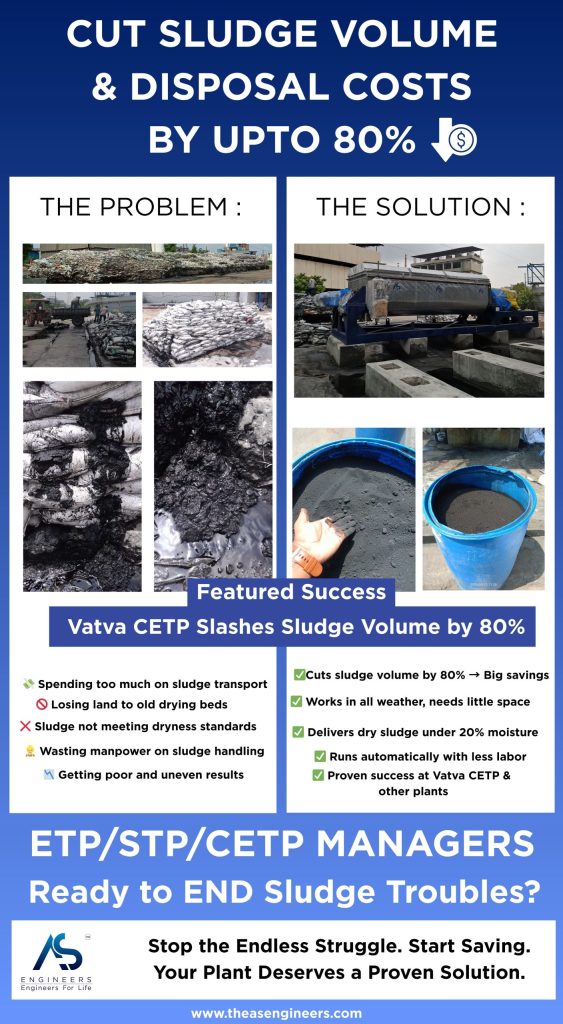
If investing in your own equipment isn’t feasible, another excellent strategy is to partner with specialized sludge management firms. These companies have the expertise, technology, and logistical networks to handle your sludge efficiently and in full compliance with regulations.
These specialized firms can offer a range of services, from on-site dewatering to finding beneficial reuse opportunities for your sludge. They can often achieve economies of scale that a single facility cannot, resulting in lower overall disposal costs for you.
By outsourcing your sludge management, you can focus on your core business while benefiting from expert handling of your waste. This partnership can lead to significant cost savings and peace of mind, knowing that your sludge is being managed responsibly and cost-effectively.
Risk of Long-Term Liability From Landfilling Wet Sludge
The decision to landfill wet sludge is not just a short-term financial calculation; it is a choice that carries a significant risk of long-term liability. The environmental risks associated with this waste disposal method can lead to future financial obligations that dwarf the initial costs. Improper sludge management can expose your company to legal and financial repercussions for decades.
This long-term liability stems from the potential for environmental damage, particularly soil and groundwater contamination. Under many environmental protection laws, the generator of the waste remains responsible for it indefinitely, even after it has been disposed of in a landfill. This “cradle-to-grave” responsibility means you can be held accountable for cleanup costs years or even decades later.
Examples of Environmental Remediation and Cleanup Obligations
Yes, wet sludge landfilling can absolutely create long-term liabilities. History is filled with examples of companies being forced to pay for environmental remediation due to past disposal practices. If a landfill leaks and causes groundwater contamination, regulatory agencies will seek out the parties responsible for the waste to pay for the cleanup.
These cleanup obligations can be staggeringly expensive. The process of pumping and treating contaminated groundwater, excavating polluted soil, and restoring an ecosystem can cost millions of dollars. In the United States, many “Superfund sites” are old landfills where multiple companies are now sharing the massive bill for cleaning up a mess made decades ago.
This is the ultimate long-term cost of improper waste disposal. A company that saved a few thousand dollars on disposal fees 30 years ago could now be facing a multi-million-dollar cleanup bill. This potential for future financial catastrophe is the strongest argument for adopting responsible, sustainable sludge management practices today.
Reputation and Brand Damage Costs
Negative perceptions surrounding waste management practices can significantly impact a company’s reputation. Uninformed decisions regarding sludge disposal methods, like landfilling wet sludge, may tarnish a brand’s image, leading to customer distrust. Companies seen as environmentally irresponsible often face backlash, affecting their market standing and sales. Moreover, the long-term effects include potential litigation costs due to environmental non-compliance. Investing in sustainable wastewater treatment solutions not only enhances brand loyalty but also aligns with environmental protection standards, fostering a circular economy that benefits both society and the business’s bottom line.
Future Costs Driven by Changes in Regulation
Anticipating future costs within the context of sludge management is crucial as environmental regulations evolve. Stricter compliance mandates could lead to increased operational costs, especially for wastewater treatment plants facing fines for non-compliance. Furthermore, investments in advanced technologies, such as anaerobic digestion and sludge dewatering equipment, may be necessary to align with these new standards, impacting overall budgeting. As society moves towards a circular economy, navigating these regulatory landscapes will also ensure better resource recovery and minimized waste disposal costs. Proactive adaptation to changing laws not only fosters environmental protection but also aids in sustaining soil health and reducing greenhouse gas emissions.
Conclusion
Recognizing the hidden costs associated with landfilling wet sludge is crucial for effective wastewater treatment and sustainable solutions. By evaluating sludge management strategies, such as anaerobic digestion or land application, municipalities can uncover significant cost savings and environmental benefits. Taking proactive steps to enhance sludge disposal methods ensures not only compliance with environmental regulations but also promotes better water quality and health outcomes. Embracing efficient sludge treatment and resource recovery practices fosters a circular economy that benefits both the community and the earth, paving the way for a cleaner, more sustainable future.
Frequently Asked Questions
How does dewatering wet sludge help control landfilling expenses?
Dewatering wet sludge reduces its volume and weight, significantly lowering transportation and disposal costs associated with landfilling. By minimizing landfill space usage and potential fees, dewatering can lead to substantial savings while also addressing environmental concerns related to waste management.
What are the environmental consequences of landfilling untreated wet sludge in India?
Landfilling untreated wet sludge in India leads to soil and water contamination, releasing harmful pollutants. It can disrupt local ecosystems and contribute to greenhouse gas emissions, exacerbating climate change. The long-term impacts pose significant risks to public health and biodiversity across affected regions.
Are there affordable alternatives to landfilling wet sludge for small businesses?
Yes, small businesses can explore alternatives to landfilling wet sludge, such as composting, anaerobic digestion, and dewatering technologies. These methods not only reduce disposal costs but also provide potential revenue streams through by-products like biogas and compost. Sustainability is key in these choices.
What are the environmental consequences of landfilling wet sludge?
Landfilling wet sludge leads to soil and groundwater contamination through leachate, which can release harmful pollutants. Additionally, it contributes to greenhouse gas emissions, exacerbating climate change. These environmental repercussions not only harm ecosystems but also increase future remediation costs for affected areas.
How does wet sludge disposal contribute to groundwater contamination?
Wet sludge disposal can release harmful contaminants like heavy metals and pathogens into the soil. Rainwater can leach these toxins, leading to groundwater contamination, which poses significant risks to public health and ecosystems. Proper management is crucial to mitigate these hazards.
Are there alternative methods for disposing of wet sludge that are more environmentally friendly?
Yes, there are several environmentally friendly alternatives for disposing of wet sludge, including anaerobic digestion, composting, and thermal drying. These methods reduce landfill reliance, minimize greenhouse gas emissions, and can even convert waste into valuable resources like biogas or fertilizer.
What regulations govern the landfilling of wet sludge in the United States?
In the United States, regulations governing the landfilling of wet sludge primarily include the Resource Conservation and Recovery Act (RCRA) and various state-level policies. These laws ensure proper disposal methods, protecting public health and the environment from potential contaminants present in sludge.