Managing industrial wastewater and the sludge it produces is a major challenge for many sectors. How can you ensure your operations are both efficient and environmentally responsible? The answer lies in adopting the Best Available Techniques (BAT). This framework helps you select the right methodologies to improve sustainability and manage resources like process water effectively. This guide will explore the BAT choices for sludge drying, showing you how to make informed decisions that benefit your facility and the planet.
Table of contents
Key Highlights
- The Best Available Techniques (BAT) framework guides industries in choosing sustainable wastewater and sludge management solutions.
- Implementing BAT helps achieve integrated pollution prevention and enhances resource efficiency.
- Selecting the right sludge drying technology is crucial for reducing environmental impact and operational costs.
- The paddle dryer is emerging as one of the best available techniques due to its high efficiency and reliability.
- Adopting BAT-compliant systems like paddle dryers promotes long-term sustainability for industrial facilities.
- Regulatory guidelines are pushing industries toward more advanced and cleaner sludge treatment methodologies.
Overview of Best Available Technology (BAT) in Sludge Drying
In the realm of waste management, the importance of selecting the best available technology (BAT) for sludge drying cannot be understated. Among various methodologies, paddle dryer technology shines as a standout solution, optimizing resource efficiency while minimizing water consumption. By enabling effective removal of moisture from wastewater and sludge, this approach supports sustainability efforts and aligns with integrated pollution prevention practices favored by the European Union. Ultimately, the paddle dryer exemplifies a commitment to both environmental harmony and innovative engineering in the ceramic tiles industry.
Regulatory Guidelines and Standards Defining BAT for Sludge Drying
Regulatory frameworks are the backbone of environmental protection, and the European Union’s Industrial Emissions Directive (IED) is a key driver for BAT adoption. This directive, which replaced the earlier Integrated Pollution Prevention and Control (IPPC) Directive, requires member states to issue operating permits based on the best available techniques.
The goal is to achieve integrated pollution prevention, meaning a holistic approach to minimizing emissions to air, water, and soil. To support this, the EU develops BAT Reference Documents (BREFs) for various industrial sectors. These documents describe the most effective techniques, current emission levels, and consumption data.
While these BREFs may not specify one single technology, they provide the criteria for determining BAT in specific cases. This information helps regulatory authorities set permit conditions and guides industries in selecting sludge drying technologies that comply with stringent environmental standards and promote sustainability.
Key Drivers for BAT Adoption in India’s Industrial Wastewater Sector
In India, the push toward adopting BAT in the industrial wastewater sector is gaining momentum, driven by several key factors. Stricter environmental regulations and a growing awareness of water scarcity are compelling industries to look for more sustainable solutions for managing wastewater and sludge.
The primary drivers for this shift include the need to reduce pollution loads on receiving water bodies and the economic benefits of resource recovery. By implementing the sustainability of best available techniques, facilities can significantly lower their environmental footprint and improve their operational efficiency. Effective methods focus on reducing waste at the source and maximizing resource use.
Key drivers for BAT adoption include:
- Increasingly stringent discharge standards for industrial effluents.
- The high cost and limited availability of fresh water, promoting reuse and reduction in water consumption.
- Economic incentives tied to resource efficiency and lower disposal costs.
- Public and regulatory pressure for greater corporate environmental responsibility.
Comparing Sludge Drying Technologies: Efficiency, Cost, and Environmental Impact
When choosing a sludge drying technology, you need to compare different methodologies based on critical factors like efficiency, cost, and overall environmental impact. Each technology offers a unique balance of these elements, and what works for one facility may not be ideal for another. The goal is to find a solution that aligns with BAT principles of pollution prevention and resourcefulness.
Fortunately, there are cost-effective BAT options available, even for small-scale facilities. By carefully evaluating the long-term operational savings against the initial investment, you can identify a system that provides a strong return while meeting regulatory demands. The following sections will explore these comparisons in more detail.
Evaluation of Conventional and Emerging Methods
The world of sludge drying technologies includes both conventional and emerging methodologies. Conventional methods, while once common, often fall short of modern standards for resource efficiency. In contrast, emerging methods are designed to meet the rigorous demands of today’s regulations and sustainability goals, much like the advancements seen in the ceramic tiles industry.
BAT standards can vary across different regions, but the underlying principles of efficiency and environmental protection remain consistent. Choosing an emerging technology often means better performance, a smaller footprint, and lower long-term costs.
Here is a simple comparison of these approaches:
| Feature | Conventional Methods (e.g., open-air beds) | Emerging BAT Methods (e.g., paddle dryers) |
|---|---|---|
| Efficiency | Low thermal efficiency, weather-dependent. | High thermal efficiency, consistent performance. |
| Footprint | Requires large land area. | Compact design, requires minimal space. |
| Environmental Impact | Potential for odor issues and leachate. | Enclosed system, minimizes emissions and odor. |
| Final Product | Low and inconsistent solids content. | High and uniform solids content, easier to handle. |
Environmental and Operational Benefits of BAT-Compliant Systems
Adopting a BAT-compliant system for sludge drying offers significant advantages over older, less efficient technologies. These modern systems are designed from the ground up for sustainability, ensuring you meet environmental targets while improving your bottom line. The core idea behind best available technology is integrated pollution prevention, which leads to cleaner and more efficient operations.
Compared to traditional methods, BAT systems provide superior control over the drying process. This results in a consistent, high-quality final product and minimizes the release of harmful substances into the environment. You can also expect to see a reduction in the consumption of resources like energy and process water.
Key benefits of BAT-compliant systems include:
- A dramatic reduction in final sludge volume, lowering transportation and disposal costs.
- Enhanced safety and a cleaner working environment due to enclosed, automated processes.
- Lower energy consumption per ton of water evaporated, leading to significant cost savings.
- The potential for resource recovery, turning a waste product into a valuable resource.
Paddle Dryer as the Preferred BAT for Sludge Drying
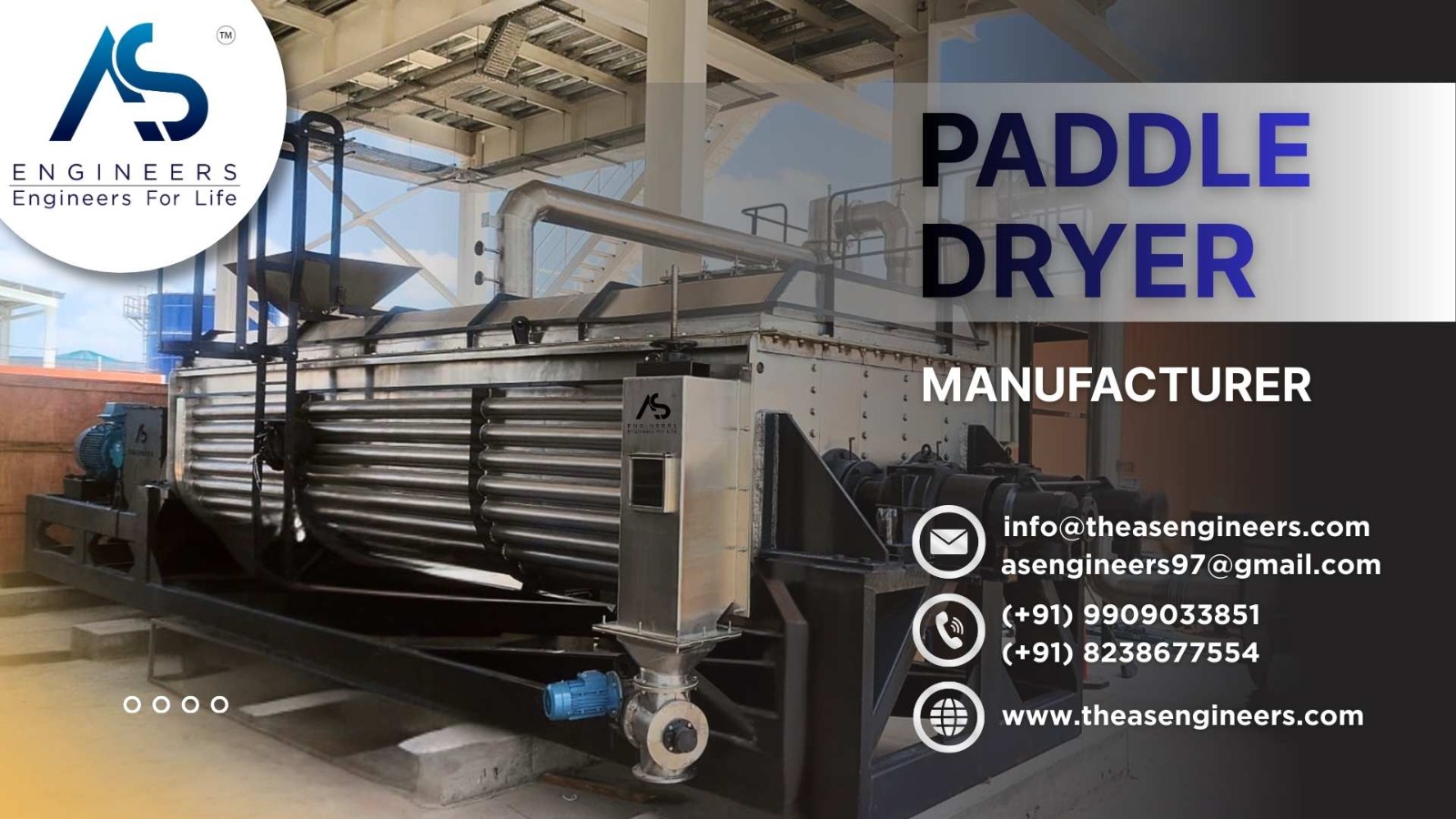
Among the various sludge drying technologies available today, the paddle dryer stands out as a preferred choice and a leading example of the best available technology (BAT). Its innovative design and high efficiency make it an ideal solution for industries looking to optimize their sludge management practices.
Thanks to continuous advancements, modern paddle dryers offer unparalleled performance and reliability. They are engineered to handle a wide variety of sludge types while minimizing energy use and operational oversight, positioning them as a top-tier BAT solution for facilities of all sizes. Let’s explore what makes this technology so effective.
Working Principle and Latest Advancements in Paddle Dryer Technology
Efficient and effective, paddle dryers operate by employing heated blades that mix and lift sludge, significantly reducing moisture content. This methodology is not only resource-efficient but also aligns with the sustainability goals emphasized by the European Union’s directive on integrated pollution prevention. Recent advancements include enhanced thermal efficiency and improved designs, making paddle dryers a leading choice in waste management. With lower water consumption and the ability to produce quality outputs suitable for industries like ceramic tiles, they exemplify best available techniques.
Case Studies and Success Stories from Indian Facilities
Yes, there are numerous case studies demonstrating the successful implementation of BAT sludge drying solutions across various industries. While specific examples from India highlight a growing trend, the principles are universal. Industries like textile manufacturing and ceramic tiles production, which are known for high water consumption, have seen remarkable results by adopting advanced BAT options for waste management.
These success stories show that investing in modern drying technology is not just about compliance; it’s about achieving long-term sustainability and economic benefits. Facilities that implement systems like paddle dryers report significant improvements in their overall operations.
Successful implementations have led to:
- A 90% or greater reduction in sludge volume, drastically cutting disposal and transport costs.
- Recovery of valuable resources from the dried sludge, creating new revenue streams.
- Improved environmental performance by minimizing landfill use and associated emissions.
- Enhanced operational stability and reduced labor requirements due to automated processes.
Practical Considerations for Implementing Paddle Dryer BAT
Implementing a paddle dryer as your BAT solution requires careful planning and consideration of several practical factors. A successful implementation goes beyond just purchasing the equipment; it involves integrating the technology seamlessly into your existing processes to maximize resource efficiency and see a return on your investment.
One of the most important considerations is how the technology will affect your plant’s overall energy consumption. While a high-efficiency paddle dryer reduces the energy needed for drying, it’s crucial to assess your facility’s energy infrastructure and sources to ensure a smooth and cost-effective operation. The following sections will cover these practical aspects in more detail.
Energy Consumption, Cost-Effectiveness, and Small-Scale Facility Options
A key advantage of the paddle dryer is its low energy consumption. Its indirect heating mechanism is highly efficient, meaning more energy is used for drying sludge and less is lost to the environment. This directly translates to lower operational costs and a smaller carbon footprint, enhancing the overall sustainability of your plant.
From a cost-effectiveness perspective, the initial investment in a paddle dryer is often offset by significant long-term savings. The drastic reduction in sludge volume leads to lower disposal fees, which can be a major expense for many facilities. This makes the technology an attractive proposition for achieves both environmental and economic goals.
Many people wonder if these advanced systems are suitable for small-scale operations. The answer is yes.
- Paddle dryers are available in various sizes, making them scalable for different needs.
- Their compact footprint is ideal for facilities with limited space.
- The operational savings on disposal and energy make them cost-effective even for smaller plants.
- Automated controls reduce the need for dedicated operators, further lowering costs.
Operational Challenges and Solutions in Indian Context
Adopting new methodologies, even superior BAT options like paddle dryers, can present some operational challenges, particularly within the diverse Indian context. Understanding these potential hurdles upfront allows you to plan effective solutions and ensure a smooth transition.
One common challenge is the initial capital investment required for high-end technology. Another is ensuring that your team has the right skills to operate and maintain the new equipment. Finally, integrating the dryer into existing wastewater treatment processes requires careful planning to avoid disruptions.
However, these challenges can be overcome with the right approach:
- Challenge: High initial cost. Solution: Conduct a thorough cost-benefit analysis to demonstrate long-term savings and explore financing or incentive programs.
- Challenge: Sludge variability. Solution: Perform detailed sludge characterization to select a dryer configuration optimized for your specific needs.
- Challenge: Skill gap. Solution: Partner with the technology provider for comprehensive operator training and ongoing support.
- Challenge: System integration. Solution: Develop a phased implementation plan with clear goals and timelines.
Frequently Asked Questions
What makes paddle dryer technology the best BAT choice for sludge drying?
The paddle dryer is a leading BAT choice due to its exceptional thermal efficiency, which reduces energy costs and promotes resource efficiency. Its enclosed design minimizes emissions, and its ability to produce a very dry final product cuts disposal costs, making it a top option for long-term sustainability.
How does BAT for sludge drying impact wastewater treatment plant sustainability?
BAT for sludge drying greatly enhances plant sustainability by drastically reducing the final volume of sludge. This lowers transportation emissions and landfill dependency. These BAT options contribute to pollution prevention and support a circular economy by turning wastewater sludge into a potentially reusable product.
Are there financial incentives or subsidies for adopting BAT-compliant sludge drying solutions in India?
Many governments offer financial incentives for industries adopting technologies that improve sustainability and ensure compliance with environmental norms. Companies in India should consult with national and state environmental agencies to explore potential subsidies, tax benefits, or low-interest loans for investing in BAT-compliant wastewater and sludge treatment systems.
What are the most common methods used in sludge drying technology?
Common sludge drying methodologies range from conventional methods like drying beds to mechanical dewatering with centrifuges and filter presses. Advanced thermal techniques, considered best available techniques for their efficiency and pollution prevention, include paddle dryers, drum dryers, and belt dryers, which remove more process water for a drier end product.
How does Best Available Technology (BAT) improve sludge processing efficiency?
Best Available Technology improves sludge processing efficiency by promoting methodologies that maximize resource efficiency. BAT-compliant systems use less energy, require a smaller footprint, and produce a consistently drier sludge. This optimizes the entire process, reducing operational costs and improving the overall environmental performance of the facility.
What factors should be considered when selecting a BAT for sludge drying?
When selecting BAT options for sludge drying, consider factors like sludge characteristics, desired final dryness, energy consumption, and capital and operational costs. The choice of methodologies should align with your plant’s sustainability goals and ensure long-term efficiency, a practice seen in progressive sectors like the ceramic tiles industry.
Are there environmental regulations that impact the choice of sludge drying technology?
Yes, environmental regulations heavily influence technology choices. Directives like the EU’s Industrial Emissions Directive mandate the use of Best Available Technology to ensure integrated pollution prevention. These rules set strict limits on emissions and waste, pushing industries toward high-efficiency solutions that prioritize resource efficiency and environmental protection.
Conclusion
In conclusion, selecting the right technology for sludge drying is crucial for enhancing efficiency and sustainability in wastewater treatment. Paddle dryers emerge as the standout option due to their effective working principle, energy efficiency, and proven success in various case studies across India. By prioritizing environmental impact and operational benefits, paddle dryer technology aligns perfectly with regulatory standards and industry needs. As you contemplate the best available technology for your facility, consider the advantages paddle dryers bring to the table. If you have any questions or need guidance on implementing this technology, feel free to get in touch!