Have you ever considered what happens when the ground beneath our feet becomes polluted? Contaminated soil poses a serious risk to our health and the environment, often resulting from industrial activities or improper waste disposal.
Fortunately, nature offers powerful solutions. The process of soil remediation uses living organisms and other techniques to clean up polluted soil. This guide explores how certain plants and modern technologies can restore the health of our earth, addressing everything from organic pollutants to heavy metals, and aligning with environmental protection agency standards.
Table of contents
- Key Highlights
- Top Soil Cleaning Plants for Natural Soil Cleaning Process
- How the Soil Cleaning Process Works in India
- Types of Contaminants Removed by Soil Cleaning Plants
- Role of Sludge Dryers in the Soil Cleaning Process
- Safety Precautions for Soil Cleaning Projects
- Assessing Success in the Soil Cleaning Process
- Frequently Asked Questions
- Conclusion
Key Highlights
- Discover how certain plants, like sunflowers and Indian mustard, naturally clean contaminated soil through a process called phytoremediation.
- Soil remediation techniques range from using biological processes to advanced methods like soil washing and chemical oxidation.
- These methods are effective at removing various pollutants, including heavy metals, hydrocarbons, and other organic pollutants.
- The soil washing process creates a contaminated sludge, which can be efficiently managed using equipment like a sludge dryer.
- Proper soil cleaning requires strict safety protocols, including personal protective equipment and compliant disposal of hazardous materials.
- Assessing the success of soil remediation involves soil sampling, laboratory analysis, and long-term site monitoring.
Top Soil Cleaning Plants for Natural Soil Cleaning Process
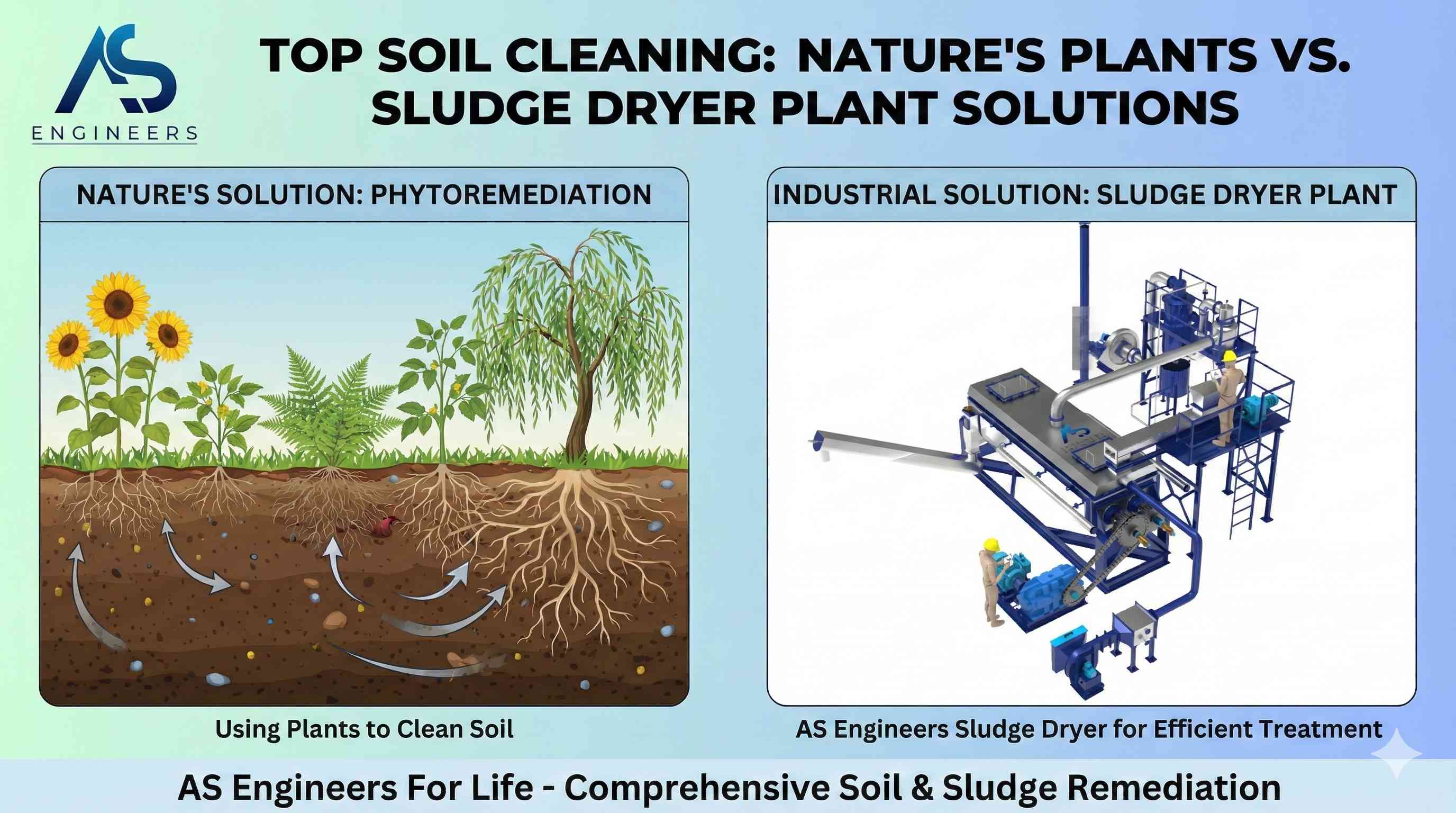
Using plants to clean up the environment, a method known as phytoremediation, is a fascinating and effective approach to dealing with contaminated soil. Certain plant species have a unique ability to absorb, break down, or stabilize pollutants, making them a natural and sustainable part of the remediation process.
These green heroes can tackle some of the toughest contaminants found in polluted soil. From common flowers to sturdy trees, the following list highlights some of the best plants for the job. Let’s look at which plants can help you restore soil health.
1. Sunflower (Helianthus annuus)
Believe it or not, the cheerful sunflower is a powerhouse when it comes to soil cleaning. Its extensive plant roots are highly effective at absorbing heavy metals like lead, arsenic, and cadmium directly from the ground. This process, known as phytoextraction, makes sunflowers a popular choice for tackling soil contamination.
The remediation process with sunflowers involves planting them in a contaminated area and allowing them to grow. As they mature, the plants draw the toxic metals up from the soil and store them in their stems and leaves. This ability makes them a valuable tool in restoring land affected by industrial pollution.
Once the sunflowers have reached maturity, they are harvested and disposed of safely as hazardous waste. The effectiveness of this method can depend on specific environmental conditions, but under the right circumstances, sunflowers provide a beautiful and natural solution to a serious environmental problem.
2. Indian Mustard (Brassica juncea)
Indian Mustard is another remarkable plant used in the fight against contaminated soil. It is particularly skilled at accumulating a wide range of metal contaminants, including lead, chromium, and nickel. This plant is a hyperaccumulator, meaning it can absorb high concentrations of toxins without damaging its own plant growth.
What makes Indian Mustard so versatile is its ability to thrive in various soil conditions. It can handle fluctuations in soil pH and is effective against both heavy metals and certain organic pollutants. This resilience makes it a reliable choice for cleaning up sites with mixed contamination issues.
The remediation process is similar to that of sunflowers. The plant absorbs the contaminants, which are then removed from the site when the plant is harvested. By using Indian Mustard, you can effectively reduce the levels of harmful substances in the soil, paving the way for a healthier environment.
3. Vetiver Grass (Chrysopogon zizanioides)
Vetiver grass is a true champion of soil cleaning due to its incredibly deep and dense root system. This grass can grow roots up to 10 feet deep, creating a thick underground curtain that stabilizes soil and prevents erosion. This makes it perfect for containing contaminants and stopping them from spreading.
Beyond just holding soil in place, Vetiver grass is excellent at absorbing harmful substances. It can take up various organic compounds and heavy metals, effectively trapping them within its biomass. This process of natural attenuation helps to gradually reduce pollution levels in the ground, aligning with goals set by the environmental protection agency.
Using Vetiver grass often requires minimal soil amendments, as it is a hardy and adaptable plant. Its ability to both stabilize and decontaminate soil makes it a dual-action solution for land restoration projects, offering an efficient and eco-friendly way to manage polluted sites.

4. Willow (Salix spp.)
The graceful willow tree is more than just a pretty sight; it’s a hard-working participant in soil remediation. Willows are known for their fast growth and high water uptake, which allows them to absorb significant amounts of contaminants from polluted soil and groundwater. They are particularly effective against certain organic pollutants and toxic metals.
The remediation process with willows, often called phytodegradation, involves the tree breaking down contaminants into less harmful substances. The tree’s root system also promotes the growth of beneficial soil microorganisms, which further assist in degrading pollutants. This symbiotic relationship enhances the overall cleaning effect.
By planting willows in a contaminated area, you can create a natural treatment system that works continuously to purify the soil. Their ability to handle a variety of pollutants makes them a versatile choice for cleaning up everything from industrial sites to agricultural land affected by runoff.
5. Poplar Trees (Populus spp.)
Poplar trees are another fast-growing species that plays a huge role in soil remediation. Their rapid growth and deep roots make them ideal for quickly stabilizing a contaminated site and beginning the cleanup process. Poplars can handle high levels of a variety of pollutants, including solvents and petroleum products.
These trees work by drawing large amounts of water from the ground, a process that also pulls up dissolved contaminants. Once inside the tree, some of these pollutants are broken down into less toxic organic materials, while others are stored in the tree’s tissues. This helps to remove them from the polluted soil.
The extensive root system of poplar trees also helps to bind soil particles together, preventing contaminated dust and sediment from spreading. This makes them an excellent choice for a remediation process that requires both containment and active decontamination, offering a long-term, low-cost solution.
6. Ferns (Pteris vittata – arsenic hyperaccumulator)
When it comes to removing one of the most notorious toxic substances, arsenic, a specific type of fern is a true superstar. Pteris vittata, commonly known as the brake fern, is an arsenic hyperaccumulator. This means it can absorb incredibly high concentrations of arsenic from the soil and store it in its fronds.
This unique ability makes the brake fern an invaluable tool for addressing soil contamination at sites polluted with arsenic from industrial or agricultural sources. The remediation process is straightforward: the ferns are planted, they absorb the arsenic, and then they are harvested and disposed of safely.
While many plants struggle to survive in arsenic-laden soil, Pteris vittata thrives, making it a highly specialized and effective solution. Its capacity to target and remove this specific heavy metal is a perfect example of how nature provides targeted remedies for complex pollution problems, even when other organic pollutants are present.
7. Ryegrass (Lolium perenne)
Ryegrass is a common grass species with an uncommon talent for cleaning soil. Its dense, fibrous root system is excellent for enhancing the activity of soil microorganisms. These microbes work together with the plant to break down a variety of organic compounds, including petroleum hydrocarbons and pesticides.
This process is known as rhizodegradation, where the roots of the plant create a favorable environment for microbes to thrive and feast on pollutants. Ryegrass is also effective at taking up and utilizing nitrogen compounds, which can be pollutants in agricultural runoff.
Because it grows quickly and covers the ground surface thoroughly, ryegrass is also great for preventing erosion and stopping contaminants from washing away. As one of the most versatile plant species for remediation, it provides a simple yet powerful way to restore the health of contaminated land.
8. Hemp (Cannabis sativa)
Hemp is gaining recognition not only for its industrial uses but also for its impressive ability to clean polluted soil. This hardy plant can absorb a variety of contaminants, including heavy metals like cadmium and lead, as well as organic chemicals such as dioxins and PCBs. Its deep taproot can break up compacted soil, improving its structure while it works.
The remediation process with hemp is effective because the plant grows quickly and produces a large amount of biomass. As it grows, it pulls contaminants from the soil and stores them in its stalks and leaves. This makes it an excellent candidate for phytoextraction on a large scale.
Hemp’s effectiveness is not limited by particle size, as its robust root system can penetrate different soil types. After it has absorbed the pollutants, the entire plant is harvested, removing the toxins from the site for good. This makes hemp a promising and sustainable option for land rehabilitation.
9. Ragweed (Ambrosia artemisiifolia)
While often seen as a pesky weed, common ragweed has a hidden talent for cleaning up soil pollution. Its extensive and fibrous plant roots are particularly good at absorbing heavy metals like lead and cadmium from contaminated ground. This makes it a surprisingly useful plant in certain remediation process scenarios.
Ragweed can tolerate poor soil conditions and thrive where other plants might fail, making it a low-maintenance choice for phytoremediation. It can help stabilize soil and prevent the spread of organic pollutants while it gradually accumulates metals from the earth.
Although it’s not a plant you’d want in your garden, its ability to grow without soil amendments and pull toxins from the ground gives it a unique role in environmental cleanup. After it has done its job, the ragweed can be removed, taking the harmful pollutants with it.
10. Silver Birch (Betula pendula)
The elegant Silver Birch tree is another valuable ally in the effort to clean polluted soil. These trees are known for their ability to absorb heavy metals and break down certain organic compounds. Their extensive root systems help to bind loose soil particles, preventing erosion and the further spread of contaminants.
As part of a long-term remediation process, Silver Birch trees can gradually improve the quality of a contaminated site. They are hardy and can grow in a variety of conditions, often without the need for significant soil amendments. This makes them a practical choice for large-scale restoration projects.
By planting Silver Birch, you not only introduce a natural cleanup crew but also help to re-establish a healthy ecosystem. Over time, these trees can transform a barren, polluted area into a thriving woodland, all while quietly removing toxins from the ground.
11. Water Hyacinth (Eichhornia crassipes)
While it’s an aquatic plant, the Water Hyacinth plays a crucial role in cleaning contaminated water, which is often linked to soil remediation. This floating plant has a remarkable ability to absorb heavy metals, organic pollutants, and excess nutrients directly from the water it lives in.
Water Hyacinth grows rapidly, covering the water surface and creating a dense mat of vegetation. Its roots dangle in the water, acting like natural filters that soak up contaminants. This is especially useful in treating runoff from contaminated sites before it can pollute larger bodies of water or seep back into the ground.
Although its rapid growth can be a problem in some ecosystems, this same quality makes it highly efficient at removing pollutants. By harvesting the Water Hyacinth, you can effectively remove the accumulated toxins, mitigating their toxic effects and contributing to the overall success of a soil and water cleanup project.
12. Alfalfa (Medicago sativa)
Alfalfa is a well-known crop in agriculture, but it also has powerful soil-cleaning properties. This perennial legume is excellent at enhancing the activity of soil microorganisms in its root zone. These microbes are key players in breaking down stubborn organic compounds like pesticides and hydrocarbons found in agricultural soils.
The deep root system of alfalfa not only helps to improve soil structure but also creates an ideal environment for this microbial degradation to occur. This makes the remediation process with alfalfa particularly effective for restoring the health of farmland that has been exposed to chemical contamination.
Often used with minimal soil amendments, alfalfa can also help fix nitrogen in the soil, boosting its fertility while it cleans. This dual benefit of decontamination and soil improvement makes alfalfa a fantastic choice for a sustainable and restorative approach to managing polluted agricultural lands.

How the Soil Cleaning Process Works in India
Cleaning contaminated soil in India involves a variety of effective methods tailored to the specific type of pollution and environmental conditions. The remediation process can happen either in-situ (on-site) or ex-situ (where soil is excavated and treated elsewhere). The goal is always to remove or neutralize harmful substances to make the land safe again.
Some of the most effective methods for soil remediation include using plants (phytoremediation), leveraging microbes (bioremediation), and employing physical or chemical treatments. The following sections will explore some of these key techniques used to tackle this environmental challenge.
Bioremediation using native plants
Bioremediation is a natural and sustainable method for the treatment of soil that uses living organisms to break down or remove contaminants. This approach harnesses the power of biological processes, primarily relying on native plants and soil microorganisms to do the cleanup work. It is particularly effective for organic pollutants.
In this remediation process, specific plants are chosen for their ability to either absorb pollutants or stimulate microbial activity in the soil around their roots. These soil microorganisms then feed on the contaminants, converting them into less harmful substances like water and carbon dioxide.
Using native plants in bioremediation is especially beneficial because they are already adapted to the local climate and soil conditions, increasing the chances of success. This green technology offers a cost-effective and environmentally friendly way to restore contaminated soil without introducing new chemicals to the site.
Phytoremediation and phytoextraction techniques
Phytoremediation is the broad term for the use of plants to clean up the environment, and it includes several different techniques. One of the most important of these is phytoextraction, which is specifically designed to remove heavy metals and other inorganic toxic compounds from the soil.
During the phytoextraction process, special plants known as hyperaccumulators are grown on the contaminated site. These plants have a natural ability to draw large amounts of heavy metals, such as lead, cadmium, and arsenic, up through their roots and concentrate them in their leaves, stems, and shoots.
Once the plants have absorbed a significant amount of the pollutants, they are harvested and safely disposed of. This remediation process effectively removes the toxic compounds from the soil, making it a powerful and green solution for cleaning up land contaminated with persistent inorganic pollutants.
Soil washing with specialized equipment
Soil washing is an ex-situ treatment method where excavated contaminated soil is cleaned using a liquid solution. The soil washing process works by separating the most polluted parts of the soil from the cleaner parts. Contaminants tend to bind to fine soil particles like silt and clay, while larger particles like sand and gravel remain relatively clean.
The washing process involves several steps:
- Excavated soil is mixed with a wash solution, which can be water or a solution containing chemical agents to help dissolve the contaminants.
- This mixture is then scrubbed and separated by particle size. The fine soil particles, now carrying high concentrations of contaminants, are separated from the clean, coarse particles.
- The clean soil can be returned to the site, while the contaminated fine material (sludge) is collected for further treatment or disposal.
This technique is highly effective for soils with high concentrations of heavy metals, hydrocarbons, and some pesticides. It physically removes contaminants rather than just transforming them.
Chemical agents for heavy metal removal
Yes, there are chemical agents that can be very effective in helping to clean heavy metals from polluted soil. These agents are used in processes like soil washing or soil flushing to dissolve metals that are tightly bound to soil particles, making them easier to remove.
One common type of chemical agent is a chelating agent, such as EDTA. These chemicals work by latching onto heavy metal ions, forming a stable, water-soluble complex. This allows the toxic chemicals to be washed out of the soil with water. Other agents, like acids or salts such as iron chloride, can also be used to extract metals.
While effective, the use of chemical agents in the remediation process must be carefully managed. The choice of agent depends on the specific heavy metals present and the soil type. It’s also crucial to ensure that the washing solution itself is collected and treated so that the chemicals and removed metals do not cause further environmental harm.
Types of Contaminants Removed by Soil Cleaning Plants
Soil cleaning plants and other bioremediation methods are incredibly versatile, capable of tackling a wide range of hazardous materials. Soil contamination can come from many sources, leading to a mix of pollutants that need to be addressed. These natural processes are particularly good at handling organic contaminants.
Plants and microbes can remove or break down everything from heavy metals to complex organic chemicals. Common contaminants that can be removed include petroleum hydrocarbons, pesticides, solvents, and heavy metals like lead and arsenic. Let’s explore the main categories of pollutants that these green technologies can manage.
Heavy metals (lead, arsenic, cadmium, mercury)
Heavy metals are among the most persistent and dangerous pollutants found in contaminated soil. Elements like lead, arsenic, cadmium, and mercury can have severe toxic effects on human health and ecosystems, even at a low concentration. They do not break down naturally and can accumulate in the food chain.
The remediation process for heavy metals often involves phytoremediation. Certain plants, known as hyperaccumulators, are specifically used to absorb these metals from the soil. They draw the contaminants up through their roots and store them in their biomass.
Once the plants have grown, they are harvested, which effectively removes the heavy metals from the site. This method is a safe and natural way to reduce the concentration of these harmful substances in the soil, preventing their long-term toxic effects and restoring the land to a healthier state.
Hydrocarbons and petroleum contaminants
Soil pollution from total petroleum hydrocarbons (TPH) is a common problem at sites like old gas stations, refineries, and industrial facilities. These organic pollutants can contaminate soil and groundwater, posing risks to the environment and human health. Fortunately, bioremediation is a very effective solution.
The remediation process for hydrocarbons relies on microorganisms, such as bacteria and fungi, that naturally occur in the soil. These microbes use the organic compounds in petroleum as a source of food and energy, breaking them down into harmless products like carbon dioxide and water.
Certain plants can also aid in this process by releasing substances from their roots that stimulate the growth and activity of these hydrocarbon-degrading microbes. This combination of plants and microorganisms offers a powerful, sustainable way to clean up soil pollution caused by petroleum products.
Organic and inorganic pollutants
Soil contamination often involves a mix of different types of pollutants, which can be broadly categorized as organic and inorganic. Understanding the difference is key to choosing the right cleanup method for contaminated soil.
Organic pollutants are carbon-based chemicals, including pesticides, solvents, and petroleum products. Many of these organic compounds can be broken down into less harmful substances by microorganisms or plants. This makes bioremediation an excellent choice for these types of toxic substances.
Inorganic pollutants, on the other hand, include heavy metals like lead and arsenic. These substances cannot be broken down and must be physically removed or stabilized. Phytoextraction, where plants absorb and store the metals, is one of the primary natural methods for dealing with inorganic pollutants, effectively pulling them out of the soil.
Role of Sludge Dryers in the Soil Cleaning Process
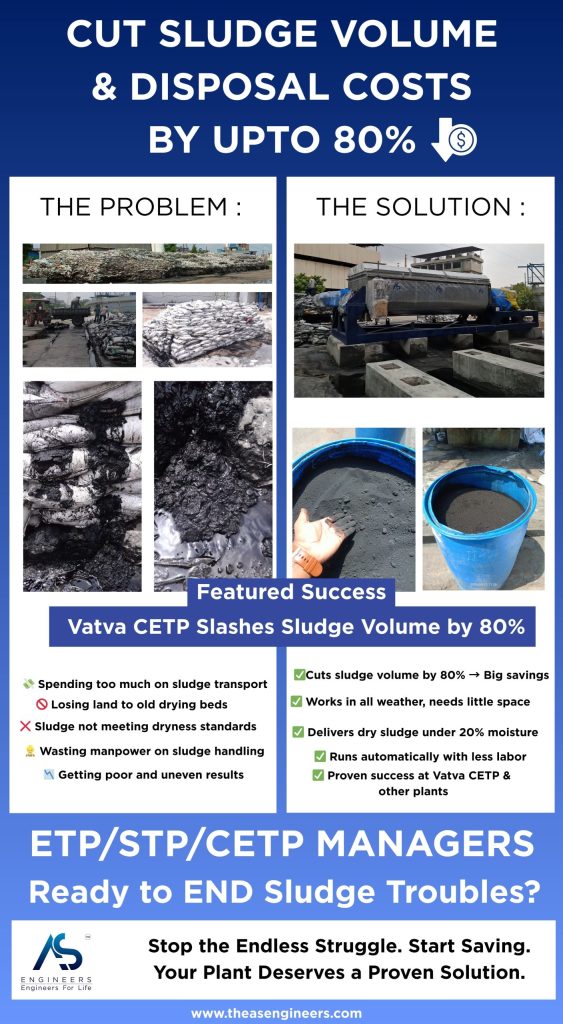
When contaminated soil is cleaned using ex-situ methods like soil washing, the process creates a byproduct: a wet, contaminated sludge. This sludge is a form of organic waste that contains high concentrations of the pollutants removed from the soil. Managing this secondary waste stream is a critical part of the overall soil remediation effort.
This is where a sludge dryer becomes essential. A sludge dryer is a piece of equipment that dewaters this material, significantly reducing its volume and weight. This makes the waste much easier and cheaper to transport and dispose of safely. It’s a key step in ensuring the entire cleanup operation is efficient and contained.
What is a sludge dryer and how does it work?
A sludge dryer is a machine designed to remove water from wet organic waste, such as the sludge generated during soil remediation. The main goal of the process is to turn a liquid-like sludge into a dry, manageable solid. This is crucial for reducing disposal costs and handling requirements for the waste from polluted soil cleanup.
The equipment works by applying heat to the sludge in a controlled environment. As the water evaporates, the volume of the sludge decreases dramatically, leaving behind a concentrated solid material. This dried product is much lighter and easier to handle than the original wet sludge. Soil washing at a contaminated site requires various pieces of equipment, including scrubbers, separators, and, importantly, a sludge dryer to manage the resulting waste.
Different types of sludge dryers exist, but they all follow a similar principle. The table below outlines the basic steps.
| Step | Description |
|---|---|
| 1. Feeding | Wet sludge is fed into the dryer. |
| 2. Heating | The sludge is heated, often by indirect contact with a heated surface. |
| 3. Evaporation | The heat causes the water in the sludge to evaporate. |
| 4. Discharge | The dried solids are discharged from the machine for disposal. |

Benefits of using paddle dryers for soil remediation
A paddle dryer is a specific type of sludge dryer that offers significant advantages for soil remediation projects. This machine uses heated, intermeshing paddles to mix and move the sludge, ensuring even and efficient drying. This design is particularly well-suited for handling the sticky and difficult organic waste generated from ex-situ soil cleaning.
One of the main benefits of a paddle dryer is its high thermal efficiency. The indirect heating method means that very little heat is wasted, making the process more cost-effective and environmentally friendly. It can effectively handle sludge with high concentrations of contaminants, turning it into a small volume of dry, inert material.
Furthermore, the enclosed system of a paddle dryer helps to contain any volatile compounds or unpleasant odors released during the drying process. This improves safety and minimizes the environmental impact of the operation. For any large-scale soil remediation effort, a paddle dryer is a smart investment to manage waste efficiently.
AS Engineers: Leading paddle dryer manufacturer in India
When it comes to managing the sludge from soil remediation, having reliable equipment is non-negotiable. AS Engineers stands out as the leading paddle dryer manufacturer for sludge from soil cleaning plants. With years of experience, they provide robust and efficient solutions for the treatment of soil byproducts, serving clients across India and beyond.
Their paddle dryer systems are engineered for performance, capable of handling the tough conditions found at industrial sites undergoing cleanup. AS Engineers understands the unique challenges of soil remediation and designs their equipment to maximize dewatering efficiency, reduce operational costs, and ensure environmental compliance. Their technology is trusted by companies working on some of the most complex decontamination projects.
Choosing AS Engineers means you are investing in quality and expertise. Their commitment to innovation and customer support makes them the top choice for anyone needing a paddle dryer for their soil remediation operations. They provide the critical technology needed to complete the cleanup cycle effectively and responsibly.
Safety Precautions for Soil Cleaning Projects
Working with contaminated soil requires strict safety precautions to protect human health and the environment. Since these sites contain hazardous materials, there are a number of ways workers can be exposed to toxins, including inhalation, skin contact, or ingestion. Following guidelines from the Environmental Protection Agency (EPA) and other regulatory bodies is essential.
Key safety measures include using proper personal protective equipment (PPE), following safe handling procedures for all materials, and ensuring the compliant disposal of contaminated waste. Additionally, continuous monitoring of the site and workers is necessary to prevent accidental exposure and ensure the project proceeds safely. The following sections will detail these critical safety steps.
Personal protective equipment for workers
Personal protective equipment, or PPE, is the first line of defense for anyone working with contaminated soil. It creates a barrier between the worker and the hazardous materials, protecting human health from exposure to toxins in polluted soil. The specific type of PPE required depends on the contaminants present and the tasks being performed.
All workers on a remediation site should be trained on how to properly use, maintain, and dispose of their PPE. Standard equipment for handling contaminated soil typically includes:
- Respirators: To prevent inhalation of contaminated dust or volatile organic compounds.
- Gloves and Coveralls: Made from chemical-resistant materials to prevent skin contact.
- Safety Goggles and Boots: To protect eyes from splashes and feet from hazardous materials.
Ensuring that every worker is equipped with the right personal protective equipment is a non-negotiable part of any soil cleanup project. This simple step can prevent serious short-term and long-term health problems associated with exposure to hazardous substances.
Safe handling and disposal of contaminated biomass
When phytoremediation is used to clean contaminated soil, the plants themselves become hazardous materials. The biomass—including roots, stems, and leaves—will contain the pollutants they have absorbed from the ground. Therefore, the safe handling and disposal of these organic materials are a critical final step in the remediation process.
After harvesting, the contaminated plants must be treated as hazardous waste. This means they cannot be composted or left on-site. Workers must use proper PPE during harvesting and transport to avoid exposure. The biomass should be placed in sealed, labeled containers to prevent any leakage of toxins.
The final disposal of these materials must comply with all local and national regulations. Depending on the type and concentration of contaminants, the biomass may need to be taken to a specialized hazardous waste landfill or incinerated at a facility designed to handle such waste. Proper disposal ensures the pollutants are permanently removed from the environment.
Monitoring for environmental compliance
Throughout any soil remediation process, continuous monitoring is essential to ensure environmental compliance. This involves regularly checking the air, water, and soil around the cleanup site to make sure that contaminants are not spreading. Regulatory bodies like the Environmental Protection Agency (EPA) have strict standards that must be met.
Monitoring helps to track the progress of the remediation process and confirm that the chosen methods are working effectively. It also provides an early warning if there are any unintended negative impacts on the surrounding environmental conditions, such as contaminated runoff entering nearby waterways.
This ongoing vigilance is a key part of responsible site management. It protects not only the environment but also the health of nearby communities. By documenting compliance through regular monitoring, companies can demonstrate that they are addressing the soil contamination in a safe and effective manner.
Assessing Success in the Soil Cleaning Process
How do you know when a soil cleaning project is truly finished? Assessing the success of a remediation effort goes beyond just finishing the work. It requires a systematic approach to confirm that the contaminant levels have been reduced to safe, acceptable limits and that overall soil health is improving.
This assessment is typically done through a combination of soil sampling, laboratory analysis, and long-term monitoring. By tracking key indicators, you can get a clear picture of whether the site is safe for its intended future use. Let’s look at the methods used to measure success.
Soil sampling and laboratory analysis
The most direct way to measure the success of a remediation process is through soil sampling and laboratory analysis. This involves taking soil samples from various locations and depths across the site both before, during, and after the cleanup work is completed.
These samples are then sent to a certified laboratory for detailed analysis. The lab tests for the specific contaminants of concern, measuring their concentrations to see if they have been reduced to the target cleanup levels. This data provides concrete evidence of the project’s effectiveness.
Comparing the “after” results to the “before” results gives a clear indication of how much progress has been made. This scientific approach is crucial for verifying that the soil health has been restored and that the land is safe for people and the environment.
Tracking improvement in soil health indicators
Beyond just measuring contaminant levels, a truly successful remediation project will also show an improvement in overall soil health. Healthy soil is a living ecosystem, and tracking indicators of its vitality can provide a more complete picture of recovery.
These indicators might include measuring the pH level, nutrient content, and the amount of organic matter in the soil. Another great sign of improvement is the return of healthy plant growth and microbial activity. If plants can thrive without the need for excessive soil amendments, it’s a good sign that the environmental conditions are getting better.
Monitoring these broader soil health indicators helps to ensure that the land is not just clean but also functional and productive. This holistic view of success is important for the long-term sustainability of the restored site.
Long-term monitoring and site management
Even after the initial remediation process is complete, long-term monitoring and site management are often necessary. This is especially true for large or complex sites where there’s a risk of residual soil contamination or “rebound,” where contaminant levels might slowly rise again over time.
Long-term monitoring involves periodic soil and groundwater sampling to ensure that the site remains safe. It’s a crucial part of responsible site management that provides peace of mind for years to come. When choosing a soil cleaning process, it is important to consider long-term environmental impacts, such as how the method affects soil structure, microbial life, and the potential for secondary contamination.
This final phase of the project also allows for adjustments if needed, such as planting additional plant species to continue passive remediation or addressing any new concerns that arise. It ensures that the cleanup is a permanent solution, not just a temporary fix.
Frequently Asked Questions
Which plants are best for cleaning heavy metals from Indian soils?
For cleaning heavy metals from contaminated soil in India, plant species like Indian Mustard (Brassica juncea) and Sunflower (Helianthus annuus) are excellent choices. These plants are known as hyperaccumulators, meaning they can effectively absorb toxins like lead and cadmium as part of a natural remediation process, often without requiring extensive soil amendments.
How does a sludge dryer help in the soil cleaning process?
A sludge dryer is essential in soil remediation for managing the organic waste produced by methods like soil washing. It dewaters the wet, contaminated sludge, drastically reducing its volume and weight. This makes the final treatment of soil byproducts much safer, cheaper, and easier to handle for disposal.
What safety measures should be followed during soil remediation?
To protect human health during soil remediation, workers must use personal protective equipment (PPE) like respirators and gloves. It is also crucial to follow safe handling procedures for all hazardous materials and comply with Environmental Protection Agency guidelines for the disposal of contaminated waste from the remediation process.
Conclusion
In conclusion, soil cleaning plants play a crucial role in restoring contaminated environments and enhancing soil health. By utilizing natural processes and a variety of plant species, these systems effectively remove harmful pollutants, including heavy metals and hydrocarbons. The integration of advanced technologies, such as paddle dryers from AS Engineers, further streamlines the soil remediation process by efficiently managing sludge. Embracing these eco-friendly solutions not only benefits the environment but also promotes sustainable practices in agriculture and land management. If you’re interested in learning more about how our sludge dryers can assist in your soil cleaning projects, get in touch with us today!