Are you looking for smarter ways to handle industrial wastewater? The goal of modern water management is to reduce environmental impact, and that’s where Zero Liquid Discharge (ZLD) comes in. This advanced strategy aims to completely eliminate liquid discharge from industrial facilities. Instead of releasing treated water, a ZLD system recycles it and converts the remaining waste into solids. This approach not only protects our water sources but also opens up new possibilities for resource recovery.
Table of contents
- Key Highlights
- What is ZLD Sludge and Its Role in Waste Management
- Generation and Characteristics of ZLD Sludge in ETP Plants
- Treatment and Disposal Methods for ZLD Sludge
- Environmental Impact and Regulatory Aspects in India
- Innovations in ZLD Sludge Management
- Cost Considerations for ZLD Sludge Handling in Industrial ETP Plants
- Real-World Applications: Indian Industries Adopting Sustainable ZLD Sludge Solutions
- Frequently Asked Questions
- Conclusion
Key Highlights
- Zero liquid discharge (ZLD) systems revolutionize wastewater treatment by eliminating liquid waste.
- ZLD sludge is the solid waste byproduct of this advanced industrial wastewater treatment process.
- Properly managing ZLD sludge is essential for regulatory compliance and environmental safety.
- Advanced technologies in a ZLD system can turn this sludge into valuable resources.
- Innovations are making ZLD sludge management more cost-effective and sustainable.
- This approach is the future of handling solid waste from water treatment.
What is ZLD Sludge and Its Role in Waste Management
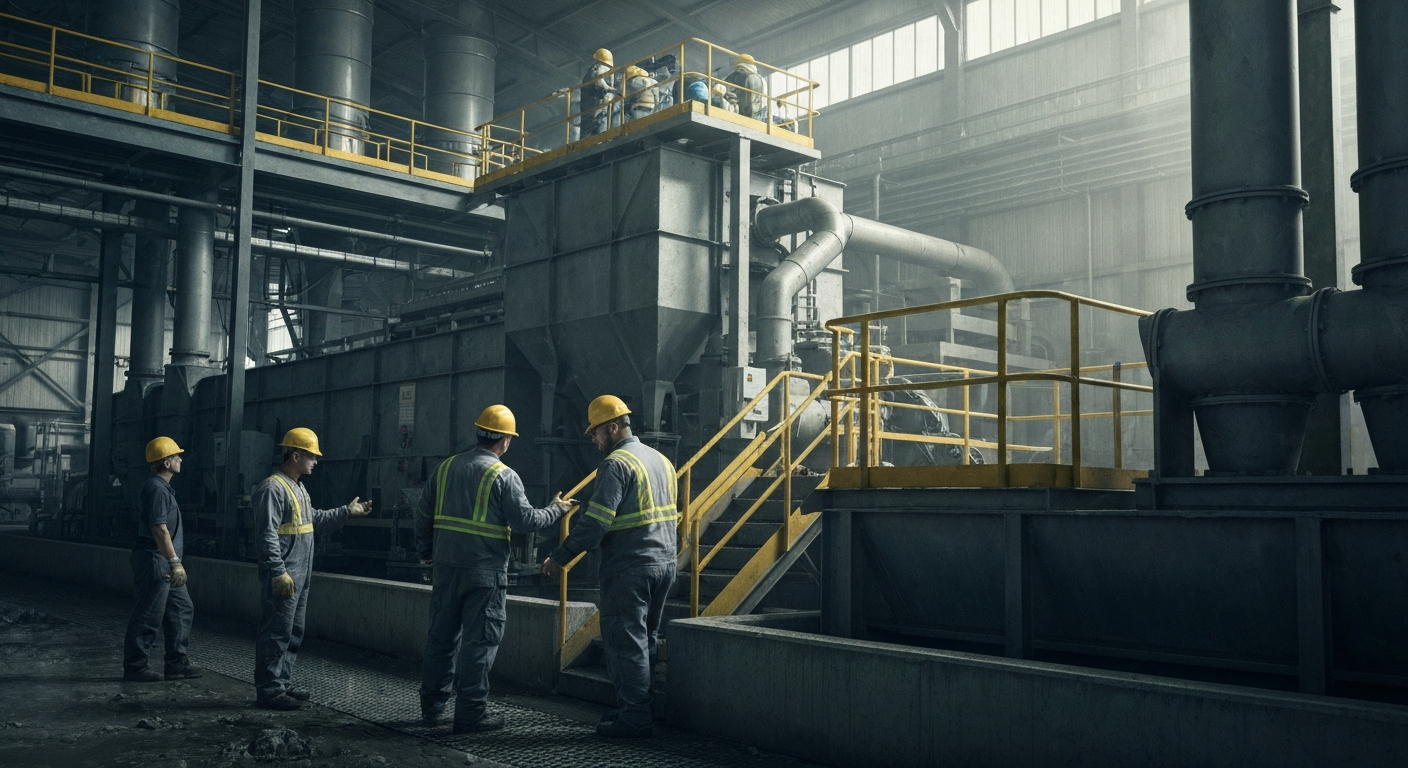
So, what happens to the waste in a zero liquid discharge system? The process creates ZLD sludge, which is the final solid material left after all the water has been recovered. This sludge is a concentrated mix of salts, minerals, and other residues from various industrial processes.
Properly handling this sludge is a crucial part of the waste management cycle. A ZLD system isn’t complete until this solid byproduct is safely managed. This ensures your facility truly achieves zero discharge and meets environmental goals.
Understanding Zero Liquid Discharge Systems
A zero liquid discharge system is much more than a standard water filter. Think of it as a complete loop for your industrial wastewater. The main goal is to recover as much water as possible for water reuse, leaving behind only solid waste. This is a game-changer for industrial wastewater treatment.
The wastewater treatment process starts with pre-treatment to remove large particles. Next, advanced technologies like reverse osmosis and evaporators separate clean water from contaminants. This focus on water recovery helps your facility reduce its reliance on fresh water.
Finally, the remaining concentrated waste is processed to become ZLD sludge. The entire system is designed to close the water cycle within your plant, preventing any liquid from being discharged into the environment and making your operations more sustainable.
How ZLD Sludge Differs from Sludge in Conventional Treatment Plants
You might be wondering if ZLD sludge is the same as the sludge from conventional treatment plants. The answer is no, and the difference is significant. Sludge from conventional treatment methods is mostly water mixed with suspended solids, making it heavy and wet.
In contrast, ZLD sludge is created at the end of the ZLD process after nearly all the water has been evaporated. This means it has a much higher concentration of dissolved solids and very little liquid. It is a dense, often dry, cake-like material.
This key difference is why ZLD sludge requires a unique management approach. Unlike the wet sludge from older systems, which is difficult to handle, ZLD sludge is more compact and easier to transport and dispose of safely.
Generation and Characteristics of ZLD Sludge in ETP Plants
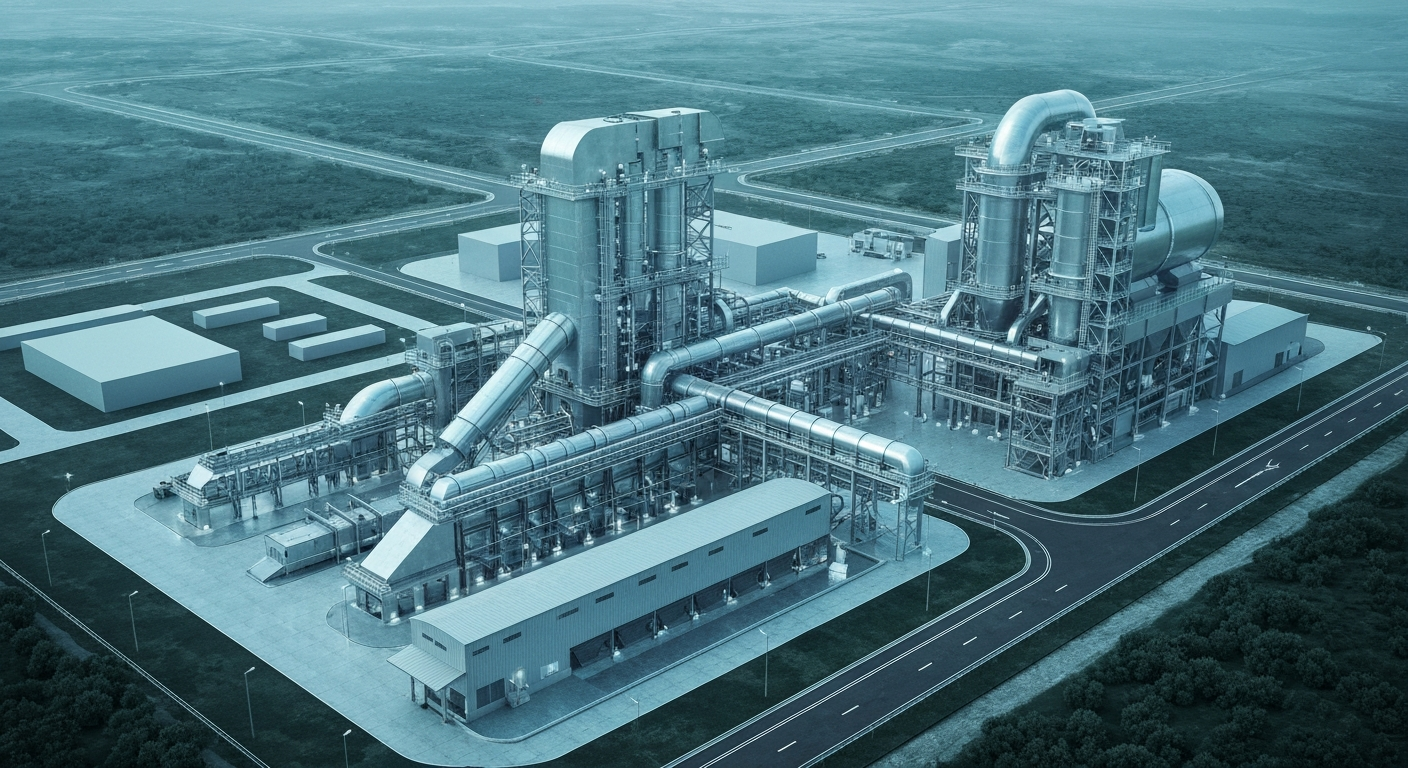
In an Effluent Treatment Plant (ETP) that uses a ZLD system, the creation of ZLD sludge is the final step of the water treatment process. After the industrial wastewater goes through multiple stages of purification, all that’s left is a highly concentrated waste stream.
This stream is then dried to form ZLD sludge. The specific characteristics of this sludge, such as its chemical makeup and density, depend on the original wastewater. These properties are critical because they determine the best methods for its final disposal or potential reuse.
How ZLD ETP Plants Produce and Collect Sludge
The journey from industrial effluent to solid sludge in ZLD plants is a multi-step process. Initially, the wastewater undergoes pre-treatment stages where physical methods remove larger contaminants and suspended solids. This prepares the water for more advanced purification.
After the initial cleanup, the ZLD system uses technologies like reverse osmosis and evaporators to separate pure water from the waste. The remaining highly concentrated liquid is then sent to dewatering equipment. A filter press is often used at this stage to squeeze out as much remaining water as possible.
This mechanical process transforms the slurry into a semi-solid cake. This cake is the ZLD sludge, which is now collected and ready for final treatment, drying, or disposal.
Key Properties of ZLD Sludge Impacting Disposal and Utilization
The properties of ZLD sludge are what make its management so unique. Unlike the effluent before treatment, this solid waste has a very high concentration of dissolved solids. After the treated water is recovered, these solids are all that remain.
The sludge can also contain varying levels of organic matter, salts, and minerals, depending on the industry it came from. For example, sludge from a chemical plant will be very different from that of a food processing facility. These characteristics determine whether the sludge is classified as hazardous or non-hazardous.

Understanding these properties is vital for safe disposal. It ensures that no harmful substances leach into the environment, fulfilling the ultimate goal of a zero liquid discharge system and protecting natural ecosystems.
Treatment and Disposal Methods for ZLD Sludge
Once you have ZLD sludge, what do you do with it? The primary goals are safe disposal and, where possible, reuse. A variety of wastewater treatment technologies are available to manage this final byproduct, ensuring it doesn’t become an environmental problem.
Unlike the liquid effluent that enters the system, this solid waste requires specific handling. After tertiary treatment stages recover all the water, the focus shifts to managing the solids responsibly. Let’s look at some common techniques for treatment and disposal.
Common Techniques for Treating ZLD Sludge
Treating ZLD sludge primarily involves removing any remaining moisture to reduce its volume and weight. This makes it much easier and cheaper to handle. While the initial wastewater may go through biological treatment, sludge treatment is mainly physical.
The evaporation process is central to ZLD, and technologies like mechanical vapor recompression are used to concentrate the waste efficiently. After concentration, several dewatering and drying methods are employed.
Some of the most common techniques include:
- Filter Press: This equipment mechanically squeezes water out of the sludge, creating a dense cake.
- Paddle Dryers: These thermal dryers use indirect heat to evaporate remaining moisture, resulting in a dry, powdery solid.
- Centrifuges: High-speed spinning separates solids from liquids.
- Agitated Thin Film Dryers (ATFD): These are used for highly viscous slurries to produce a dry salt cake.
Safe Disposal and Opportunities for Recycling or Reuse
After treatment, the most straightforward option for ZLD sludge is safe disposal. This typically means sending the dried solids to a certified Treatment, Storage, and Disposal Facility (TSDF). This ensures the waste is contained and doesn’t harm the environment.
However, the future of sludge management lies in recycling and resource recovery. Why throw away waste when it could be valuable? Depending on its composition, ZLD sludge can be a source of useful materials. For example, certain salts can be recovered and reused in industrial processes.
This shift toward a circular economy model turns a disposal problem into an opportunity. Instead of just focusing on water reuse, industries can now explore how to transform their solid waste into byproducts, creating additional value and further reducing their environmental footprint.
Environmental Impact and Regulatory Aspects in India
Managing ZLD sludge correctly is critical to avoiding a negative environmental impact. If not handled properly, the concentrated contaminants in the sludge could pollute soil and nearby water bodies. This is why regulatory compliance is not optional.
In India, environmental regulations are becoming stricter, especially for industrial waste. A liquid discharge system is no longer enough for many industries. Authorities now closely monitor how solids are managed to ensure complete environmental protection. Let’s examine the challenges and rules involved.
Challenges in Managing ZLD Sludge Safely
While ZLD is a big step toward water conservation, managing the resulting sludge presents its own set of challenges. The main goal is to ensure environmental protection, but several hurdles can stand in the way.
The characteristics of industrial wastewater vary widely, so the sludge can contain different levels of hazardous materials. This complexity requires careful analysis before disposal.
Key challenges include:
- High Disposal Costs: Transporting and disposing of sludge at certified facilities can be expensive, especially for large volumes.
- Risk of Contamination: Improper storage or handling can lead to soil and groundwater pollution.
- Energy Consumption: Drying sludge to a safe, disposable state requires energy, which adds to operational costs.
- Finding Suitable Disposal Sites: Not all regions have readily available TSDFs, creating logistical problems.
Indian Standards and Rules for ZLD Sludge Disposal
In India, the management of ZLD sludge falls under strict environmental regulations set by the Central Pollution Control Board (CPCB) and State Pollution Control Boards (SPCBs). These rules are in place to ensure that waste from industrial processes doesn’t harm the environment, even after all the treated water has been recovered.
Regulatory compliance is mandatory, and industries must follow specific guidelines for the handling, storage, and disposal of sludge. Sludge is often classified as hazardous waste, which means it must be sent to an authorized TSDF. Failure to meet these regulatory requirements can lead to heavy fines and even plant shutdowns.

Here’s a simple comparison of handling sludge:
| Sludge State | Handling Requirement | Disposal Outcome |
|---|---|---|
| Wet Sludge | Difficult to transport, high volume, risk of leakage | Often rejected by disposal sites, high disposal costs |
| Dried Sludge | Easy to transport, low volume, stable and inert | Accepted at TSDFs, potential for co-processing in cement kilns |
Innovations in ZLD Sludge Management
The good news is that ZLD solutions are constantly evolving. New and advanced technologies are making sludge management smarter, cheaper, and more sustainable. These innovations are focused on minimizing waste volume and maximizing resource recovery.
By improving water recovery and finding ways to turn waste into wealth, industries can significantly reduce their operational costs. These advancements are transforming ZLD from just a compliance measure into a strategic business advantage. Let’s explore some of these exciting developments.
Advanced Technologies for Sludge Volume Minimization
The first step to making sludge management easier is to produce less of it. Advanced ZLD systems are designed to maximize water recovery, which naturally reduces the final sludge volume. Technologies like high-efficiency reverse osmosis are key to this process.
After RO, the concentrated waste stream, or brine, is further treated. Modern evaporation systems are designed for maximum energy efficiency, which is crucial for keeping costs down.
Here are some technologies that help minimize sludge volume:
- Brine Concentrators: These systems significantly reduce the volume of liquid waste before the final drying stage.
- Mechanical Vapor Recompression (MVR): MVR evaporators reuse vapor to generate more heat, drastically cutting energy consumption compared to older systems.
- Advanced Membrane Systems: New membranes can handle higher concentrations of solids, improving water recovery rates.
Resource Recovery: Turning ZLD Sludge into Useful Byproducts
Perhaps the most exciting innovation in ZLD is resource recovery. Instead of viewing sludge as waste, industries are starting to see it as a valuable raw material. This changes the entire economic equation of wastewater treatment.
Depending on the industry, sludge can contain recoverable materials. For example, in the chemical or food processing sectors, valuable salts can be extracted and purified for reuse. This not only reduces disposal costs but also creates a new revenue stream. This goes beyond just creating reusable water; it completes the circular economy loop.
In other cases, such as in power generation or cement manufacturing, the dried sludge can be used as a supplementary fuel. This practice, known as co-processing, helps reduce the reliance on fossil fuels and provides a sustainable outlet for the solid waste.
Cost Considerations for ZLD Sludge Handling in Industrial ETP Plants
Let’s talk about the bottom line. Implementing a ZLD system and managing its sludge involves both initial investment and ongoing operational costs. For many industrial facilities, these expenses are a major consideration. However, achieving cost efficiency is possible with the right strategy.
The overall cost depends on several factors, from the technology chosen to the final disposal costs. Understanding these variables is the first step toward building an effective and affordable ZLD sludge management plan.
Factors Affecting Treatment and Disposal Expenses
The total cost of managing ZLD sludge isn’t a fixed number. It varies based on the unique circumstances of your facility and its industrial processes. High water usage, for instance, will naturally lead to a larger volume of sludge to manage.
The complexity of the water treatment needed also plays a big role. Wastewater with highly toxic chemicals will require more intensive and expensive treatment than less contaminated streams. Energy efficiency is another huge factor, as thermal drying processes can consume a lot of power.
Here are the primary factors that influence costs:
- Sludge Volume: The more sludge you produce, the higher the handling and disposal costs.
- Sludge Characteristics: Hazardous sludge is more expensive to dispose of than non-hazardous sludge.
- Technology Choice: The capital and operational costs of drying equipment vary.
- Energy Prices: Electricity and steam costs directly impact the expense of thermal drying.
- Transportation and Disposal Costs: The distance to a certified TSDF and their fees are significant expenses.
Strategies to Reduce Costs and Improve Efficiency
While ZLD sludge management has its costs, there are smart strategies to improve cost efficiency and get a better return on your investment. The key is to adopt a mindset of sustainable water management, where every drop of water and every bit of energy is used wisely.
Start by optimizing your processes to promote water conservation. Reducing your overall water consumption will naturally decrease the amount of sludge you generate. Maximizing water recovery with high-efficiency systems also plays a crucial role.
Investing in energy-efficient technologies is another effective strategy. For example, modern paddle dryers and MVR evaporators use significantly less energy than older models. Exploring resource recovery options can also offset costs by turning your waste into a saleable product, making your entire ZLD system more economically viable.
Real-World Applications: Indian Industries Adopting Sustainable ZLD Sludge Solutions
ZLD sludge management isn’t just a theory; it’s being put into practice by forward-thinking industries across India. From textile manufacturing to chemical manufacturing, companies are successfully implementing ZLD solutions to handle their industrial wastewater.
These real-world examples show that an effective wastewater management strategy goes beyond the water treatment process itself. It involves a holistic approach that includes responsible sludge handling, proving that sustainability and profitability can go hand in hand.
Success Stories from Textile, Pharma, and Chemical Sectors
Industries across India are proving that ZLD is achievable and beneficial. The Tiruppur textile hub, for instance, was one of the first to adopt mandatory ZLD, transforming the region’s approach to water management.
These success stories show the versatility of ZLD systems and the importance of customized solutions. By integrating the right technologies, these companies have turned a regulatory burden into a competitive advantage.
Here are a few examples:
- Textile Industry: Dyeing units in Tamil Nadu use ZLD to recover 95% of their water and dry the salty sludge. The dried sludge is then sent to cement plants for co-processing.
- Pharmaceutical Sector: Pharma plants in Andhra Pradesh and Telangana use advanced ZLD systems to ensure no active pharmaceutical ingredients (APIs) are released into the environment.
- Chemical Manufacturing: Facilities in Gujarat use crystallizers to recover valuable salts from their sludge, creating an additional revenue stream.
- Power Plants: Coal-based power plants use ZLD to manage cooling tower blowdown, reducing their freshwater intake.
Lessons Learned for Future Waste Management Projects
The success of these pioneering projects offers valuable lessons for any industry considering a ZLD system. The most important takeaway is that a one-size-fits-all approach doesn’t work. Each facility needs a solution tailored to its specific wastewater characteristics and operational goals.
Another key lesson is the importance of investing in robust and efficient technology. While the upfront cost might be higher, high-quality equipment like the paddle dryers from AS Engineers pays off in the long run through lower maintenance and operational expenses. Focusing on long-term environmental sustainability and water conservation leads to better outcomes than just aiming for basic regulatory compliance.
Ultimately, these projects demonstrate that a well-designed ZLD system is a strategic asset. It ensures compliance, reduces risk, and positions your company as a responsible leader in modern water management.
Frequently Asked Questions
Can ZLD sludge be recycled or reused in industry?
Yes, ZLD sludge can often be recycled. Through resource recovery processes, valuable salts or minerals can be extracted for reuse. In some industries, the dried sludge can be used as an alternative fuel in cement kilns, turning a waste product into an energy source and advancing industrial wastewater treatment.
What are the main methods used to treat ZLD sludge in ETP plants?
In ETP plants, ZLD sludge treatment focuses on dewatering. A filter press is commonly used to mechanically squeeze water from the sludge, reducing the volume of suspended solids. This is often followed by thermal drying through evaporation to create a dry, manageable solid for final disposal.
How is ZLD sludge volume minimized during treatment?
Sludge volume minimization is a core part of the ZLD process. It starts with high-efficiency RO membranes that recover most of the water. Then, technologies like mechanical vapor recompression evaporate the remaining liquid, concentrating the waste into a much smaller, solid form, which is the key to efficient sludge handling.
Conclusion
In conclusion, ZLD sludge represents a transformative approach to waste management that addresses environmental challenges while promoting sustainability. By understanding its characteristics and leveraging advanced treatment and disposal methods, industries can not only comply with regulations but also unlock potential for resource recovery.
The success stories emerging from various sectors in India highlight the practical benefits of adopting ZLD sludge solutions. Embracing these innovations not only contributes to a cleaner environment but also sets the stage for future advancements in waste management. If you’re interested in exploring how ZLD sludge can enhance your operations, get in touch with us today!