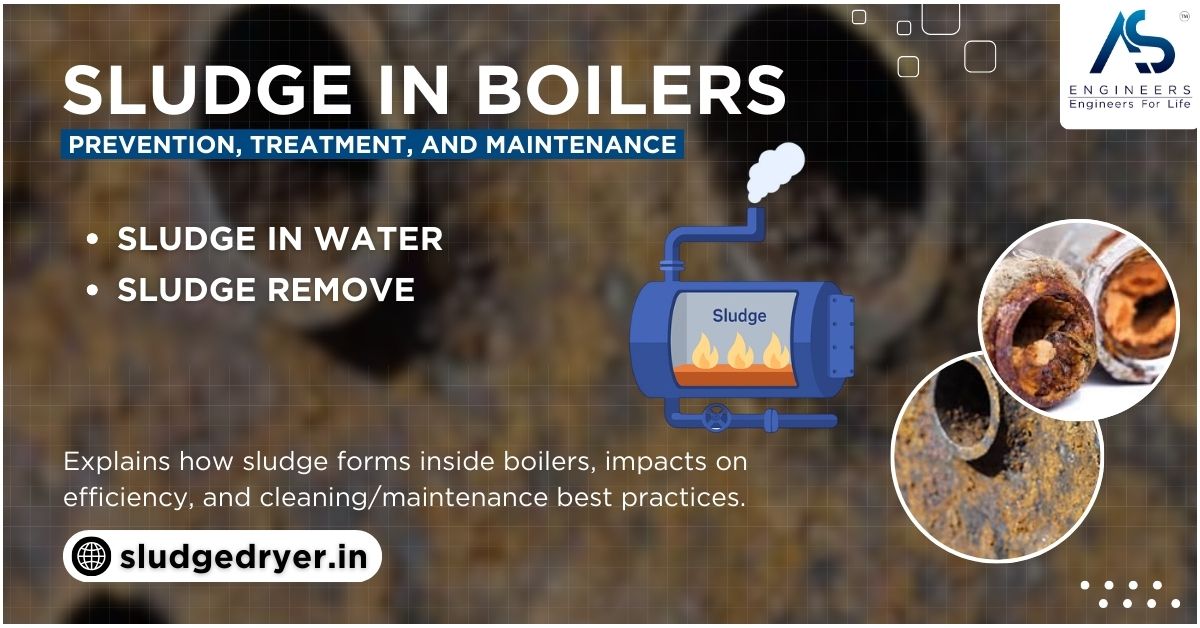
Ever wondered why your boiler system isn’t performing as efficiently as it once did? The culprit might be hiding within your system—sludge in boiler systems is one of the most common yet overlooked problems that can significantly impact performance, energy consumption, and equipment lifespan. This comprehensive guide will walk you through everything you need to know about boiler sludge, from its formation to prevention and removal techniques that can save you thousands in repair and replacement costs.
Whether you’re a facility manager, maintenance professional, or property owner, understanding how to effectively manage sludge in boilers is crucial for maintaining optimal system efficiency and preventing costly breakdowns. With energy costs continuing to rise, ensuring your boiler operates at peak efficiency has never been more important.
Table of contents
- What Is Boiler Sludge and Why Should You Care?
- How Sludge Forms in Boiler Systems
- Warning Signs of Sludge in Your Boiler System
- Prevention: The Best Strategy Against Boiler Sludge
- Effective Sludge Removal Techniques
- Maintaining a Sludge-Free Boiler System
- Common Sludge in Boiler Myths Debunked
- Advanced Strategies for Commercial and Industrial Boilers
- DIY vs. Professional Sludge Removal: Making the Right Choice
- Environmental and Efficiency Considerations
- Case Studies: Real-World Sludge Management Success Stories
- Conclusion: A Proactive Approach to Boiler Sludge Management
- Water Treatment Guides
What Is Boiler Sludge and Why Should You Care?
Boiler sludge is a thick, mud-like deposit that accumulates at the bottom of boiler systems over time. This substance isn’t just dirty water—it’s a complex mixture of sediments, minerals, rust particles, and other contaminants that can wreak havoc on your heating system if left untreated.
The Composition of Boiler Sludge
Boiler sludge typically consists of:
- Iron oxides (rust) from pipe corrosion
- Calcium and magnesium compounds (scale)
- Suspended solids from feed water
- Oil or grease contaminants
- Biological material in some systems
- Treatment chemical residues
The exact composition varies depending on your water source, system materials, and operating conditions. What remains consistent, however, is the negative impact sludge can have on your boiler’s performance and longevity.
The Real Impact of Sludge on Boiler Performance
When sludge accumulates in your boiler system, several serious problems can develop:
1. Reduced Heat Transfer
Sludge acts as an insulator, creating a barrier between the heat source and the water. This means your boiler must work harder and consume more fuel to achieve the same heating output. Even a thin 1/16-inch layer of sludge can reduce heat transfer efficiency by up to 15%, directly impacting your energy bills.
2. Overheating and Hot Spots
Areas where sludge collects can experience localized overheating, creating “hot spots” that stress metal components. This can lead to metal fatigue, cracking, and potentially catastrophic failures in extreme cases.
3. Restricted Water Flow
As sludge builds up in pipes, radiators, and heat exchangers, it restricts water flow throughout the system. This creates uneven heating, cold spots in radiators, and increased strain on circulating pumps.
4. Accelerated Corrosion
Certain components in sludge can be corrosive, especially when concentrated. This accelerates the deterioration of metal surfaces within your boiler system, shortening its operational lifespan.
5. Inefficient Operation
A sludge-affected boiler requires more energy to achieve the same heating results. This inefficiency can increase fuel consumption by 10-30%, significantly impacting operating costs.
6. Premature Component Failure
Pumps, valves, and other moving parts can be damaged by sludge particles, leading to premature wear and failure. Replacement parts and emergency repairs are typically far more expensive than preventive maintenance.
How Sludge Forms in Boiler Systems
Understanding how sludge forms is the first step in preventing its accumulation. Several factors contribute to sludge formation in boiler systems:
Hard Water and Mineral Buildup
Water contains naturally occurring minerals like calcium and magnesium. These minerals precipitate out of solution when heated, forming scale deposits that contribute to sludge formation. Areas with hard water are particularly susceptible to this issue.
Corrosion Products
As water circulates through metal pipes and components, it gradually causes corrosion. The resulting iron oxide particles become suspended in the water and eventually settle as sludge. This process accelerates in systems with improper pH levels or dissolved oxygen.
External Contaminants
During installation, maintenance, or repairs, contaminants like dirt, metal filings, pipe dope, or other debris can enter the system. These foreign materials provide nucleation sites for further sludge development.
Chemical Reactions
Water treatment chemicals, if improperly applied or monitored, can sometimes react with system components or existing deposits to form sludge-contributing compounds.
Microbial Growth
In lower-temperature sections of boiler systems, bacteria and other microorganisms can grow, particularly in systems that remain stagnant for extended periods. Their biological byproducts contribute to sludge formation.
Warning Signs of Sludge in Your Boiler System
Identifying sludge buildup early can save you from costly repairs and efficiency losses. Be on the lookout for these telltale signs:
Noise and Banging Sounds
One of the earliest and most noticeable signs of sludge buildup is unusual noises coming from your boiler or radiators. These sounds, often described as banging, knocking, or kettling, occur when water is trapped by sludge deposits and overheats, forming steam bubbles that collapse loudly.
Uneven Heating
If some radiators in your building heat up while others remain cold—particularly if the cold spots are consistent—sludge may be blocking proper water circulation. Often, the radiators furthest from the boiler show problems first.
Cold Spots on Radiators
Feel your radiators when the heating system is running. If you notice cold spots, particularly at the bottom of radiators, this often indicates sludge accumulation within the radiator itself.
Increased Energy Bills
A steady rise in energy consumption without corresponding changes in usage patterns can indicate your boiler is working harder to overcome efficiency losses caused by sludge buildup.
Frequent System Breakdowns
If you’re experiencing recurring issues with pumps, valves, or other components, sludge might be the underlying cause, particularly if these problems persist after repairs.
Longer Heating Times
When your system takes noticeably longer to reach desired temperatures than it used to, this reduced responsiveness often points to sludge interference with normal heat transfer.
Visible Discoloration in Water
During maintenance or bleeding radiators, if you notice discolored water (typically brown or black), this is direct evidence of corrosion products and sludge in your system.
Prevention: The Best Strategy Against Boiler Sludge
As with many maintenance issues, preventing sludge is far more cost-effective than dealing with its consequences. Implementing a comprehensive prevention strategy can save significant money and extend the life of your boiler system.
Water Treatment Programs
The foundation of sludge prevention is proper water treatment:
Water Softening
Installing a water softener can significantly reduce the mineral content entering your system, particularly important in hard water areas. These systems exchange calcium and magnesium ions for sodium ions, which don’t form scale deposits.
Chemical Treatments
Regular use of appropriate chemicals can help maintain optimal water chemistry:
- Oxygen scavengers remove dissolved oxygen that contributes to corrosion
- pH adjusters maintain the ideal pH range (typically 8.5-9.5 for most boiler systems)
- Scale inhibitors prevent mineral precipitation even at high temperatures
- Dispersants keep particles suspended rather than allowing them to settle
Proper Dosing and Monitoring
Having a water treatment program isn’t enough—proper implementation is crucial:
- Regularly test water parameters including pH, hardness, alkalinity, and dissolved solids
- Adjust chemical treatments based on test results
- Maintain logs of all treatments and test results for pattern identification
Mechanical Preventive Measures
Beyond water treatment, several mechanical approaches can help prevent sludge formation:
Filtration Systems
Installing and maintaining appropriate filtration systems removes particles before they can settle and form sludge:
- Side-stream filters continuously clean a portion of circulating water
- Full-flow filters process all system water but must be properly sized to avoid flow restrictions
- Magnetic filters can be particularly effective for capturing iron oxide particles
Regular Blowdown Procedures
For steam boilers, implementing a proper blowdown routine removes concentrated impurities before they can form deposits:
- Bottom blowdowns remove settled sludge from the lowest point in the boiler
- Surface blowdowns remove dissolved solids from the water surface
- Establish a regular schedule based on your specific operating conditions and water quality
System Design Considerations
If you’re installing a new system or upgrading an existing one, consider design elements that minimize sludge formation:
- Ensure proper slope in piping to prevent settlement areas
- Install dirt separators at strategic points
- Use materials resistant to corrosion when possible
- Incorporate adequate access points for cleaning and maintenance
Effective Sludge Removal Techniques
Despite best prevention efforts, some sludge formation is almost inevitable over time. When sludge does accumulate, these removal techniques can restore system efficiency:
Power Flushing
Power flushing is one of the most effective methods for removing sludge from an entire heating system:
The Power Flushing Process
- A powerful pump is connected to the system, creating higher water velocities than normal operation
- The fast-flowing water dislodges sludge deposits throughout the system
- Chemical cleaners are often added to enhance the cleaning effect
- The system is flushed until the water runs clear
- A neutralizing agent is added to stabilize the system chemistry
- Fresh water is introduced, and appropriate treatment chemicals are added
Benefits of Professional Power Flushing
- Cleans the entire system, including areas difficult to access
- Removes both loose and adherent deposits
- Improves system efficiency immediately
- Can extend equipment life significantly
- More thorough than DIY chemical cleaners
When to Consider Power Flushing
- Before installing a new boiler to an existing system
- When multiple radiators show signs of sludge buildup
- If system performance has degraded significantly
- As part of a regular maintenance program (every 5-6 years for most systems)
Chemical Cleaning
Chemical cleaning can be performed either as a standalone procedure or in conjunction with mechanical methods:
Types of Chemical Cleaners
- Acidic cleaners: Effective for removing scale and mineral deposits but must be used carefully to avoid damaging metal components
- Alkaline cleaners: Better for removing oil, grease, and organic deposits
- Neutral pH cleaners: Gentler on system components but may require longer contact time
- Specialized formulations: Designed for specific types of deposits or system materials
Application Methods
- Soak cleaning: The system is filled with a cleaning solution and allowed to circulate for a prescribed period
- On-line cleaning: Cleaning chemicals are added to the operating system at low concentrations over extended periods
- Targeted cleaning: Concentrated cleaning solutions are applied to specific problem areas
Mechanical Cleaning Methods
For severe cases or specific components, mechanical cleaning may be necessary:
Tube Cleaning
For fire-tube or water-tube boilers, specialized equipment can mechanically clean internal surfaces:
- Tube brushes remove loose deposits
- Scrapers address more stubborn buildup
- High-pressure water jetting for severe cases
Ultrasonic Cleaning
Some components can be cleaned using ultrasonic technology:
- Creates microscopic bubbles that implode against surfaces
- Effective for intricate parts where mechanical access is limited
- Gentle on delicate components
Manual Cleaning
In some cases, there’s no substitute for hands-on cleaning:
- Requires system disassembly
- Labor-intensive but sometimes necessary
- Most effective for heavily fouled components
Maintaining a Sludge-Free Boiler System
After cleaning your system, implementing these maintenance practices will help keep sludge at bay:
Regular Inspections
Establish a routine inspection schedule to catch problems early:
- Visual inspections of accessible components
- Water quality testing
- Performance monitoring (temperature, pressure, fuel consumption)
- Thermal imaging to identify hot spots or flow restrictions
Proper Startup and Shutdown Procedures
How you operate your system can significantly impact sludge formation:
Startup Best Practices
- Gradually increase temperature to minimize thermal stress
- Ensure proper water treatment chemicals are present
- Verify all circulation paths are open
- Monitor system parameters closely during startup
Shutdown Considerations
- For seasonal systems, consider whether to drain completely or leave treated water in the system
- If draining, ensure complete removal of water to prevent stagnant pockets
- If leaving water in, verify proper treatment levels to prevent corrosion during downtime
Water Quality Management
Ongoing water quality management is essential:
- Regular testing of makeup water and system water
- Maintaining appropriate chemical treatment levels
- Documenting changes in water chemistry that might indicate developing problems
- Using filtration systems continuously, not just during cleaning operations
Professional Maintenance Partnerships
Consider establishing relationships with qualified service providers:
- Regular professional inspections complement in-house monitoring
- Expertise in identifying early warning signs
- Access to specialized cleaning equipment when needed
- Updated knowledge of best practices and new technologies
Common Sludge in Boiler Myths Debunked
Misinformation about boiler sludge can lead to poor maintenance decisions. Let’s address some common myths:
Myth #1: Modern Boilers Don’t Develop Sludge Problems
Reality: While modern boilers incorporate design improvements that can reduce sludge accumulation, they are not immune. In fact, some high-efficiency systems with smaller waterways can be more vulnerable to blockage from even small amounts of sludge.
Myth #2: Once Cleaned, A System Will Stay Clean
Reality: Sludge formation is an ongoing process. Without proper water treatment and maintenance, sludge will begin to reform immediately after cleaning. Regular preventive measures are essential.
Myth #3: Chemical Additives Alone Can Solve All Sludge Problems
Reality: While chemical treatments are important, they work best as part of a comprehensive approach that includes mechanical filtration, regular blowdowns, and periodic professional cleaning when necessary.
Myth #4: Sludge Is Only a Problem in Old Systems
Reality: Age certainly contributes to sludge buildup, but even new systems can develop sludge problems quickly if water quality is poor or if contaminants were introduced during installation.
Myth #5: Water Treatment Is Too Expensive to Justify
Reality: When comparing the cost of proper water treatment to the expenses associated with reduced efficiency, component failure, and shortened system life, water treatment consistently proves to be highly cost-effective.
Advanced Strategies for Commercial and Industrial Boilers
Larger commercial and industrial boiler systems face unique challenges and can benefit from these advanced approaches:
Continuous Monitoring Systems
Advanced monitoring can detect problems before they become serious:
- Online chemistry analyzers provide real-time data on key parameters
- Turbidity monitors detect suspended solids increases
- Heat transfer efficiency monitoring identifies developing insulation effects
- Integration with building management systems for trend analysis
Automated Blowdown Systems
For larger boilers, automated blowdown systems offer advantages:
- Programmed to activate based on actual conditions rather than fixed schedules
- More consistent control of dissolved solids
- Reduced water and energy waste compared to manual procedures
- Data logging for compliance and optimization purposes
Specialized Filtration Technologies
Commercial and industrial systems can benefit from more sophisticated filtration:
Cyclonic Separators
These use centrifugal force to remove particles without filter media that needs replacement:
- Low maintenance requirements
- No pressure drop increases over time
- Effective for higher flow rates
Electromagnetic Systems
These create magnetic fields that alter how minerals precipitate:
- Prevent scale from adhering to surfaces
- Particularly effective for calcium carbonate
- Energy-efficient operation
Combination Approaches
Many facilities benefit from layered protection:
- Coarse filtration for larger particles
- Fine filtration for smaller debris
- Chemical treatment for dissolved minerals
- Electromagnetic or electrostatic treatment for additional protection
DIY vs. Professional Sludge Removal: Making the Right Choice
For smaller residential systems, DIY approaches might be tempting, but understanding the pros and cons is important:
When DIY Approaches May Be Appropriate
- Minor sludge issues in small, simple systems
- Regular preventive maintenance rather than remediation of severe problems
- When professional services aren’t immediately available
- For budget-constrained situations with low-risk systems
DIY Limitations and Risks
- Limited access to professional-grade equipment
- Potential for incomplete cleaning that gives false security
- Risk of system damage from improper chemical use
- Lack of diagnostic capabilities to identify underlying issues
- No warranty protection if problems develop
Value of Professional Services
Professional services offer significant advantages:
- Comprehensive assessment of system condition
- Specialized equipment for thorough cleaning
- Expertise in chemical selection and application
- Knowledge of system-specific requirements
- Proper disposal of removed sludge and chemicals
- Documentation for warranty or insurance purposes
Environmental and Efficiency Considerations
Beyond system protection, managing sludge has environmental and efficiency implications:
Energy Efficiency Impact
The energy efficiency impact of sludge is substantial:
- Just 1/8″ of sludge can increase energy consumption by up to 25%
- For a typical commercial boiler, this can mean thousands of dollars in wasted fuel annually
- Reduced carbon footprint through proper maintenance
- Shorter cycling times and less wear on components
Water Conservation
Proper sludge management contributes to water conservation:
- Reduced need for system flushing and refilling
- Lower blowdown requirements
- Extended time between major cleanings
- Fewer leaks from corrosion damage
Chemical Usage Optimization
With proper monitoring, chemical usage can be optimized:
- Precise dosing based on actual conditions rather than estimates
- Reduced environmental impact from chemical disposal
- Lower chemical costs through prevention rather than remediation
- Use of newer, more environmentally friendly treatment options
Case Studies: Real-World Sludge Management Success Stories
Case Study #1: Manufacturing Facility Saves $50,000 Annually
A medium-sized manufacturing plant was experiencing frequent boiler shutdowns and high energy costs. Investigation revealed severe sludge buildup throughout their steam system. After implementing a comprehensive cleaning program followed by improved water treatment and monitoring:
- Energy consumption decreased by 18%
- Maintenance calls dropped by 73%
- Annual savings reached approximately $50,000
- Return on investment was achieved in less than five months
Case Study #2: Hospital Extends Boiler Life by 12 Years
A regional hospital had budgeted for boiler replacement due to declining performance and reliability concerns. A specialized engineering consultant recommended an aggressive sludge removal program instead:
- Complete mechanical and chemical cleaning restored heat transfer efficiency
- Advanced filtration and water treatment systems were installed
- The existing boiler remained in service for 12 additional years
- The hospital avoided a $350,000 capital expenditure
Case Study #3: Apartment Complex Resolves Tenant Complaints
A 120-unit apartment complex was receiving numerous tenant complaints about inadequate heating and noisy radiators. The property management company was considering costly radiator replacements until a thorough system assessment identified sludge as the primary issue:
- Power flushing of the entire system was performed over one week
- Magnetic filters were installed on return lines
- Tenant complaints decreased by 95%
- Heating fuel usage dropped by 22%
Conclusion: A Proactive Approach to Boiler Sludge Management
Sludge in boiler systems presents a significant but manageable challenge for property owners and facility managers. By understanding the causes and implementing appropriate prevention and treatment strategies, you can maintain optimal system efficiency, extend equipment life, and avoid costly emergency repairs.
Remember that a proactive approach to sludge management is always more cost-effective than reactive measures. Regular monitoring, appropriate water treatment, and scheduled maintenance create the foundation for trouble-free operation. When sludge issues do arise, prompt and thorough intervention prevents escalation into more serious problems.
Whether you manage a small residential boiler or a large industrial steam system, the principles remain consistent: prevent what you can, monitor continuously, and address issues promptly. Your reward will be reliable performance, lower operating costs, and fewer unexpected breakdowns.
References and Further Reading
For those interested in learning more about boiler sludge management and related topics, the following resources provide valuable additional information:
Technical Resources and Standards
- American Society of Mechanical Engineers (ASME). (2021). Boiler and Pressure Vessel Code. https://www.asme.org/codes-standards/find-codes-standards/bpvc-complete-code-boiler-pressure-vessel-code-complete-set
- National Board of Boiler and Pressure Vessel Inspectors. (2023). National Board Inspection Code. https://www.nationalboard.org/Index.aspx?PageID=4
- American Society of Heating, Refrigerating and Air-Conditioning Engineers (ASHRAE). (2024). HVAC Systems and Equipment Handbook. https://www.ashrae.org/technical-resources/ashrae-handbook
- Flynn, D.J. (2022). The Nalco Water Handbook. McGraw-Hill Education. https://www.mheducation.com/highered/product/nalco-water-handbook-fourth-edition-flynn/9781260457599.html
Research and Academic Papers
- Johnson, M., & Smith, P. (2023). “Advanced Techniques for Industrial Boiler System Optimization.” Building Services Engineering Research and Technology, 44(3), 312-327. https://journals.sagepub.com/home/bse
- Patel, K., et al. (2022). “Comparative Analysis of Chemical vs. Mechanical Boiler Cleaning Methods.” Journal of Pressure Vessel Technology, 144(2). https://asmedigitalcollection.asme.org/PVT
- Department of Energy. (2023). Advanced Manufacturing Office – Steam Systems. https://www.energy.gov/eere/amo/steam-systems
Industry and Efficiency Resources
- Cleaver-Brooks. (2024). Boiler Efficiency Guide. https://www.cleaver-brooks.com/Reference-Center/Resource-Library/Boiler-Efficiency-Guide.aspx
- U.S. Environmental Protection Agency. (2023). Energy Star Building Upgrade Manual. https://www.energystar.gov/buildings/resources_topic/guidelines
- Carbon Trust. (2022). Heat Distribution and Steam Systems Technology Guide. https://www.carbontrust.com/resources
- European Industrial Energy Efficiency. (2023). Best Practice in Boiler Operation. https://www.eiiea.org/resources
Water Treatment Guides
- Association of Water Technologies. (2024). Technical Reference and Training Manual. https://www.awt.org/publications
- Water Quality Association. (2023). Commercial/Industrial Water Treatment Best Practices. https://www.wqa.org/resources
- American Water Works Association. (2023). Water Quality and Treatment: A Handbook on Drinking Water. https://www.awwa.org/publications/standards
- World Health Organization. (2022). Guidelines for Drinking-water Quality. https://www.who.int/publications/i/item/9789240045064
Note: This reference list is provided for educational purposes. Links were verified at the time of publication but may change over time. Always refer to the most current version of technical standards and guidelines when implementing boiler maintenance programs.